
The South Pacific offers a rare mix of wild coasts, coral gardens, friendly villages, and big-sky freedom. From Australia’s broad bays to New Zealand’s tucked-away coves and the fragrant islands of Fiji and Tahiti, this is South Pacific sailing at its most inviting.
The South Pacific has always felt like a place where the ocean sets the rhythm. Australia stretches out with sun-soaked shores and harbour cities that hum with life. New Zealand, with its carved coastlines and Maori heritage, folds culture and nature together in a way that rewards slow sailing and unhurried curiosity.
Fiji brings warm welcomes, reef-edged lagoons, and a pace so relaxed you feel it in your shoulders by day two. Tahiti, lush and volcanic, layers French-Polynesian flavours with deep anchorages ringed by bright coral and that soft Pacific light you never quite forget.
What ties these four places together is how well they suit every sort of sailor. You can potter between short hops or stretch your legs on a proper coastal run. Food ranges from Aussie market seafood to Fijian kokoda and Tahitian poisson cru, fresh enough to ruin you for supermarket fare. Once, while hunting for a spare shackle in a tiny marina shop in Fiji, I got distracted by the owner insisting I try his grandmother’s cassava cake—proof that the region’s best surprises often arrive when you’re meant to be doing something practical. Nothing’s perfect, of course; a sudden squall can sweep through quicker than you’d like. But that mix of beauty and unpredictability is part of the South Pacific’s charm.
The South Pacific isn’t a destination so much as a spell—one that hooks you the moment warm trade winds brush your face.
Across the region, every stop pulls you ashore with something irresistible—culture, colour, stories, or simple beauty that catches you off guard in the nicest way.
The most settled conditions generally fall between May and October, when the trade winds steady and humidity lowers. Australia’s east coast remains workable year-round with caution for summer storms. New Zealand is best from December to April. Fiji and Tahiti shine during the dry months, giving you warm, predictable breezes.
Beginners can handle the Whitsundays, Fiji’s western islands, and Tahiti’s sheltered lagoons with light coaching or a skipper. New Zealand’s coastal waters suit confident sailors who can manage changeable weather. If in doubt, a qualification helps—KiwiSailor’s certification guide gives clear steps for building skills before exploring the South Pacific under your own canvas.
Expect steady trade winds around 10–20 knots in Fiji and Tahiti, moderate swell offshore, and calm lagoon waters. Australia offers gentle seas inside the Great Barrier Reef. New Zealand brings variable winds that ask for attention to forecasts. Navigation ranges from simple line-of-sight island hops to plotted routes through reef passes. You’ll find marinas, town quays, mooring buoys, and plenty of anchoring spots.
Choose from bareboat yachts for independent cruising, skippered options for relaxed holidays, or flotilla groups for social sailing. Cabin charters suit solo travellers or couples who want comfort and local knowledge without managing the vessel themselves.
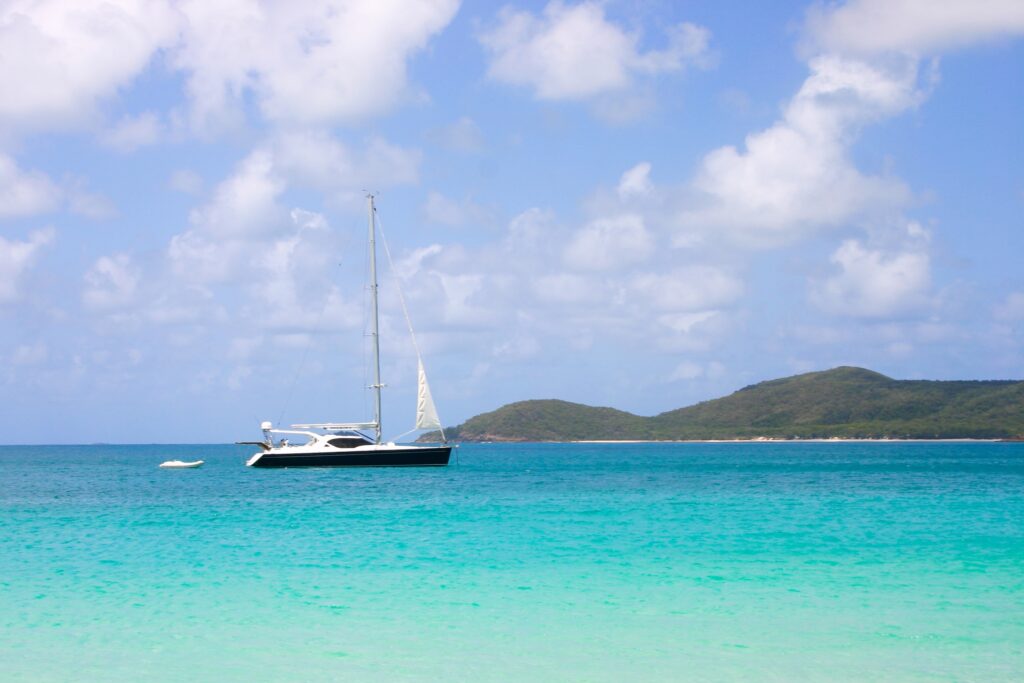
Australia sailing offers a mix of warm coral anchorages, calm bays, and lively city harbours—all within one vast, welcoming coastline. From the Whitsundays’ turquoise hush to Sydney’s bold skyline, each region brings its own rhythm, flavour, and adventure for sailors seeking variety, simplicity, and pure ocean freedom.
Australia sailing stretches across multiple climates, cultures and time zones, giving newcomers and seasoned sailors a coastline that feels like several countries in one. You’ll find tropical islands in Queensland, temperate bays in Victoria, wild edges in Tasmania, and lively urban waterways in New South Wales. The land’s deep Indigenous history, maritime heritage, and modern multicultural character mingle in every port—from the museums of Hobart to the beach cafés of Fremantle.
Cuisine follows the coastline: reef fish, bright citrus, cold-water oysters, and coffee that could make a sailor stay longer than planned. Architecture shifts too—Queenslander houses catching sea breezes in the north, sandstone terraces around Sydney Harbour, and old port warehouses repurposed into galleries and breweries down south.
From a sailing perspective, Australia’s appeal lies in its variety. A beginner can enjoy sheltered, line-of-sight sailing in the Whitsundays, while more confident crews can test themselves in the friskier winds of Bass Strait or the afternoon sea breeze that wakes up Fremantle. The country rewards preparation but rarely punishes curiosity.
Once, in Hinchinbrook Channel, I dropped anchor a touch early and spent the dusk watching a pair of snubfin dolphins cruising the mangroves—a gentle reminder that imperfect timing sometimes leads to the best memories. And that’s Australia sailing in a nutshell: big-hearted, diverse, and always ready to surprise you if you slow down long enough to notice.
The Whitsundays deliver sheltered island sailing and steady southeast trades. Moreton Bay offers shallow cruising with wildlife-rich shores. Sydney Harbour mixes iconic scenery with well-marked channels. Hinchinbrook rewards quiet exploration among towering cliffs. Port Phillip Bay gives wide, open-water sailing, while Hobart and Fremantle challenge sailors with crisp winds and character-filled harbours.
Australia sailing is matched by shore adventures that span natural wonders, deep heritage, hidden beaches, and wildlife encounters that feel almost private.
Cruising around Hinchinbrook Island, the attractions are wilder than down south: mangrove-lined channels, rugged peaks in the Misty Mountains, and crocodile-friendly estuaries best admired from a respectful distance. Zoe Bay’s waterfall walk rewards you with cool freshwater pools, dragonflies, and views back towards the shimmering Coral Sea.
In the Whitsundays, beyond famous Whitehaven Beach, seek out the lesser-known walk to Hill Inlet’s western lookouts, where the sand patterns twist into shapes most travellers never see. On Haslewood Island, Chalkie’s Beach gives you Whitehaven’s beauty without the crowds, and the coral gardens off Border Island often deliver surprisingly gentle snorkelling with electric-blue damselfish.
Move south to Moreton Bay, where Peel Island’s Horseshoe Bay hides rust-coloured cliffs, calm swimming water, and the remains of an old quarantine station—architectural ghosts tucked behind shady paths. St Helena Island, only a short sail away, offers an eerie blend of prison ruins, migrating shorebirds, and quiet grassland trails. Many sailors overlook it entirely, making sunset there feel like a secret reserved for those who wander slowly.
Sydney Harbour isn’t just a postcard. Beyond the Opera House, you can anchor near Store Beach and watch little penguins slip through the water at dusk. The Manly to North Head walk reveals sandstone ledges carved by wind and sea, while Shark Island blends picnic lawns with 360-degree city views. Fort Denison adds layers of colonial history, and the surrounding waters often shimmer with small schools of baitfish chased by tailor.
In Port Phillip Bay, wander through Queenscliff’s heritage streets and maritime museum, then explore Point Nepean’s old fortifications and sweeping beaches. Seals frequent Chinaman’s Hat, while cheeky dolphins often escort boats near Sorrento.
Down in Hobart, Battery Point’s timber cottages and Salamanca’s sandstone warehouses lead smoothly to waterfront markets full of local produce. A day trip to Bruny Island brings wild surf beaches, creamy oysters, and forest walks scented with eucalyptus.
Finally, Fremantle blends history and edge: Victorian architecture, street art, microbreweries, and the evocative Round House. Rottnest Island, just offshore, offers hidden coves, quokkas nibbling under trees, and snorkel spots where the reef reveals bright pockets of life.
These scattered gems—beaches, ruins, villages, wildlife, and unexpected quiet corners—are what make Australia sailing feel endlessly fresh, even for those who’ve circled the coast more times than they’d admit.
Thanks to Australia’s vast span of latitudes, there’s always a region in season. Tropical waters around the Whitsundays and Hinchinbrook stay warm year-round, with calm, predictable winter breezes. Southern regions such as Sydney, Port Phillip Bay, Hobart, and Fremantle shine in late summer when sea breezes stabilise and daylight stretches long enough for unhurried passages.
Beginners thrive in the Whitsundays with their forgiving conditions and clear, sheltered routes. Moreton Bay suits new sailors who are comfortable with tidal shifts. Sydney Harbour and Port Phillip Bay call for confident helms due to traffic and variable breezes. Hobart and Fremantle reward experienced sailors who enjoy stronger winds and thoughtful passage planning.
Queensland regions deliver steady southeast trades, warm waters, and mostly line-of-sight navigation. Moreton Bay introduces shallows, sandbanks, and tide timing. Sydney offers reliable nor’easters and well-marked channels. Down south, expect stronger breezes, cooler seas, and more detailed navigation. Moorings span marinas, public moorings, sandy anchorages, town quays, and remote bays depending on the region
Australia provides a broad charter mix: bareboat fleets in the Whitsundays, skippered yachts across major cities, flotilla options for social sailors, and cabin charters perfect for solo travellers. Premium operators in Sydney, Hobart, and Fremantle offer tailored itineraries, while Queensland remains the hub for relaxed, easygoing cruising holidays.
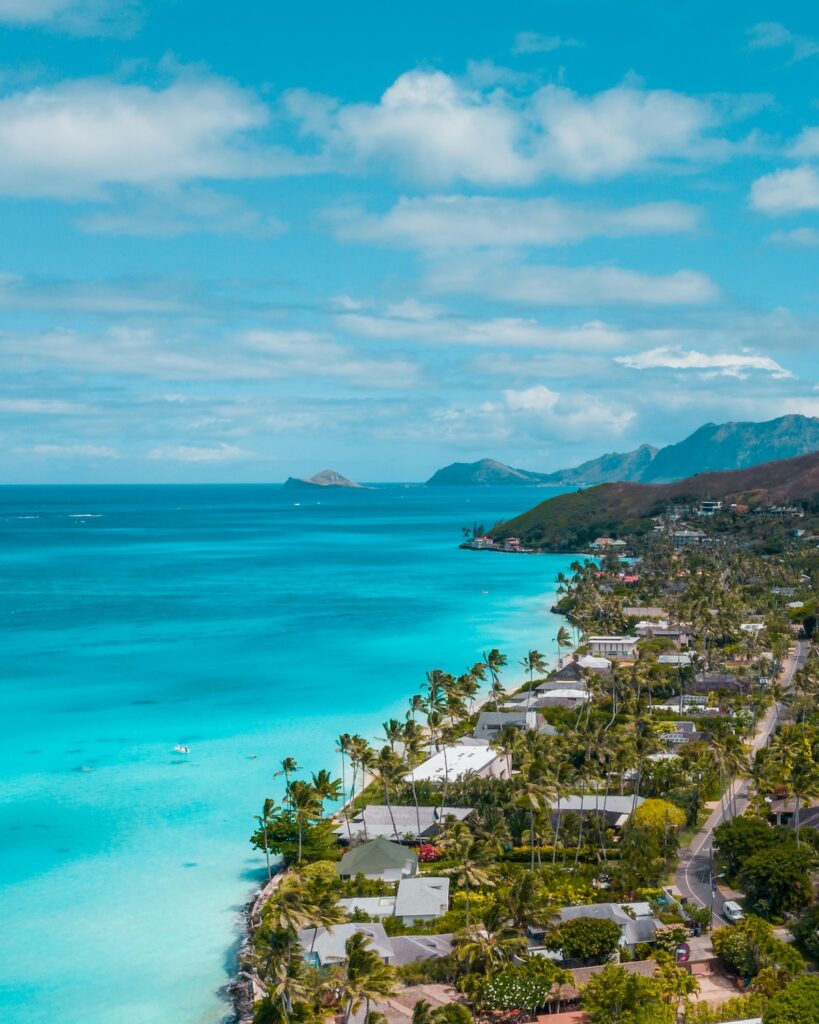
Fiji Sailing opens a world of lagoon-blue anchorages, village warmth, coral gardens, and easy island-hopping. From the Mamanuca shallows to the quieter Yasawa bays, this is a place where the sea feels friendly, the food tastes fresh, and every sundown invites you to drop the day’s concerns overboard.
Fiji is one of those rare places where the sea feels like part of the national identity. More than 300 islands sit scattered across the South Pacific, each framed by reef, rainforest, and a trademark Fijian grin. The geography itself seems built for Sailing: broad channels, protective lagoons, and steady tradewinds that keep you moving without making your shoulders tense. The cultural heart is just as inviting. Villages are welcoming, ceremonies are shared with sincerity, and the cuisine leans toward fresh fish, taro, coconut, and simple, hearty flavours that pair neatly with a day spent on the water.
For newcomers, the first glimpse of a reef pass can feel daunting, but Fiji rewards the prepared and the curious. The architecture of the land—volcanic backbones, long sandbars, and limestone cliffs—creates one postcard moment after another, yet it’s the sailing rhythm that sticks with you. Hop, anchor, swim, repeat. Between the Mamanucas and Yasawas, the sailing is accessible, with enough challenge to keep things interesting. Further out, remote groups like the Lau Islands add a sense of timelessness.
I remember one light-wind afternoon near Navadra when a curious sea turtle surfaced beside the cockpit, startling me so much I spilled my drink. Not graceful, but memorable. Fiji’s like that—beautiful, slightly unpredictable, and always generous. For travellers seeking warm seas, real culture, and the steady pleasure of island-to-island cruising, Fiji Sailing strikes the perfect balance.
The Mamanuca Islands offer easy line-of-sight hops, sandy anchorages, and calm lagoons—ideal for relaxed cruising. The Yasawa chain steps things up with longer passages, dramatic ridges, and quieter beaches. For sailors wanting authentic village life and pristine reef, the Lau Group delivers unspoiled beauty. Each area rewards exploration, curiosity, and unhurried pacing across Fiji’s blue canvas.
Fiji isn’t short on attractions, but the best ones usually sit a little off the beaten track—easy enough to reach by yacht, yet still carrying that sense of finding something special before the crowds. In the Mamanucas, the draw is the mix of shallow reefs and tiny sand cays. Snorkelers can drift over gardens of branching coral where butterflyfish flit through sunlight like dropped confetti. The beaches here are classic South Pacific: white, soft, and set against water that shifts from pale jade to deep sapphire.
Sail northwest into the Yasawas, and you’ll find far more rugged charm. The limestone cliffs near Sawa-i-Lau rise steeply from the sea, sheltering a set of mystical caves. Swimming inside feels like slipping into a natural cathedral—echoes, shadows, and all. A short walk inland takes you to villages where woven mats dry in the sun, kids kick a rugby ball around, and the welcome feels genuine rather than staged.
Further north sits Blue Lagoon, a broad anchorage with that famous luminous water. It’s a great spot for paddleboarding at sunrise when the bay is calm enough to reflect the hills like a mirror. A longer wander by dinghy brings you to pocket beaches that stay empty until someone else’s curiosity matches your own.
If time and weather allow, the Lau Islands offer some of Fiji’s most untouched landscapes. Vanua Balavu’s Bay of Islands is a maze of limestone islets—each clothed in greenery and dotted with caves—that feels purpose-built for kayaks and slow dinghy explorations. These islands aren’t touristy, and that’s part of the charm. Life runs on village pace: unhurried, communal, and deeply connected to the sea.
Wildlife lovers can keep an eye out for spinner dolphins, reef sharks, and even manta rays. In season, certain Yasawa passes host manta cleaning stations where a respectful drift offers a remarkable view of these gentle giants. Birdlife is lively too, with white-tailed tropicbirds looping overhead and herons stalking the shallows.
And then there’s the food—simple favourites like kokoda (lime-cured fish in coconut cream) and lovo feasts cooked in the ground. After a day of sailing, these meals taste like pure comfort. Fiji may be known for beaches, but it’s the blend of culture, nature, and warm, easy smiles that make each anchorage feel like its own small adventure.
While Fiji is sail-friendly year-round, the most favourable months run from May to October. During this period the southeast tradewinds are steady but manageable, humidity drops, and visibility in the water improves. Cyclone risk is minimal in these months, making passages, reef navigation, and general cruising far more predictable and enjoyable for most crews.
For the Mamanucas, beginners or those with minimal certification can enjoy relaxed, sheltered island-hopping. The Yasawas suit confident sailors comfortable with longer legs and reading reef systems. The Lau Group demands solid coastal-navigation skills and good passage planning. No matter the route, sound judgement, patience, and respect for local customs make every journey smoother.
Expect consistent southeast tradewinds, typically 12–18 knots, plus calm seas inside the reef systems. Reef passes require attention to tide, light, and chart accuracy, though most routes offer line-of-sight navigation once inside lagoon waters. Mooring options vary: marinas near Denarau, resort moorings in the Mamanucas, town quays in the Yasawas, and classic anchoring in remote eastern groups.
Fiji supports an easy mix of charter styles: bareboat yachts for confident crews, skippered charters for relaxed exploring, flotillas for sociable sailors, and cabin charters for travellers wanting comfort without the responsibilities of running the boat. Each option works well across the major island groups, giving you plenty of freedom to match your confidence and curiosity.
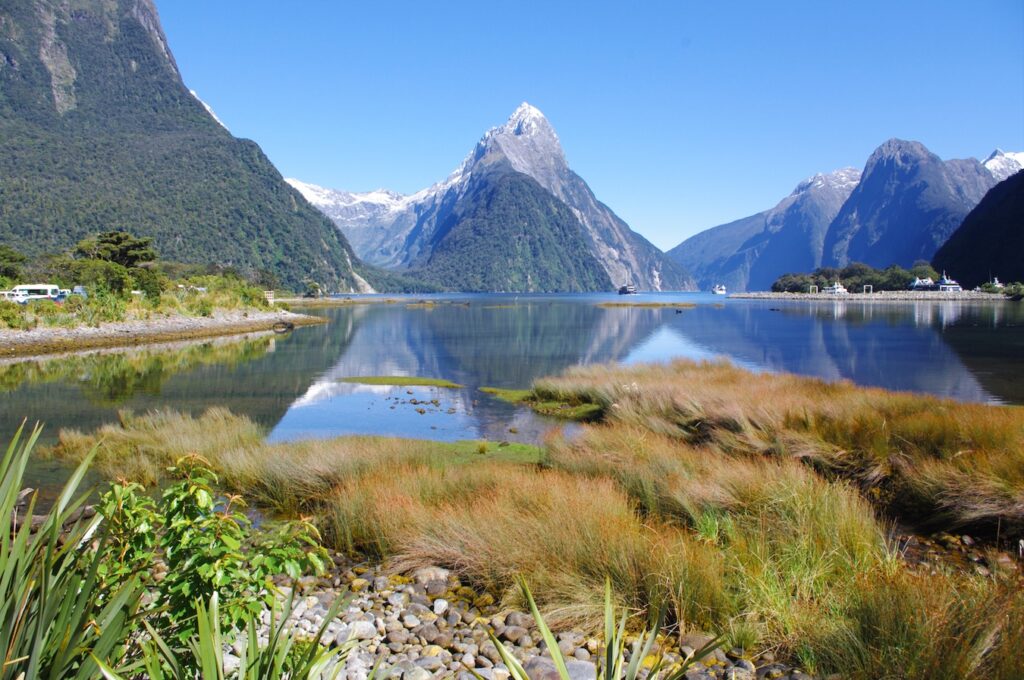
New Zealand delivers a rare mix of gentle cruising grounds and wild, story-soaked coastlines. From the warm Bay of Islands to the glacier-carved drama of Milford Sound, each stretch offers its own flavour, its own rhythm, and that unmistakable Kiwi welcome waiting just beyond the next headland.
New Zealand sailing has a way of surprising you. One moment you’re gliding past pohutukawa trees glowing red on a summer shoreline; the next you’re nudging into a quiet harbour where the locals still wave as you pass. It’s a country shaped by voyagers—Māori navigators crossing the Pacific, early traders riding capricious winds, and modern sailors chasing adventure. The food reflects that same mix: fresh fish straight off the boat, earthy wines in small coastal towns, and the sort of bakery pies that fuel many a morning departure. Geography here is a sailor’s playground—mountains, islands, drowned valleys, and deep fjords that feel almost otherworldly.
One imperfection? The weather can turn cheeky. I once set off under perfect blue only to be greeted by a stubborn squall twenty minutes later—my coffee met an early end. But that’s part of the charm: New Zealand keeps you awake, aware, and thoroughly engaged. Whether you’re a first-timer or an old hand, it rewards curiosity and good seamanship at every turn.
The Bay of Islands offers sheltered waters, island-hopping, and dolphin sightings on lucky days. Whangaroa Harbour gives deep, still arms where cliffs rise like guardians. The Hauraki Gulf mixes playful breezes with bustling islands all within reach of Auckland, the city of sails, while the Marlborough Sounds reward slow exploration. Down south, Milford Sound and Abel Tasman deliver wild beauty in starkly different styles
• Deep Water Cove (Maunganui Bay Marine Reserve) – crystal-clear water, huge schools of blue mao mao, and barely any foot traffic because access is mainly by boat. Perfect snorkelling and a genuinely untouched feel.
• Moturua Island Archaeological Terraces – walk from quiet dinghy landings to giant ancient Māori pā terraces carved across the hills — most visitors never notice them.
• Roberton Island (Motuarohia) Lagoon Track – A short climb to a twin-lagoon viewpoint that feels like a Pacific postcard. Often overshadowed by the big-name islands, but far more magical.
• Duke’s Nose (Kairara Rock) from Lane Cove Hut – You anchor in Rere Bay, hike through bush, and scramble up a ridge to one of the sharpest lookouts in Northland. World-class view; almost empty even in summer.
• Waiiti Bay Hidden Swimming Coves – Tiny warm-water pockets tucked beneath volcanic cliffs. Accessible only by tender and known mainly to local fishers.
• Omahuta–Puketi Ancient Kauri Link (Harbour Backcountry Access) – From Whangaroa’s headwaters, you can access trails into true old-growth kauri forest — far quieter than the famous Waipoua trees.
• Rakino Island’s Collins Bay – A secluded anchorage with turquoise water, white sand, and almost no crowds — a rare quiet corner this close to Auckland.
• Ponui Island (Shingle Cove, Eastern Side) – Family-owned and wonderfully undeveloped. Anchor off golden rocks where dolphins often cruise at dawn.
• Tiritiri Matangi Remote Tracks (Hobbs Beach side) – Skip the main lighthouse routes and wander the quieter eastern trails where the rare birds are often bolder. Incredible soundtrack at sunrise.
• Nydia Bay (Pelorus Sound) – Arrive by boat to mirrored morning water, weka wandering the beach, and a remote eco-lodge tucked in the bush. A peaceful gem.
• Bulwer & Catherine Cove (Outer Pelorus) – Far from the usual Queen Charlotte crowds, these coves feel like stepping back decades — superb fishing, native birds, and calm anchorage pockets.
• Ruaomoko Falls (Endeavour Inlet) – A cool, shaded cascade hidden in the forest behind the inlet. Most walkers on the Queen Charlotte Track never deviate to it.
• Harrison Cove Underwater Observatory – The only place on earth where you can see deep-water black coral thriving at snorkelling depth. A surreal, silent world.
• Sinbad Gully Amphitheatre (Viewable & Accessible by Small Craft) – Towering granite walls, rare wildlife, and an atmosphere that feels prehistoric. Almost unknown to the average visitor.
• Stirling Falls Basin by Kayak (When Conditions Allow) – Paddling into the mist of a 150-metre waterfall is unforgettable — loud, icy, and strangely calming once you stop shouting.
• Shag Harbour (Boat-Only) – One of Abel Tasman’s quietest anchorages: jade-green water, golden rock shelves, and perfect stillness on early mornings.
• Cleopatra’s Pool & Granite Waterslide – Up the Torrent River — a natural slide carved into smooth granite. Cold enough to jolt a grin out of anyone.
• Tonga Island Seal Nursery – Sheltered pools where pups play and learn to swim. Most casual travellers never see them because you need your own vessel to get close.
Most sailors visit from November to April, when daylight runs long, the breezes are friendlier, and the water is at its warmest in the north. The shoulder months—October and May—can be rewarding too, with quieter bays and crisp visibility, though conditions swing more quickly and require a watchful eye.
New Zealand Sailing suits many levels. The Bay of Islands and Abel Tasman are ideal for beginners or crews with minimal experience. The Hauraki Gulf sits comfortably at intermediate. The Marlborough Sounds call for solid navigation, while Milford Sound is best for experienced sailors or skippered trips due to strong katabatic winds and limited anchorages.
Expect variable winds—light seabreezes in the north, gusty funnelling in the Sounds, and strong downdrafts in Milford Sound. Sea states shift quickly, so prepared navigation helps, even in line-of-sight areas. Moorings include modern marinas, town quays, public moorings, and many anchorages with good holding—though some southern spots demand careful depth checks.
You’ll find bareboat charters in the Bay of Islands, Hauraki Gulf, and Marlborough Sounds. Skippered yachts suit Milford Sound and first-time crews. Flotillas occasionally operate in the north during summer, while cabin charters provide an easygoing option for travellers wanting community, comfort, and less responsibility at the helm.
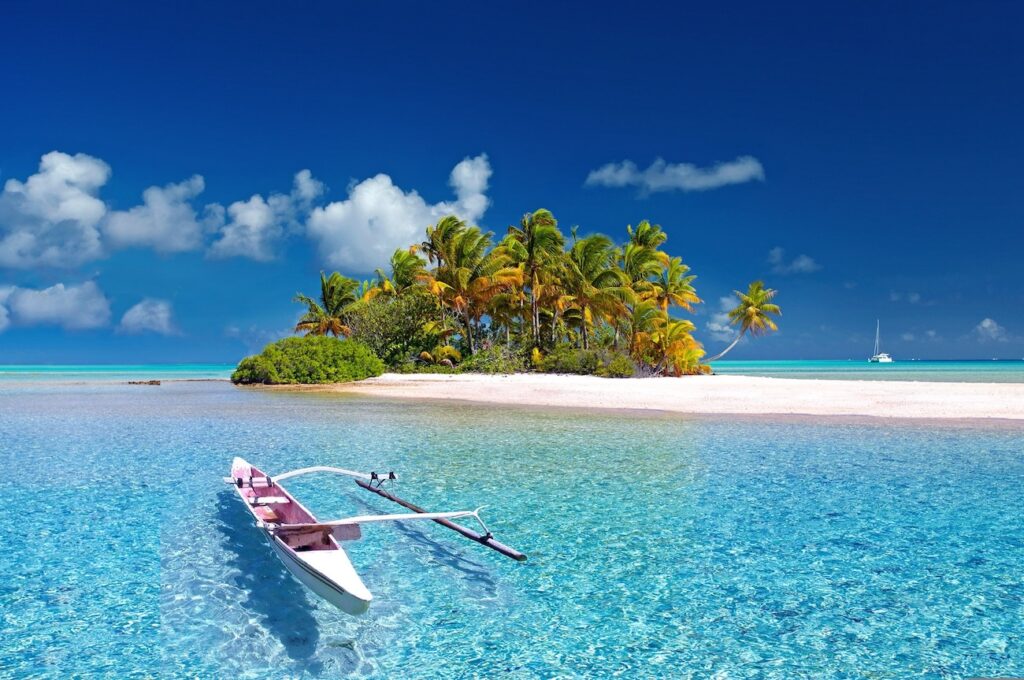
Tahiti offers that rare blend of calm lagoons, bold ocean swells, and a culture so warm it feels like you’ve stepped into a friendly village the moment you tie up. Sail between volcanic silhouettes, anchor over sand as soft as flour, and discover why these islands stay with you long after you’ve left.
Tahiti sits at the heart of French Polynesia, and from a sailor’s point of view, it feels like nature designed it with hulls in mind. The island rises from the sea like a green volcano wrapped in waterfalls and ridgelines, and the surrounding reefs cradle bright lagoons that are forgiving for beginners yet endlessly rewarding for old sea dogs. Polynesian culture brings warmth everywhere you go — ukulele at dusk, fresh fruit markets in the morning, and a generosity that reminds me of home in New Zealand.
Historically, these waters have seen explorers, navigators, voyagers, and the odd slightly-lost yachtie (guilty — once drifted halfway towards Moorea while staring at a school of eagle rays; worth it). The architecture mixes traditional fare houses with French cafés and breezy beach bars, making every dinghy ride ashore a small adventure on its own. Cuisine swings from poisson cru (raw fish with coconut milk) to flaky French pastries that somehow taste even better after a day on the water.
What makes Tahiti truly attractive for Tahiti sailing is the variety: easy lagoon hops, confident open-water crossings, strong anchorages, and crystal-clear coral shelves perfect for snorkelling straight off the stern. It’s a rare mix of beauty, culture, and pure sailing joy.
Moorea sits a short reach across the channel, offering dramatic peaks and sheltered anchorages like Opunohu Bay. Taha’a rewards you with calm lagoon cruising, sweet vanilla farms, and a patchwork of coral gardens. Raiatea, home to ancient marae, makes a brilliant base with excellent marinas. And Bora Bora’s iconic turquoise lagoon—yes, it’s popular, but the glow at sunset is pure magic and well worth the voyage.
Tahiti and her neighbouring islands overflow with adventures that go far beyond the helm. Start with Papeete Market, an early-morning feast of tropical fruit, shell jewellery, colourful pareu fabrics, and fisherman joking loudly while cleaning their catches. It’s vibrant, a bit chaotic, and a fantastic place to stock the galley before you set off.
Hit the waterfalls along the Fautaua Valley or the cascades near Papenoo — lush, cooling, and ideal if you’ve been on the water for days and need to stretch the legs. A good pair of sandals does the trick; no need for mountaineering gear.
For something truly special, sail or ferry to Moorea and bike the island’s inner roads. The view from the Belvédère lookout, with Cook’s and Opunohu Bays unfolding beneath you, feels like standing above a giant turquoise amphitheatre. Back at sea level, drift-snorkelling the Coral Garden between Taha’a and Raiatea is as close as you’ll get to flying over a living reef without a scuba tank — currents carry you gently past purple corals and curious butterflyfish.
On Raiatea, visit Taputapuātea, a UNESCO-listed marae and a powerful reminder of Polynesian voyaging history. It’s not flashy, but it feels deeply meaningful, especially for sailors following the footsteps of the great navigators.
If beaches are your calling, the motus (tiny islets) scattered across the lagoons serve up white sand, clear shallows, and the shuffle-of-your-toes kind of relaxation. On Taha’a, Motu Tautau has postcard-worthy views, while Bora Bora’s eastern motus reward those who arrive by boat with quiet corners the resorts can’t reach.
Wildlife lovers won’t be disappointed: rays glide beneath your keel in shallow anchorages, while humpback whales migrate through from July to October. Snorkellers should keep an eye out for black-tip reef sharks — graceful, calm, and far more interested in their own business than yours.
And if you like a bit of cultural flavour, nothing beats an evening watching local dancers move to drums and firelight. It’s rhythmic, proud, and full of heart — the kind of night that stays lodged in your memory like the smell of salt on a warm breeze.
Tahiti isn’t perfect, of course. Sometimes the supply boat arrives late and your favourite snack vanishes for a week, or a downpour sneaks up on you just as you’re drying clothes. But that’s sailing — part challenge, part charm, and Tahiti handles both beautifully.
The most comfortable conditions arrive during the dry season, May to October, when southeast trade winds settle in and rainfall dips. Seas are manageable, humidity eases, and visibility is excellent for reef watching. The shoulder months, April and November, are also pleasant with fewer visitors. December–March brings hotter weather, occasional squalls, and less predictable winds.
Tahiti sailing suits a wide range of sailors. Beginners can enjoy forgiving lagoons with line-of-sight navigation and gentle trades, especially around Moorea and Taha’a. More experienced skippers will appreciate the open-water legs between islands and the need for tidy reef-pass planning. No formal certification is required locally, but having a recognised qualification boosts confidence and charter approval.
Expect steady southeast trades at 10–20 knots, clear lagoons with coral shelves, and occasional ocean swell between islands. Navigation mixes straightforward lagoon passages with planned reef-pass entries—always approach with good light and a lookout. Moorings vary from marina berths in Raiatea to village quays, resort moorings, and sandy anchorages over turquoise shallows, often with excellent holding.
You’ll find every style of charter here: bareboat for confident sailors, skippered trips for relaxed cruising, flotilla options for social voyagers, and cabin charters if you prefer a single berth and a laid-back itinerary. Catamarans dominate the fleet for their shallow draft and comfort, but monohulls are available for those who enjoy classic heeling and lively passages.
5 FREE DOWNLOADS
Get instant access to my comprehensive Sailing Starter Kit – a total of 4 guides and aids providing everything you need to plan your first adventure on the water.
no credit cards, no catch…
Join my sailing community
No spam, ever. Unsubscribe anytime. I respect your privacy
To provide the best experiences, we use technologies like cookies to store and/or access device information. By clicking Accept you are consenting to these technologies and this will allow us to process data such as browsing behaviour or unique IDs on this site. By clicking the close button ‘X’ you will not be consenting, which may adversely affect certain features and functions.
No spam and Unsubscribe anytime. Please also refer to my Privacy Policy
