
Charting a course across the Mediterranean means sailing through a living museum—where Phoenician traders, Roman galleys, and modern holidaymakers have all dipped a toe. It’s blue water, vibrant ports, and hidden anchorages you’ll want to visit again.
The Med is a patchwork of cultures: saffron-scented paella in Mallorca, basil-heavy pasta in Sardinia, ouzo by a Greek quay, and Turkish meze at a bustling marina. Civilisations built these harbours—Romans, Byzantines, Ottomans—with architecture from whitewashed Cycladic chapels to Corsican citadels and Maltese limestone piles.
The geography offers open blue, island hops, and coastal meanders among olive groves, limestone cliffs, and sun-bleached villages. From a sailing perspective, there’s something for all: steady winds, mixed routes, convivial locals, anchorages where time slows, and always a taverna within walking distance. A mate of mine once tried making his own Spanish tortilla in a rolly anchorage, which did not go well. Lesson learned—local fare tastes better when cooked by locals.
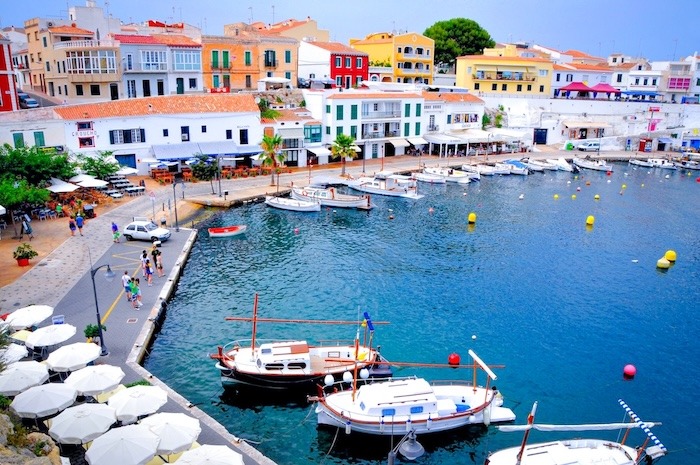
The Balearic Islands serve up all the sun, clear sea, and lively towns you expect—plus just enough rugged, secret corners to surprise even expert sailors. Ready your lines for turquoise anchorages and hilltop villages you didn’t spot in the brochures.
Long before superyachts turned up, the Balearics were crossroads for Phoenicians, Romans, and Carthaginians, leaving stone towers, fortress towns, and a cuisine mixing saffron, seafood, and almonds. The geography swings between mountain ranges (Tramuntana), pine forests, and hundreds of coves. Mallorca’s Gothic cathedral greets you in Palma; Menorca serves up peaceful harbours and prehistoric ruins. Ibiza has UNESCO-listed Old Town walls, wild pine-scented anchorages, and Formentera sits low and sandy with Caribbean-blue bays. For sailors, it’s a mixed bag: everything from long open water passages to easy line-of-sight hops. Best of all? The Med sunshine, predictable winds, Mediterranean mooring tricks, and shore leave at bustling tapas bars. One evening, the forecast promised a gentle breeze—but it turned out wild. Two of us ended up wrestling a stern line in a rain squall, soaked and laughing. Not glamorous, but unforgettable.
– Mallorca’s south-east coves (Cala d’Or, Porto Colom) for sand and seafood.
– Formentera’s Ses Illetes: Powder beach and crystal shallows.
– Menorca’s Port de Fornells: Quiet, old-school charm, prehistoric ruins.
– Ibiza’s Cala Salada: Pine-covered cliffs, turquoise water, hearty paella.
– Cabrera National Park: Remote, protected, starry nights at anchor.
– Hike Mallorca’s Tramuntana mountains; anchor at Es Trenc for sunset.
– Visit Menorca’s talayots—a real Bronze Age mystery.
– Explore Ibiza’s Old Town and wild inland valleys.
– Try cliff jumping at Formentera’s Cala Saona.
– Dive or snorkel Cabrera’s waters (look for groupers and barracuda).
– Sample ensaimada, sobrasada, and local red wine.
– April to October is prime, but May, June, and September offer the best combo: warm water, lively ports, not too crowded.
– July and August deliver peak sun (and crowds)—book marinas early.
– Autumn brings quieter anchorages and mellow afternoons.
– Balearics suit all levels—novice sailors get steady breezes and easy navigation.
– Mediterranean mooring takes practice but harbour staff help out.
– Day Skipper-level? You’re set for coastal hops and island routes.
– Coastal Skippers can take on full circumnavigation and open water jumps.
– Light-to-moderate summer winds, mostly line-of-sight navigation.
– “Med Mooring” (stern- or bow-to quay, lazy lines) is standard—expect the odd slimy rope handed by a smiling marinero.
– Marinas, town quays, and plenty of anchorages (especially in Menorca and remote Mallorca).
– Be ready for sudden gusts near mountains, but serious storms are rare in season.
– Bareboat charters everywhere for confident sailors.
– Skippered options for relaxed holidays or first-timers.
– Flotilla sailing for friendly groups or solo sailors wanting company.
– Cabins and crewed catamarans for spoon-fed luxury.
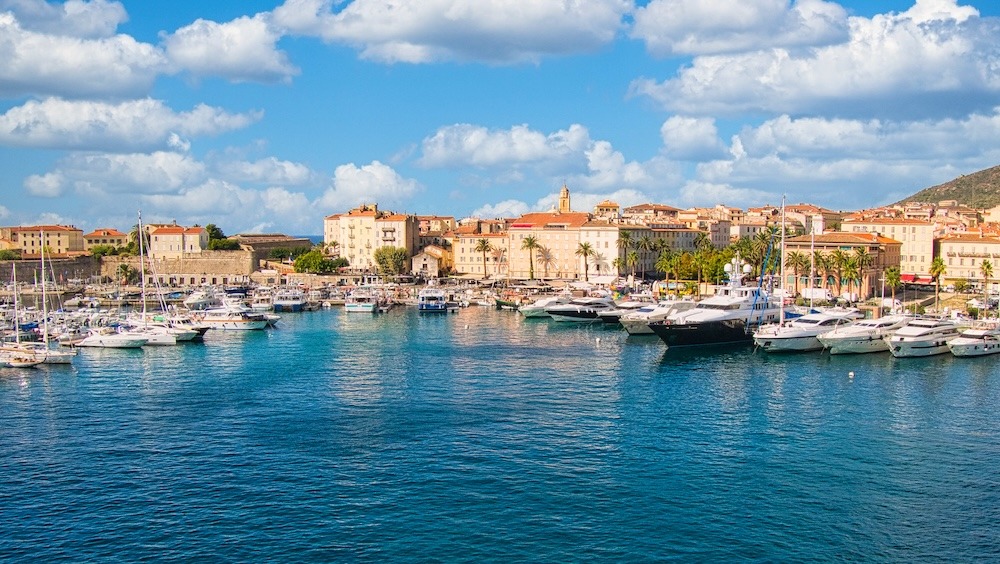
Corsica sailing feels wild yet welcoming. Steep granite rises straight from clear water, while the scent of pine and myrtle drifts across the deck. Hidden coves, French charm, and Italian flair mingle in one unforgettable island. Come for the scenery, stay for the calm anchorages and bread still warm from a village boulangerie.
Corsica sits proud in the middle of the western Mediterranean—French, yet somehow entirely its own. Its mountains tumble to a serrated coastline of ochre cliffs, forested headlands, and beaches that could shame the Caribbean. From a sailor’s perspective, Corsica is a gem: compact, rugged, and astonishingly varied. You can lunch in a harbour bistro and be anchored under a limestone bluff by sunset.
Ajaccio offers lively marinas and Napoleon’s legacy, while Bonifacio, carved into white cliffs, looks like it might slip right into the sea. Calvi and Saint-Florent serve up postcard views and fresh seafood platters within easy reach of well-marked moorings. The cuisine blends French finesse with island soul—fig jam, cured ham, brocciu cheese, and wild boar stew. I once chased my hat halfway down Bonifacio’s quay in a sudden mistral gust; a local fisherman caught it midair, gave a grin, and said, “Corsica keeps what she likes.” He wasn’t wrong. Corsica sailing is about grace under gusts and gratitude for small rescues—plus views you’ll never forget.
Begin in Bastia or Saint-Florent, then follow the rugged west coast down past Calvi, Girolata, and Porto—each a natural amphitheatre of cliffs and coves. South of Ajaccio, anchor in Propriano or the sheltered Gulf of Valinco. Bonifacio’s narrow limestone channel is the island’s dramatic finale, where turquoise meets chalk-white stone.
Hike the Scandola Nature Reserve (boat access only) to see red cliffs plunge into indigo sea. Explore Calvi’s citadel, stroll Ajaccio’s markets, and swim in Roccapina’s curve of fine sand. Inland, Corsica’s maquis-scented hills and the GR20 trail tempt even sailors ashore. Don’t miss a chilled glass of Patrimonio wine at sunset.
Late May to September gives warm seas and steady winds. July–August bring heat and crowds, so June or early September hit the sweet spot: good breeze, quieter harbours, and space to anchor. Spring offers wildflowers ashore, while autumn rewards patient sailors with mirror-calm mornings. Corsica sailing shoulder months are a dream.
Best suited for intermediate sailors comfortable with variable winds and rocky approaches. The west coast can challenge beginners with swell and limited shelter, but the east is gentle and forgiving. Bonifacio demands confident helms, yet reward equals effort. Flotilla or skippered options make Corsica sailing accessible for everyone.
Expect Mistral winds funnelling from the north-west and occasional thermal breezes. Sea state changes quickly, so anchor early and snug. Navigation is mostly visual—headlands and peaks make excellent marks—but keep a keen eye for submerged rocks near Girolata and Capo Rosso. Moorings range from secure marinas to sand-bottom coves with perfect holding.
Bareboat and skippered yachts are readily available in Ajaccio, Calvi, and Bonifacio. Flotillas are less common but rising. Cabin charters offer relaxed exploration, often including local provisioning and guided hikes. Corsica suits sailors who want freedom without losing comfort—a fine balance between adventure and indulgence.
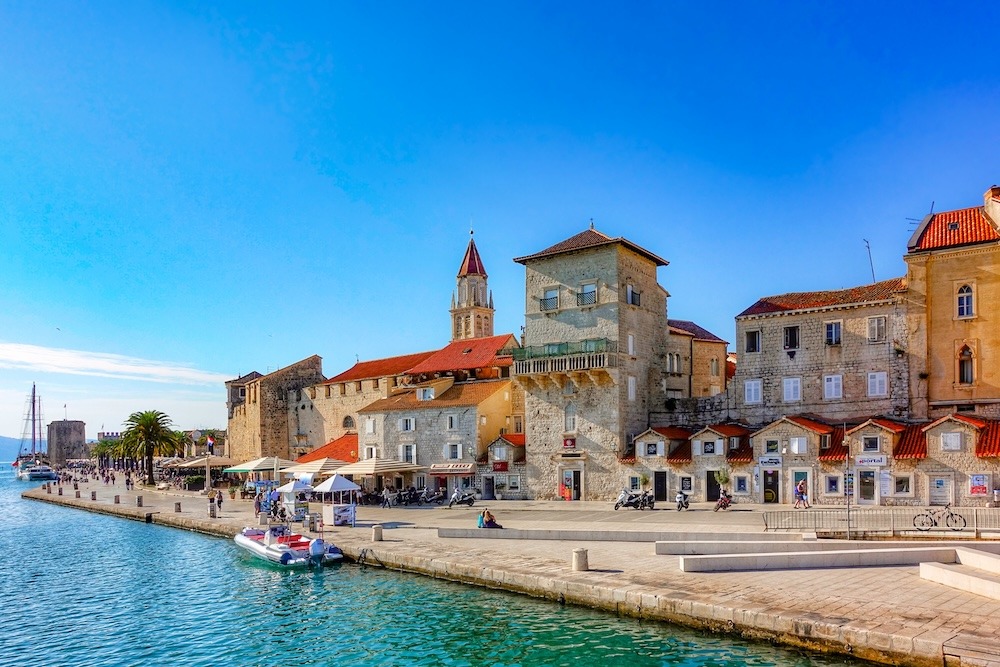
It’s often called the ultimate sailing playground, and frankly, it’s hard to argue. The Dalmatian Coast offers a perfect mix of ancient history, crystal-clear anchorages, and fantastic food. It’s a place that just works for sailors, whether you’re new to the helm or an old hand.
Sailing the Dalmatian Coast feels like navigating through a living museum. You’re in the wake of Venetian merchants, and the sense of history is everywhere. The geography is the real star: over a thousand islands, most running parallel to the mainland. This layout creates a uniquely sheltered sailing area, a natural ‘calm zone’ protected from the open sea. The culture is a welcoming blend of relaxed Mediterranean life and deep history. One day you’re exploring Diocletian’s Palace in Split, the next you’re anchored in a quiet uvala (bay), smelling wild rosemary on the breeze. The cuisine is superb—simple, fresh seafood, local olive oil, and brilliant local wines. I once spent an entire afternoon trying to convince a restaurant owner in Vis to sell me his recipe for Peka (a traditional slow-cooked dish); he just laughed and sold me another bottle of Plavac Mali instead. For sailors, the attraction is simple: it’s impossibly beautiful, the hops (passages) between islands are refreshingly short, and the water is a shade of blue you just have to see.
From the main hub of Split, the sailing options are endless. Head south to the classics: Hvar (for the glamour and nightlife), Vis (for the history and quiet coves), and Korčula (a beautiful “mini-Dubrovnik”). Further south, the Elaphiti Islands near Dubrovnik are stunning. For something different, the Kornati National Park offers a stark, lunar-like landscape of 100+ islands in a tight, navigationally fascinating space.
You’ll never be bored. Explore the ancient city walls of Dubrovnik or the sprawling Roman palace in Split. Take your dinghy (tender) to the Blue Cave on Biševo—it’s popular, so try to go early. Hike through the pine forests in Mljet National Park, or just find a secluded beach—Stiniva on Vis is a classic—and drop the anchor for a swim.
The prime season runs from May to September. July and August are the warmest (and busiest!), with very settled weather. For my money, the shoulder months of June and September are the sweet spot—still wonderfully warm, the winds are reliable, and the crowds in the popular towns are a bit more manageable.
Croatia is exceptionally welcoming for newer sailors, but you can’t just rent a boat with a credit card. You’ll need an official sailing certification (like an RYA Day Skipper, ICC, or equivalent) and a VHF radio license. It’s the perfect place to build confidence as a skipper or to take your first skippered charter.
Conditions are famously benign in summer, with light-to-moderate afternoon winds, typically a gentle Maestral. Navigation is almost all line-of-sight—you can usually see your next destination! Moorings are varied: modern marinas, town quays (piers), and mooring buoys are plentiful. My one grumble? Mooring fees can add up quickly, so budget for them. Anchoring is fantastic, but check your charts for designated areas.
The charter market here is massive. Bareboat charter (you skipper yourself) is the most popular, given the easy conditions. If you’re less experienced or just want to relax, a skippered charter is a stress-free way to see the sights. Flotillas are also common, offering a great balance of social sailing and independence. You can even book a single cabin on a crewed boat.
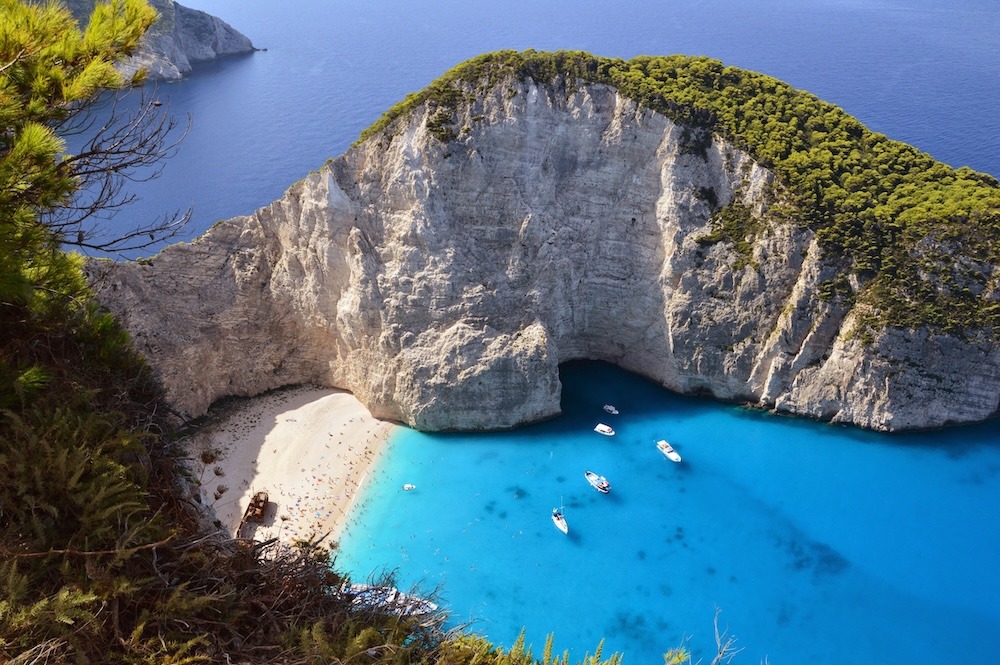
Sailing in Greece. It sounds like a dream, doesn’t it? White villages, water so blue it hurts the eyes, and history everywhere. But it’s also practical. This guide skips the myths and gives you the real-world advice to choose the right islands for your adventure.
Let’s talk about sailing in Greece. It’s hard to find a place where history and sailing are so closely linked. You’re literally sailing through myths. Every island has its own story, often stretching back thousands of years. You’ll see it in the ancient ruins, the whitewashed (and sometimes blue-domed) villages clinging to the cliffs, and the tiny chapels.
The geography is what makes it special for sailors: thousands of islands scattered across the Aegean and Ionian seas. This means you’ve always got a new harbour or a quiet bay to aim for. The food? That’s half the reason to go. Simple, fresh, and best enjoyed at a waterfront taverna after a good day on the water.
From a sailing perspective, it’s the variety that wins. You want calm, family-friendly cruising? Head to the Ionian. You want a real sailing challenge with strong winds? The Cyclades are waiting. It’s a vast, beautiful, and endlessly rewarding cruising ground.
You’re spoilt for choice. The Ionian is green, gentle, and perfect for beginners. The Cyclades are the classic, windy islands for experienced crews. For a mix of cultures, the Dodecanese near Turkey is fantastic. The Sporades (think Mamma Mia!) are green and stunning, while the Argo-Saronic is close to Athens and packed with history.
It’s not just sailing. Drop the hook (anchor) and explore. You’ve got world-famous sites like the Acropolis in Athens or Delos near Mykonos. But the real magic is finding a quiet beach for a swim, hiking an old donkey track to a village, or just watching the world go by from a small taverna.
It’s not just sailing. Drop the hook (anchor) and explore. You’ve got world-famous sites like the Acropolis in Athens or Delos near Mykonos. But the real magic is finding a quiet beach for a swim, hiking an old donkey track to a village, or just watching the world go by from a small taverna.
The main season runs from May to October. July and August are the busiest, hottest, and windiest (especially the Meltemi wind). For a bit more elbow room and milder weather, I reckon the “shoulder seasons” are best. Aim for May/June or September/October for a fantastic balance.
Greece has something for everyone. The Ionian is ideal for beginners and those building confidence. For the more challenging Cyclades, you’ll need solid qualifications (like an ICC or equivalent) and experience with strong winds and anchoring. Always check with your charter company about their specific requirements.
Conditions vary hugely. The Ionian has light winds. The Cyclades have the Meltemi—a strong, dry north wind in summer that demands respect. Navigation is mostly line-of-sight, but good planning is essential. Mooring is often “Med-style” (stern-to) on busy town quays. I’ll admit, my first attempt at this in a crosswind wasn’t pretty, but you get the hang of it!
You’ve got all the options. Bareboat (you skipper yourself) is most common if you’re qualified. If you’re not, or just want to relax, hire a skippered charter. Flotillas are great for a mix of support and independence, and cabin charters are perfect for sailing solo or as a couple.
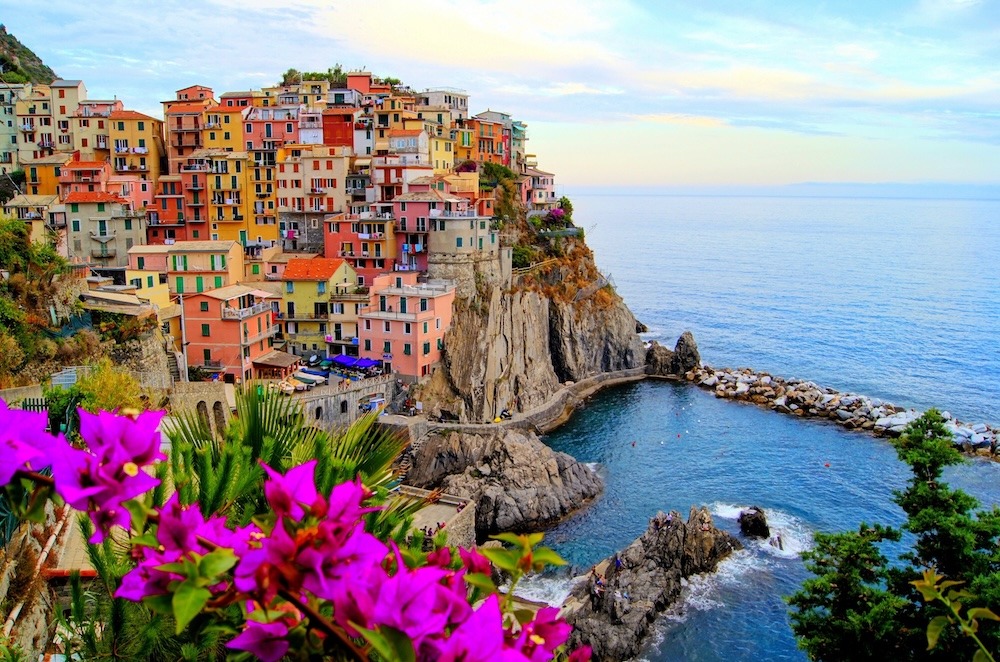
Italy sailing is a sensorial feast: volcanic silhouettes, lemon-scented lanes, and harbours that glow at dusk. From Liguria’s pastel ports to Sardinia’s wild coves, this coast rewards curious skippers and first-timers alike. Simple hops, proper cappuccino, and clear anchorages—yes, you can have the lot. In spades.
Set where continents trade recipes and sea routes, Italy serves history with a side of coastline. Etruscan outposts sit near baroque domes; Greek theatres look over lava and blue water. The food is gloriously regional: bottarga in Sardinia, caponata in Sicily, pesto in Liguria, and island-made passito on Pantelleria. Architecture tumbles colourfully to the waterline in Camogli and Amalfi, while Elba and the Tuscan Archipelago offer low-slung pines and pale granite coves. From a sailing perspective, the playground is varied: sheltered gulfs for line-of-sight hops, and bolder passages where Mistral, Scirocco, and Maestrale ask for respect. My favourite small-win? A calm dawn motor into Vulcano’s bay when a gull swiped my biscuit—proof a skipper never truly dines alone. Italy sailing is attractive because distances can be short yet the cultures change fast; you can anchor under cliffs, moor to town quays for gelato, or pick a marina with hot showers and a good trattoria. Bring curiosity, a tidy deck, and a camera you’re not afraid to salt.
Chart easy wins and show-stoppers: Elba’s Porto Azzurro and Marciana Marina for friendly berths; Sardinia’s Maddalena archipelago for granite bowls and aquamarine sand; Amalfi’s Positano–Capri run for postcard drama; Sicily’s Egadi for turquoise shallows; Pantelleria for lava coves; and the Aeolian Islands—Stromboli to Vulcano—for night glow and hot mud. Liguria ties it together with Cinque Terre hues.
Swim the granite pools of Cala Coticcio; hike Vulcano’s Gran Cratere; soak in Pantelleria’s Specchio di Venere. Wander Roman Lipari, baroque Noto, and Amalfi’s cliff-hugging paths. Spot wild donkeys in Asinara National Park. For gentle nature breaks, the Tuscan Archipelago National Park and Path of the Gods pair perfectly with lazy afternoons at anchor.
May–June and September–October are sweet spots: warm water, cooler nights, steadier winds, fewer crowds. July–August bring meltemi-like blasts in places and full marinas—book ahead. Winter is for hardy crews and storm watching. Spring shoulder sees flowers ashore and clearer water. For Italy sailing shoulder-season magic, expect 10–18 knots and civilised sea breezes most afternoons.
Beginners enjoy line-of-sight hops around Elba, Amalfi, and sheltered Ligurian bays. Intermediate crews handle Maddalena channels and Aeolian inter-island legs. Confident skippers plan for Mistral or Scirocco surges off Sardinia and Sicily. A day’s prep on local winds pays off. See the plain-English guide to sailing certification if you’re choosing bareboat vs skippered.
Expect sea breezes by late morning; katabatic puffs roll off steep coasts at dusk. Navigation is mostly coastal and line-of-sight, but watch traffic separation near Genoa and Strait of Messina currents. Mooring options span marinas, town quays (med-moor), laid moorings in smaller ports, and dreamy sand-over-rock anchorages. Carry a stern line for rocky coves.
Choose your comfort level. Bareboat gives freedom for experienced skippers; skippered is relaxed and keeps the learning flowing. Flotilla adds camaraderie and daily support—great for families. Cabin charter suits solo travellers. In peak weeks, book early for Aeolian and Amalfi berths. Italy sailing outfits are plentiful, so match boat size to your crew and plans.
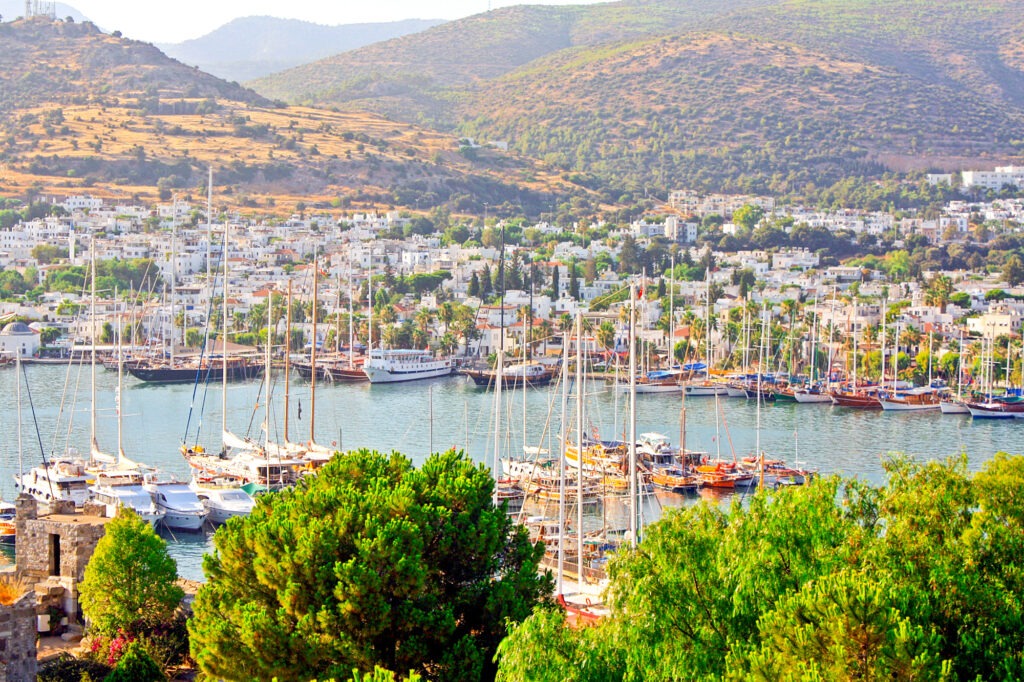
Turkey sailing is where East meets West—and where your anchor drops in postcard blues. Around Bodrum, Marmaris, Göcek, and Fethiye, the Aegean and Mediterranean merge into a tapestry of coves, ruins, and slow sunsets. Expect calm mornings, fragrant air, grilled fish, and laughter echoing from friendly quaysides.
Turkey sits astride history and hospitality. Once home to Lycian mariners and Ottoman traders, its coast still feels made for sailors. Along the Turquoise Coast, you’ll find pine forests tumbling into glassy bays, domes gleaming over harbours, and food that somehow tastes better afloat. Imagine grilled sea bream with lemon, warm bread, and a clink of raki as the call to prayer drifts across the water.
From Bodrum’s chic marina life to Marmaris’s lively waterfront and Göcek’s green-fingered inlets, every stop blends charm with convenience. Fethiye, with its ruins and relaxed buzz, is a fine turnaround port or final toast to the trip. My only misstep? Once dropping anchor in Göcek without realising the restaurant moorings were “reserved”—the waiter kindly waved me in anyway, proving Turkish warmth beats any stern lecture. Turkey sailing shines because it’s a confident blend of comfort, culture, and coastline—a place where seasoned skippers and first-timers both feel at home.
Bodrum to Gökova Bay is classic: sheltered, scenic, and dotted with ruins like Cleopatra Island. Marmaris to Bozburun suits short passages and easy anchoring. Göcek’s twelve islands form a beginner’s paradise of line-of-sight sailing, while Fethiye Bay’s Gemiler Island offers church ruins and calm overnights. Each stretch feels crafted for lazy discovery.
Swim at Butterfly Valley, visit the ancient tombs of Telmessos, or wander Bodrum Castle’s medieval walls. Dive into Lycian history at Kayaköy’s ghost village and snorkel over Byzantine ruins near Tersane Island. On shore, bazaars brim with spices and soft leather goods. Don’t skip Turkish breakfast—bread, olives, cheese, honey, and endless tea.
May through October delivers long days and warm seas. July–August bring heat and lively harbours; shoulder months reward early risers with quiet anchorages and 10–15 knot sea breezes. Winter sees local yachts hauled out for refit, but day sails remain possible in sheltered bays. Spring blooms make April surprisingly good for Turkey sailing adventures.
Ideal for beginners and improvers. Göcek and Fethiye bays offer short, sheltered hops; Marmaris and Bodrum reward more confident sailors with open stretches and afternoon winds. Qualified skippers can comfortably handle these coasts, while novices enjoy flotillas or skippered charters. Visit the sailing certification guide for confidence tips.
Expect smooth mornings and thermal afternoon winds (10–18 knots). Anchorages are well-charted, often with restaurant jetties or mooring lines. Navigation is mostly line-of-sight; charts mark reefs clearly. Summer brings occasional Meltemi gusts north of Bodrum. Holding is good—sand or mud—so sleep easy once your anchor sets.
Bareboat is popular for experienced crews, skippered for relaxed groups. Flotillas operate widely from Göcek and Fethiye—ideal for sociable sailors. Cabin charters let solo travellers join a crew without stress. Turkish gulets—broad wooden motor-sailers—add comfort and character. Book early for Bodrum’s high-summer departures; the coast fills quickly.
5 FREE DOWNLOADS
Get instant access to my comprehensive Sailing Starter Kit – a total of 4 guides and aids providing everything you need to plan your first adventure on the water.
no credit cards, no catch…
Join my sailing community
No spam, ever. Unsubscribe anytime. I respect your privacy
To provide the best experiences, we use technologies like cookies to store and/or access device information. By clicking Accept you are consenting to these technologies and this will allow us to process data such as browsing behaviour or unique IDs on this site. By clicking the close button ‘X’ you will not be consenting, which may adversely affect certain features and functions.
No spam and Unsubscribe anytime. Please also refer to my Privacy Policy
