Discover breathtaking destinations and gain valuable insights to enhance your sailing adventures. Join our community of explorers and start your journey today!
Salt, sunlight, and soul.
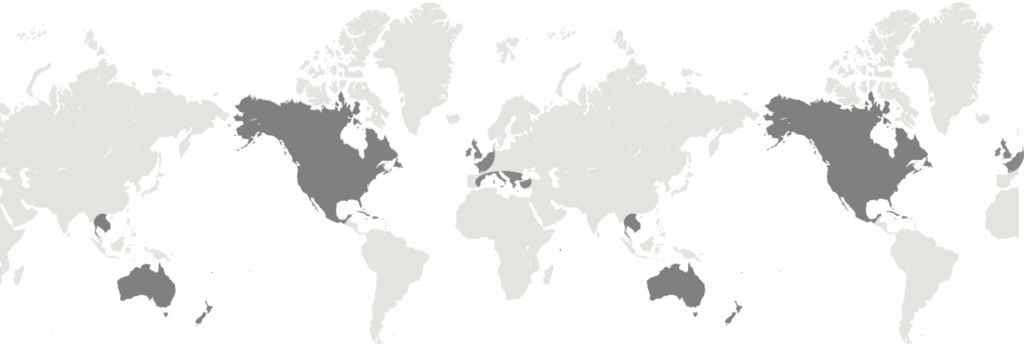
From the turquoise Caribbean to the wild Pacific, the world’s finest sailing grounds call to those who love wind and wanderlust. Whether you’re a novice after calm bays or a salty old hand chasing trade winds, here’s where to set your course—and why every horizon holds its own reward.
Sailing worldwide is more than ticking off oceans; it’s a lifelong rhythm of tides, time zones, and taste buds. Each region—from the mellow Mediterranean to the spirited South Pacific—has its own tempo, cuisine, and sea stories. You’ll find ancient ports rubbing shoulders with modern marinas, coral atolls beside colonial harbours, and fishermen who’ll still wave you in for a chat.
One of the joys of global sailing is discovering how different the same act—hoisting sail and heading out—feels in each place. In Greece, you drift past whitewashed villages where history clings like salt on skin; in Thailand, longtails hum past limestone cliffs; in the Caribbean, reggae drifts across an anchorage at sunset.
I once spent an unexpected night on anchor off Sardinia when a mistral came early. No harm done—just a reminder that weather reports lie more politely than sailors. That mix of surprise and serenity is the real magic of sailing worldwide: every voyage makes you wiser and a touch more humble.
Salt, freedom, and wide horizons.
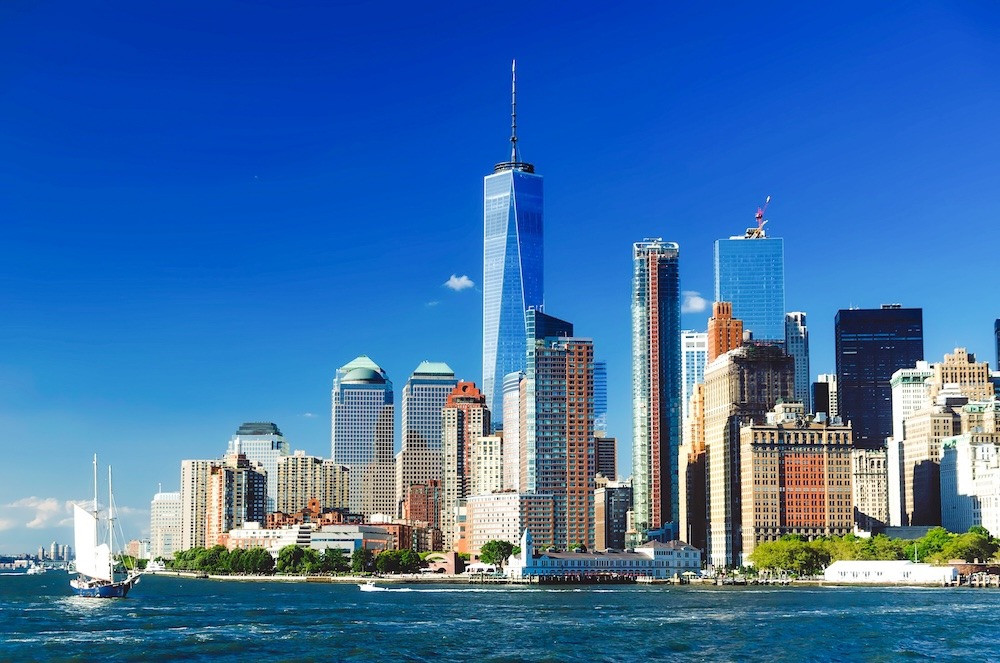
Sailing the Americas is a journey through contrast—Arctic mists to tropical reefs, quiet anchorages to lively marinas. From Canada’s fjords to Belize’s atolls, it’s a sailor’s buffet of climates and cultures, each demanding something different from your hands, heart, and hull.
Sailing the Americas is like tracing the spine of two continents by sea—a voyage through every shade of blue imaginable. Few regions offer such diversity: icebergs in Newfoundland, dolphins in Mexico, manatees in Belize, and island rhythms in the Bahamas. It’s a lifetime’s worth of sailing distilled into one grand coastline.
In the north, Canada’s and New England’s coasts offer rugged beauty and crisp, steady winds. Down the U.S. East Coast, sailors follow the Intracoastal Waterway past lighthouses, marshes, and seafood shacks. The Bahamas greet you with gin-clear shallows and lazy anchorages, while Mexico’s Yucatán adds spice, cenotes, and coral reefs. Belize rounds out the region with its barrier reef—a turquoise playground protected by gentle trade winds.
I once woke to a pod of dolphins racing my bow off Florida’s Keys. For half an hour, they leapt, spun, and grinned as if reminding me to stop adjusting lines and just watch. That’s the Americas: vast, varied, and full of life that insists on joy.
In Canada, explore Nova Scotia’s Bras d’Or Lake and British Columbia’s Inside Passage. The U.S. East Coast offers classic cruising from Maine to the Chesapeake. The Bahamas boast postcard-perfect island-hopping, while Mexico’s Sea of Cortez and Belize’s barrier reef deliver warm water and vibrant marine life—all stitched together by history and hospitality.
From Maine’s lobster shacks to Belize’s Mayan ruins, the Americas reward sailors ashore and afloat. Dive the Great Blue Hole, snorkel Bahamian reefs, or kayak through mangroves in Mexico. Canada and New England charm with whale watching and wooden harbours. Every port has its flavour—rum, tacos, or chowder—and a story waiting at the bar.
There’s always fair weather somewhere. Northern waters shine from June to September, with long days and crisp air. The Bahamas, Mexico, and Belize favour November to May, offering steady trades and clear skies. The trick is to follow the warmth—chase the sun south as winter creeps in, then head north again when the tropics turn humid.
Sailing the Americas suits all abilities. Beginners love the calm waters of the Bahamas or Belize, while seasoned sailors relish the challenge of New England tides or Pacific passages. Local knowledge helps—currents, reefs, and weather patterns vary widely—but the infrastructure is solid. With prudence and patience, any sailor can find their rhythm here.
Expect variety. Northern coasts bring cool winds and tidal navigation, while southern waters are warm, shallow, and coral-studded. The trade winds keep the Bahamas and Belize steady and manageable. The Gulf Stream and Pacific currents add excitement further north. You’ll find marinas, moorings, and anchorages aplenty—each with its own accent and charm.
Choose your pace: bareboats in the Bahamas for independence, skippered charters in Belize for local insight, or crewed yachts in Mexico for indulgence. The U.S. and Canada also host training charters for those keen to upskill amid real-world conditions. Whatever the vessel, the Americas deliver a lifetime of sailing in one grand sweep.
Warm breeze, turquoise sea, easy smiles.
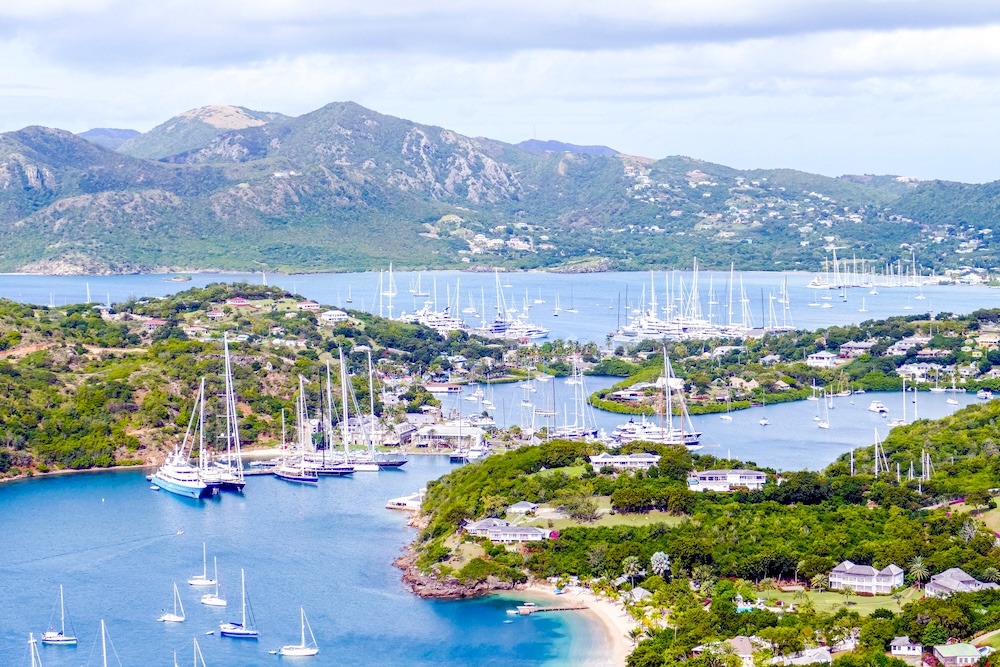
Sailing the Caribbean is pure escapism—steady trade winds, palm-fringed islands, and the scent of spice drifting from the shore. From Antigua’s regattas to Grenada’s reefs, the region invites sailors to slow down, dive in, and discover the simple joy of island-hopping where every sunset feels tailor-made.
Few places capture the spirit of sailing quite like the Caribbean. Stretching from the Bahamas to Grenada, this chain of islands is stitched together by history, rum, and reliable winds. The rhythm of life follows the breeze—gentle, sociable, and always within reach of another anchorage or a steel-drum band.
For newcomers, it’s the easiest entry to warm-water sailing: friendly locals, safe harbours, and countless protected bays. For veterans, it’s the perfect blend of adventure and relaxation. Antigua hosts the grandest regattas; St. Lucia greets ocean-crossers; St. Martin bridges French and Dutch cultures; Grenada tempts with spice markets and shipyards; and the British Virgin Islands (BVI) deliver effortless island-hopping in postcard perfection.
One still evening off St. Lucia, I was rinsing the decks when a turtle surfaced beside the hull, took one look at me, and snorted a puff of seawater as if to say, “You missed a spot.” It lingered there in the glow of the cockpit light before gliding away into the dark. The Caribbean does that—it sneaks small wonders into ordinary moments until you realise you’re smiling for no reason at all.
The BVI remain the world’s favourite sailing classroom—line-of-sight passages, beach bars, and reliable moorings. Antigua boasts history and high-end marinas. St. Lucia’s Pitons make a stunning anchorage, while St. Martin offers dual-culture cruising and great provisioning. Grenada, the “Spice Isle,” rewards those who sail a little further with easy smiles and rich character.
Ashore, the Caribbean spoils you for choice. Explore Nelson’s Dockyard in Antigua, hike St. Lucia’s Gros Piton, or wander Grenada’s spice plantations. Snorkel the reefs of the BVIs, dine French-style in St. Martin, or join a sunset steel-band party on the beach. Food, music, and laughter blend seamlessly into the island rhythm.
The Caribbean’s prime sailing season runs December to May, when trade winds blow steady from the east and the seas stay friendly. June to November brings hotter air and occasional squalls, though many islands remain idyllic year-round. Water stays near 27°C, winds hover around 15 knots—it’s practically designed for perfect sailing.
Sailing here is forgiving and sociable. The BVIs and Antigua are ideal for beginners—short hops, easy navigation, and plenty of support. More advanced sailors may tackle open-water legs between St. Lucia, St. Vincent, and Grenada. Line-of-sight most of the way, reliable winds, and friendly marinas make this region confidence-building heaven afloat.
Expect warm air, clear water, and trade winds around 10–20 knots. The sea state is moderate, with open passages between islands. Navigation is straightforward—charts are good, hazards are well-marked. Anchorage options range from lively town quays to quiet coves fringed by coral. Sunset brings calm seas, cool drinks, and easy contentment.
Charter choices are endless: bareboats for freedom, skippered yachts for guidance, flotillas for fun, or crewed catamarans for comfort. The Caribbean pioneered modern yacht charters, so fleets are abundant and reliable. Whether you’re plotting a honeymoon, family escape, or solo sabbatical, these islands promise wind in your hair and salt on your grin.
Mist, tide, and timeless charm.
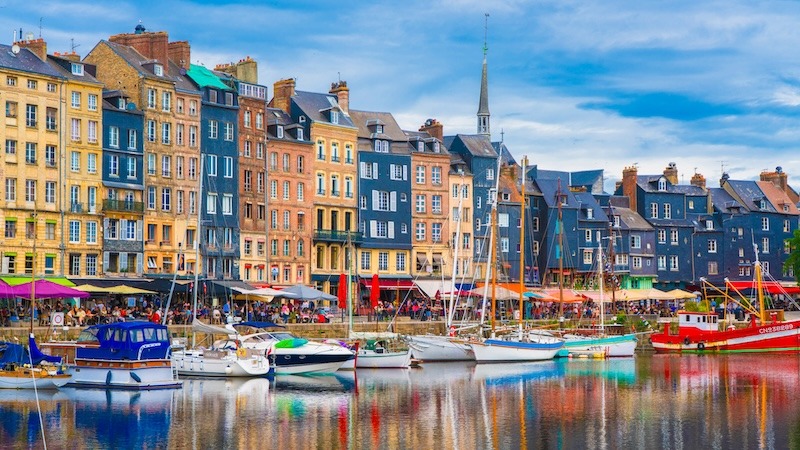
Sailing Northwest Europe is an adventure in contrast—ancient harbours, strong tides, and weather that keeps you honest. From Cornwall’s coves to Scotland’s lochs, from Ireland’s green shores to Normandy’s cliffs, this is sailing with character. The scenery humbles you, the locals welcome you, and every pint tastes earned.
Sailing in Northwest Europe is like paging through a living history book, except you’re the one turning the pages by wind and tide. This isn’t the tropics—it’s better in its own stubborn way. The rewards come slower, the winds stronger, the stories richer. The region covers England, Scotland, Wales, Ireland, northwest France, and the Channel Islands, all bound by the restless Atlantic.
The charm lies in its diversity. One day you’re navigating fog and seals in Scotland’s Hebrides; the next, you’re sipping cider on a Breton quay. You’ll find medieval castles, crumbling fortifications, and marinas with pubs that double as history lessons.
I once spent a long night beating up the Irish Sea in drizzle and three-metre swells, grumbling about visibility. At dawn, the clouds parted over Anglesey, and a rainbow stretched across the bow. That’s Northwest Europe—moody, magical, and worth every soggy moment.

Start with Cornwall’s Falmouth or Dartmouth for accessible coastal cruising. Wales’s Menai Strait offers stunning scenery with tidal trickiness. Scotland’s west coast—Oban to the Hebrides—is world-class, remote, and rugged. Hop to Ireland’s Dingle Peninsula or Kinsale, then cross to Brittany or the Channel Islands for stone harbours and strong coffee.
Ashore, explore castles, Celtic ruins, and coastal trails. Visit St. Michael’s Mount in England, Skye’s Cuillin mountains, or Brittany’s walled towns. Sample Guinness in Galway, whisky on Islay, or crêpes in Cancale. In the Channel Islands, wander narrow lanes and chat with yachties from half the world. History and hearty fare await at every turn.
The season runs roughly May to September, when daylight lingers and weather softens. Spring offers wildflowers and crisp air; summer brings festivals and long twilights. Autumn sailing can be sublime if you’re hardy. Winds vary from 10–25 knots, tides are big, and forecasts matter—this is where sailors learn respect and rhythm in equal measure.
These waters reward knowledge and preparation. Tides, currents, and shifting winds can challenge even seasoned skippers. Beginners should start with sheltered areas—Plymouth Sound or the Clyde—before tackling open passages or the Irish Sea. With tidal planning, decent waterproofs, and a good sense of humour, anyone can fall in love with Northwest European sailing.
Expect variety—gentle breezes one hour, gusts and squalls the next. Sea states range from flat estuaries to Atlantic swell. Navigation mixes line-of-sight with chart and tide work, so planning counts. Harbours offer pontoons, visitor moorings, and pub-side quays. Anchorages are fewer but scenic—just keep an eye on depth and holding ground.
Northwest Europe offers bareboat, skippered, and flotilla charters, often with locally built yachts sturdy enough for tides and chill. Try a cabin charter from Scotland or Ireland for comfort and company. Charter fleets are smaller than in warmer seas, but what you trade in palm trees, you gain in authenticity—and pub proximity.
Sun-warmed stone, salty air.
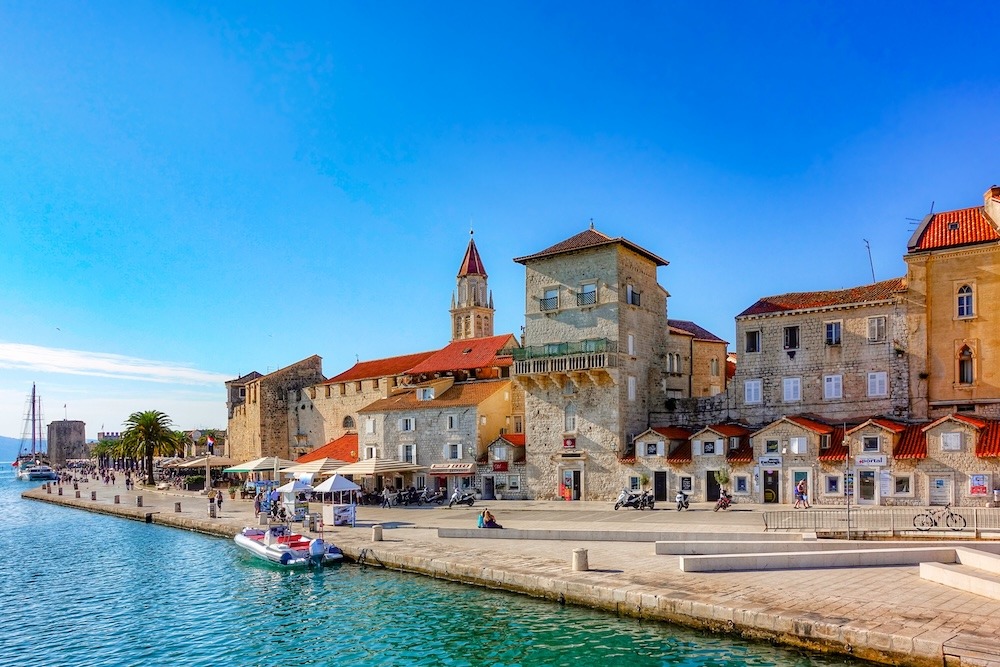
Sailing in Greece. It sounds like a dream, doesn’t it? White villages, water so blue it hurts the eyes, and history everywhere. But it’s also practical. This guide skips the myths and gives you the real-world advice to choose the right islands for your adventure.
Let’s talk about sailing in Greece. It’s hard to find a place where history and sailing are so closely linked. You’re literally sailing through myths. Every island has its own story, often stretching back thousands of years. You’ll see it in the ancient ruins, the whitewashed (and sometimes blue-domed) villages clinging to the cliffs, and the tiny chapels.
The geography is what makes it special for sailors: thousands of islands scattered across the Aegean and Ionian seas. This means you’ve always got a new harbour or a quiet bay to aim for. The food? That’s half the reason to go. Simple, fresh, and best enjoyed at a waterfront taverna after a good day on the water.
From a sailing perspective, it’s the variety that wins. You want calm, family-friendly cruising? Head to the Ionian. You want a real sailing challenge with strong winds? The Cyclades are waiting. It’s a vast, beautiful, and endlessly rewarding cruising ground.
You’re spoilt for choice. The Ionian is green, gentle, and perfect for beginners. The Cyclades are the classic, windy islands for experienced crews. For a mix of cultures, the Dodecanese near Turkey is fantastic. The Sporades (think Mamma Mia!) are green and stunning, while the Argo-Saronic is close to Athens and packed with history.
It’s not just sailing. Drop the hook (anchor) and explore. You’ve got world-famous sites like the Acropolis in Athens or Delos near Mykonos. But the real magic is finding a quiet beach for a swim, hiking an old donkey track to a village, or just watching the world go by from a small taverna.
You’ll never be bored. Explore the ancient city walls of Dubrovnik or the sprawling Roman palace in Split. Take your dinghy (tender) to the Blue Cave on Biševo—it’s popular, so try to go early. Hike through the pine forests in Mljet National Park, or just find a secluded beach—Stiniva on Vis is a classic—and drop the anchor for a swim.
The prime season runs from May to September. July and August are the warmest (and busiest!), with very settled weather. For my money, the shoulder months of June and September are the sweet spot—still wonderfully warm, the winds are reliable, and the crowds in the popular towns are a bit more manageable.
Croatia is exceptionally welcoming for newer sailors, but you can’t just rent a boat with a credit card. You’ll need an official sailing certification (like an RYA Day Skipper, ICC, or equivalent) and a VHF radio license. It’s the perfect place to build confidence as a skipper or to take your first skippered charter.
Conditions are famously benign in summer, with light-to-moderate afternoon winds, typically a gentle Maestral. Navigation is almost all line-of-sight—you can usually see your next destination! Moorings are varied: modern marinas, town quays (piers), and mooring buoys are plentiful. My one grumble? Mooring fees can add up quickly, so budget for them. Anchoring is fantastic, but check your charts for designated areas.
The charter market here is massive. Bareboat charter (you skipper yourself) is the most popular, given the easy conditions. If you’re less experienced or just want to relax, a skippered charter is a stress-free way to see the sights. Flotillas are also common, offering a great balance of social sailing and independence. You can even book a single cabin on a crewed boat.
Tropical, pristine, and vibrant
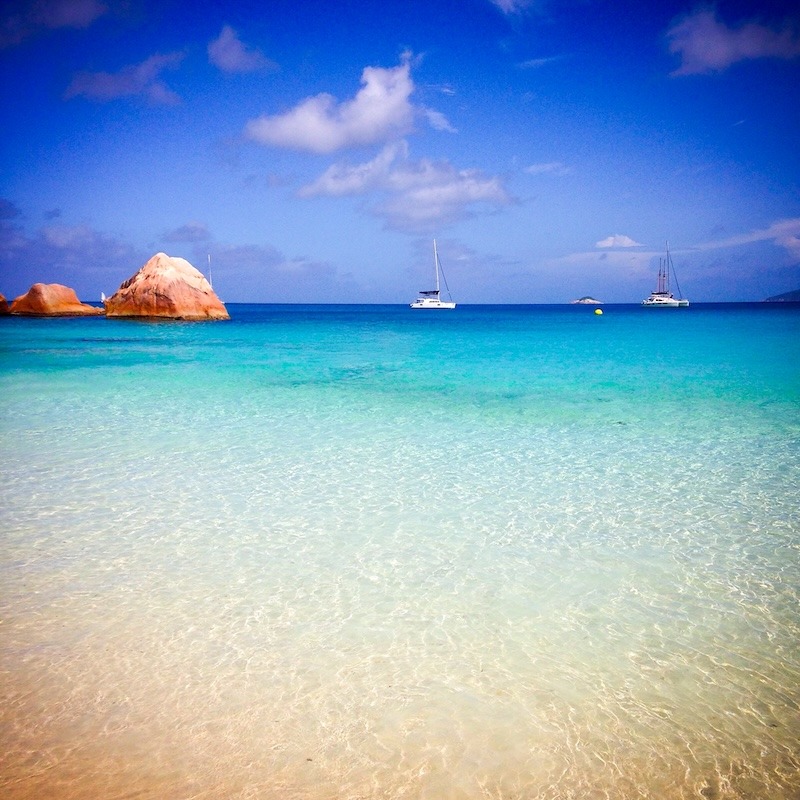
Scattered like emeralds across the Indian Ocean, the Seychelles promise sailors a dream of calm seas, steady winds, and barefoot anchorages. From coral atolls to granite peaks, this is where island-hopping becomes art. Few places on Earth blend such beauty, serenity, and sailing simplicity into one perfect horizon.
Sailing the Seychelles feels like slipping into a slower heartbeat. Lying east of Africa, these 115 islands offer a unique mix of lush jungles, crystal lagoons, and granite outcrops that rise like sculptures from the sea. Here, you can sail by sight, moor beside palm-fringed beaches, and still feel miles from anywhere.
The inner islands—Mahé, Praslin, and La Digue—are close enough for easy hops, yet each has its own soul. Mahé hums with Creole rhythm and spice markets; Praslin dazzles with the Vallée de Mai’s ancient palms; La Digue whispers old-world charm with ox carts and coral lanes. Outlying atolls like Aldabra or Amirantes reward the adventurous with untamed beauty and world-class diving.
I once watched a fruit bat glide over the mast as we anchored off Curieuse. The air smelled faintly of cinnamon from the shore. It was the sort of tiny, perfect moment that reminded me why sailors fall hard for these islands—and never quite recover.
The Inner Islands are ideal for smooth sailing—short passages, good shelter, and picture-perfect scenery. Start in Mahé, then head for Praslin, La Digue, and Curieuse. Confident crews can venture further to the Outer Islands, like Desroches or Alphonse, where untouched reefs and starlit anchorages feel almost mythical.
Ashore, you’ll find more than beaches. Wander the spice gardens of Mahé, snorkel among giant groupers at St. Anne Marine Park, or visit Praslin’s Vallée de Mai, home to the legendary coco de mer. Try Creole cuisine—grilled fish, coconut curries, and golden breadfruit. Local markets hum with colour and laughter. Life moves happily unhurried.
The Seychelles enjoy two main wind seasons. The northwest monsoon (November–April) brings gentle breezes and calm seas, perfect for relaxed cruising. The southeast trade winds (May–October) suit more experienced sailors chasing consistent wind. Temperatures hover around 27°C year-round, so it’s nearly always a fine time to hoist the mainsail and explore.
The Seychelles suit all levels. The inner islands are easy, with line-of-sight navigation, good charts, and predictable breezes. Beginners thrive here, especially with skippered support. The remote outer atolls demand skill—anchoring in deep lagoons, handling stronger trades, and self-reliance. For most sailors, though, it’s pure, gentle paradise afloat.
Expect warm trade winds between 8–20 knots, clear shallows, and vivid coral. Seas are typically calm, with brief gusts near islands. Navigation is visual—reefs and bommies require attention but reward care. Moorings and marinas are found near Mahé and Praslin; elsewhere, it’s mostly anchoring in soft sand, under stars bright enough to navigate by.
From bareboat catamarans to skippered monohulls, charter choices are plentiful. Catamarans dominate for shallow lagoon access, while crewed yachts add comfort and local flair. Flotillas are rare but growing, and day sails suit newcomers. However you cruise, the Seychelles turn even a short passage into a memory that glows long after landfall.
Fragrant air, golden light, calm seas.
From Thailand’s emerald isles to Vietnam’s limestone bays, sailing Asia is a feast for the senses—warm winds, dazzling cuisine, and culture at every anchorage. It’s where tropical sailing meets temple bells and floating lanterns. The magic here isn’t only the scenery—it’s how gently life flows with the tide.
Sailing in Asia feels like drifting through a living tapestry—each island and headland painted with colour, scent, and history. Thailand’s Andaman Sea and Vietnam’s coast reveal two sides of the same ocean: one playful and indulgent, the other quietly poetic. Both are shaped by monsoon rhythms, smiling locals, and the spice of adventure.
Thailand’s Phuket and Phang Nga Bay are pure joy under sail. Limestone cliffs soar straight from jade-green water, while fishermen in longtails wave as they pass. Vietnam’s Ha Long Bay, with its misty karsts and tranquil anchorages, invites a slower, more meditative pace. The contrast makes these waters deeply rewarding—every sail brings a new scene and a new flavour.
I once followed a glowing trail of bioluminescence into an empty cove near Krabi. The sea shimmered like a spilled galaxy. My navigation light barely flickered, but for that night, I didn’t need one—the ocean itself was shining the way home.
Thailand’s Andaman Sea is the regional jewel—Phuket, Krabi, and the Similan Islands deliver postcard-perfect cruising. Across the Gulf of Thailand, Koh Samui and Koh Tao tempt with coral gardens and easy passages. Vietnam’s Ha Long Bay and Lan Ha Bay are best explored slowly, their limestone peaks hiding calm, protected anchorages ideal for beginners or dreamers.
Go ashore for temple visits, night markets, and spicy street food. In Thailand, explore ancient Ayutthaya or the beaches of Railay. In Vietnam, take a cycling tour through rice fields or try squid fishing from your stern at dusk. Both countries overflow with history, hospitality, and the kind of sunsets that turn sceptics into sailors.
Generally, November to April brings the finest sailing weather—steady northeast winds, little rain, and calm seas. May to October marks the southwest monsoon: heavier showers but lush scenery and quieter bays. Both Thailand and Vietnam sit near the equator, so warmth is guaranteed year-round; it’s just the rhythm of the wind that changes.
Asia’s sailing grounds suit a range of experience levels. Phuket’s west coast and Ha Long Bay offer line-of-sight sailing with gentle breezes—perfect for beginners. More remote routes, like Thailand’s Similans or Vietnam’s central coast, ask for some passage planning and reef awareness. Skippered options abound, letting you learn from local expertise while soaking up the serenity.
Visit the sailing certification guide for confidence tips.
Expect warm, humid air and seas that shift from smooth to spirited with the monsoons. Navigation in the Andaman Sea is mostly straightforward—plenty of landmarks, but reefs near shore need attention. Vietnam’s bays are calm and scenic. Moorings and marinas are expanding, though traditional anchoring remains the norm—often beneath a skyline of karsts or coconut palms.
Choose your adventure: bareboat charters from Phuket for freedom, skippered yachts for local insight, or cabin cruises in Vietnam for comfort and culture. Many crews blend sailing with diving or wellness retreats. Whether aboard a catamaran or a simple sloop, the heart of Asian sailing is slow travel—savouring sea, spice, and smiles along the way.
Coral, current, calm.
From Australia’s sunlit coastlines to Tahiti’s dreamy lagoons, the South Pacific is a sailor’s masterpiece—wild, warm, and wide open. Here, distance feels like freedom, time slows to the tide, and every island greets you with a smile, a story, or a coconut.
Sailing the South Pacific is like skipping through a string of jewels scattered across an endless sea. It’s a region where traditions still breathe, trade winds still guide, and reef navigation still rewards patience. The allure isn’t just in turquoise water or swaying palms—it’s in how life feels unhurried, honest, and humbling.
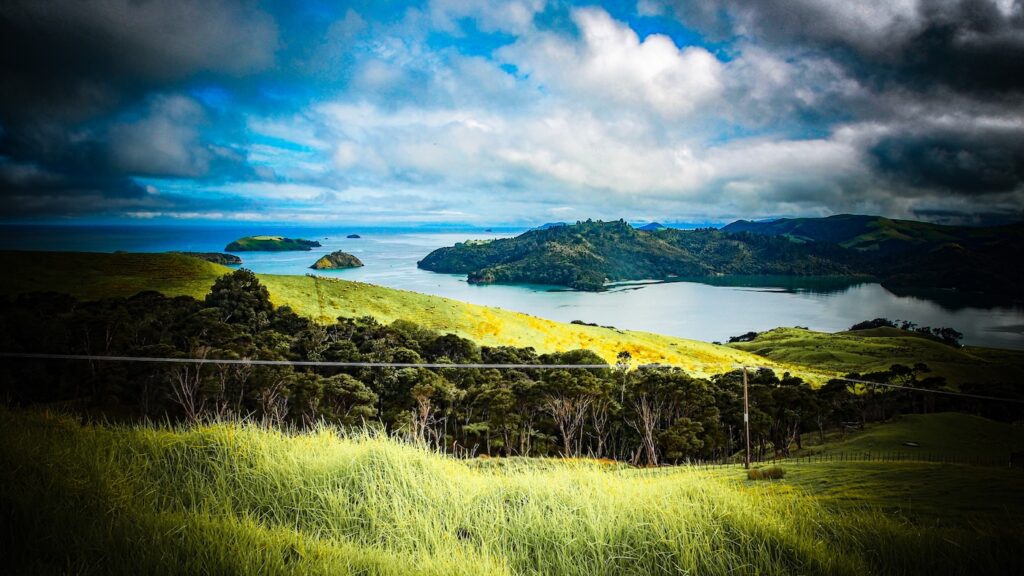
From Australia’s Whitsundays to New Zealand’s Bay of Islands, the sailing is world-class. Further east, Fiji hums with friendly harbours and coral passes, while Tahiti and her sister isles seem purpose-built for dreamers under sail. Each spot carries a flavour—Aussie practicality, Kiwi camaraderie, Fijian warmth, and French Polynesian flair.
Once, off Vava’u, I lost a lure to something that hit like a freight train. Locals later assured me it was “probably dinner for a shark.” Out here, even the fish have character. And that’s what makes the South Pacific irresistible—you’re never short of surprises, smiles, or sea stories.
Australia’s Whitsunday Islands deliver easy cruising, coral cays, and line-of-sight passages. In New Zealand, the Bay of Islands and Marlborough Sounds mix scenery with snug anchorages. Fiji shines with protected reefs and short hops, while Tahiti offers lagoon sailing framed by volcanic peaks. Together, these waters define paradise—each with its own tempo and charm.
Beyond the helm, explore lush rainforests, island villages, and coral gardens alive with turtles. Hike New Zealand’s coastal trails, dive Fiji’s Rainbow Reef, or surf Tahiti’s Teahupo’o (watch from shore if you value your ribs). In Australia, snorkel the Great Barrier Reef or join an island barbecue. Ashore, fresh seafood and local music seal the deal.
In the South Pacific, the sailing season shifts gently between hemispheres. May to October brings the most reliable weather across Fiji, Tahiti, and Australia’s east coast. New Zealand shines from December to March, with long daylight and cool nights. Plan around cyclone zones, but otherwise—there’s nearly always a trade wind waiting to carry you onward.
Sailing here suits a wide range of abilities. The Whitsundays and Bay of Islands are perfect for beginners or family crews—plenty of shelter, clear charts, and friendly marinas. Fiji and Tahiti need a touch more skill: reef awareness, tidal timing, and an eye on the weather. Confidence grows quickly here, especially with local guidance and an adventurous heart.
Visit the sailing certification guide for confidence tips.
Expect mostly steady trade winds—gentle in the mornings, brisk by afternoon. Seas are moderate, but reef navigation demands attention and daylight. Many routes are line-of-sight, though remote islands require plotting. Anchorages range from deep blue lagoons to sandy shallows. Facilities vary: modern marinas in Australia and NZ, moorings or beach landings in Fiji and Tahiti.
From easy bareboats in the Whitsundays to crewed charters among Tahitian atolls, options abound. Join a flotilla for social sailing, or book a cabin charter if you’d rather leave skippering to someone else. South Pacific charters range from rustic catamarans to luxurious monohulls—all chasing the same goal: simple joy under sail and star-filled nights.
5 FREE DOWNLOADS
Get instant access to my comprehensive Sailing Starter Kit – a total of 4 guides and aids providing everything you need to plan your first adventure on the water.
no credit cards, no catch…
Join my sailing community
No spam, ever. Unsubscribe anytime. I respect your privacy
To provide the best experiences, we use technologies like cookies to store and/or access device information. By clicking Accept you are consenting to these technologies and this will allow us to process data such as browsing behaviour or unique IDs on this site. By clicking the close button ‘X’ you will not be consenting, which may adversely affect certain features and functions.
No spam and Unsubscribe anytime. Please also refer to my Privacy Policy