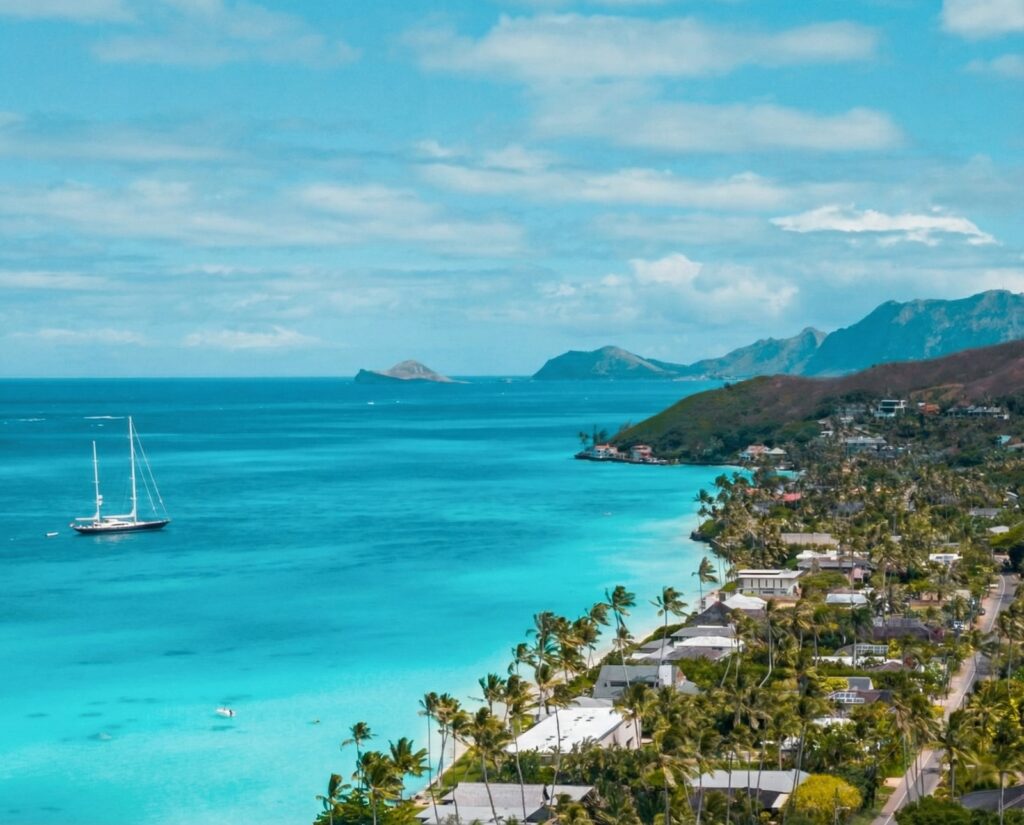
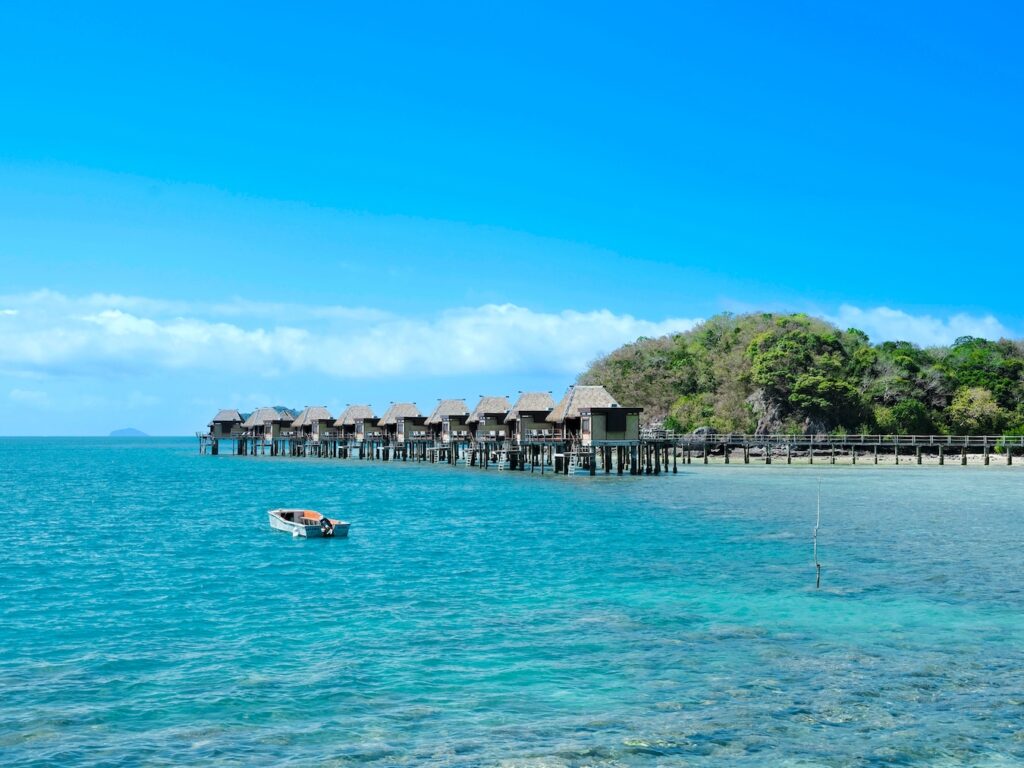
This 7-day Fiji sailing itinerary loops from Port Denarau through the Mamanuca shallows and up into the wilder Yasawa chain. Expect palm-backed anchorages, glowing Blue Lagoon water, Sawa-i-Lau caves, manta ray drifts, and easy trade-wind hops. Ideal for crews wanting warm seas, soft introductions to reef country, and proper Fijian village welcomes.
7 days
159 nautical miles
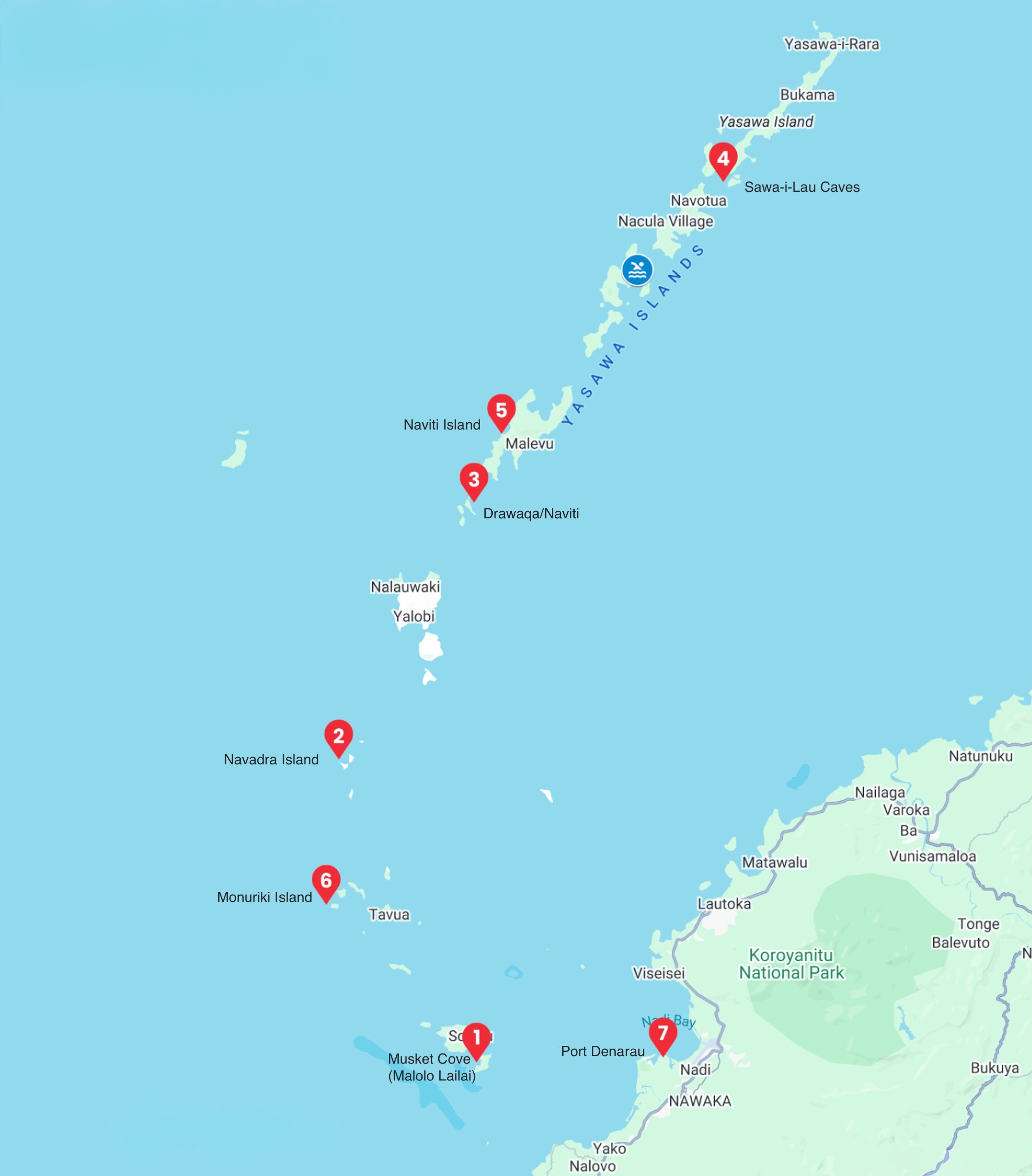
Port Denarau ➔ Musket Cove (Malolo Lailai) ➔ Navadra Island ➔ Mantaray area (Drawaqa/Naviti) ➔ Blue Lagoon (Nanuya Lailai, swim stop) ➔ Sawa-i-Lau Caves ➔ Naviti Island (near Korokulu Point) ➔ Monuriki Island ➔ Port Denarau
Highlights
A seven-day Fiji sailing itinerary linking Denarau, Mamanuca sandbars, Yasawa villages, manta rays, Blue Lagoon and Sawa-i-Lau caves.
Overview
Western Fiji really is a sailor’s playground. From Port Denarau you slide quickly into the Mamanuca Islands, where low coral cays and sandbars ease you into reef country without stress. Beyond them, the Yasawas rise in long green ridges and cliffs, their villages sitting right on the beach as if someone forgot to leave space between land and sea. This route is built to feel like a story rather than a checklist. You start with marina comforts, then step into softer resort life at Musket Cove. Navadra strips everything back to sand, stars, and the sound of your own halyards. From there you push north to the manta passage between Drawaqa and Naviti, then keep going to brush past Blue Lagoon’s white beaches before making Sawa-i-Lau Caves a proper overnight destination. On the way home you tuck in again at Naviti’s Korokulu area, then finish with a bit of movie trivia at Monuriki — the “Cast Away” island. One trip I watched a crew’s confidence grow so fast that by day four the nervous new helm was calmly dodging bommies while eating a biscuit. Fiji has a habit of turning anxious sailors into relaxed ones surprisingly quickly.
Special Gems
Fiji has a wonderful habit of offering extra layers to those who look just beyond the obvious. One overlooked gem is the chance to see traditional Fijian crafts made in small communities — particularly masi (bark cloth) printing, where natural dyes are pressed into geometric patterns that carry family and regional significance. Even a short demonstration can add a meaningful cultural thread to the trip.
Food traditions are equally rewarding. Some resorts and villages occasionally host kokoda-making evenings, where guests learn to prepare Fiji’s iconic lime-and-coconut ceviche using freshly caught fish. The process is simple but grounding, especially when paired with stories about how recipes differ between islands. You might also encounter lovo preparation, where root vegetables, fish, and chicken are wrapped in leaves and slow-cooked underground; watching the pit ceremony is half the experience.
Nature throws in its own surprises: at certain times of year, the Yasawa region sees fruit bat fly-outs at dusk, vast clouds of flying foxes sweeping from the highlands toward feeding grounds. And for those curious about storytelling, many islands hold evening meke performances — a blend of chant, percussion, and dance that celebrates ancestry, seafaring, and myth. None of these require altering your route; they’re the kinds of cultural bonuses that slip naturally into evenings along the way, enriching the voyage without asking for extra miles.
Passage Conditions & Navigation Profile
Prevailing winds are the southeast trade winds. Tidal range typically 1.1m
Read MoreLess
Weather, sea, wind considerations: The prevailing winds over the Mamanuca–Yasawa region are the southeast trade winds, typically 12–20 knots, though they may strengthen to 25+ knots especially between June and October. Seas are generally moderate inside reef-protected channels, but exposed passes may see steeper chop or swell during wind shifts or distant swells.
Level of navigation required: Navigation is mostly line-of-sight between islands using visible landmarks. However, reef edges, shallow bommies and narrow passages demand caution, especially when winds shift — charted navigation plus local knowledge is advised.
Tides and currents: Tidal range in the Yasawa Islands is modest: typical high tides around 1.3–1.5 m and lows near 0.4–0.5 m relative to mean lower low water. Currents are generally light inside protected bays, but reef-edge channels may produce noticeable flow on stronger tides or wind-driven surges — timing of entries should respect tide tables and local conditions.
Day 1 – Port Denarau to Musket Cove (Malolo Lailai)
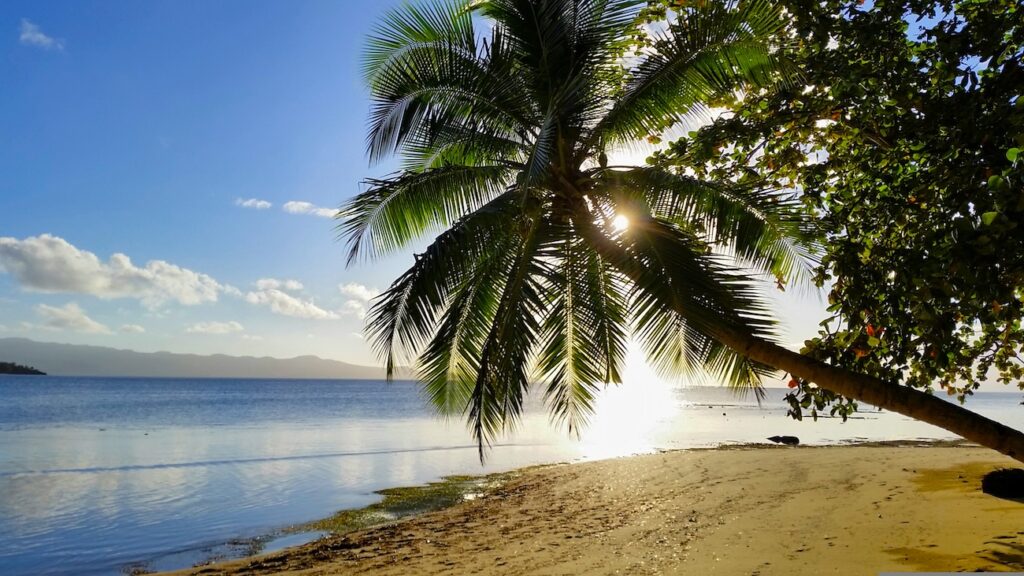
Leaving Port Denarau’s busy marina, you watch the mainland slide astern and the scattered shapes of the Mamanucas rise out of the haze. The entrance toward Malolo Lailai opens into a wide, calm lagoon with yachts swinging at moorings and low resorts tucked into palm trees. Musket Cove itself has an easy, village-marina feel: sandy paths, coconut palms leaning over the water, dinghies buzzing quietly between boats and the dock. The lagoon shows off the full palette of South Pacific blues, from pale jade over sand to deep turquoise near the reef edge. There’s enough movement and chatter to feel alive, but nothing hurried. Once tied up or settled on a mooring, you’re close to a bakery, a beach bar, and the simple pleasure of walking barefoot along the shore while your boat rocks gently in the background. It’s a reassuringly soft start to the adventure.
12 nautical miles
2hrs 30mins sailing time
LUNCH STOP:none planned
MOORING:Marina berths & mooring buoys; book ahead in peak season. Moderate pricing.
Description
Leaving Port Denarau’s busy marina, you watch the mainland slide astern and the scattered shapes of the Mamanucas rise out of the haze. The entrance toward Malolo Lailai opens into a wide, calm lagoon with yachts swinging at moorings and low resorts tucked into palm trees. Musket Cove itself has an easy, village-marina feel: sandy paths, coconut palms leaning over the water, dinghies buzzing quietly between boats and the dock. The lagoon shows off the full palette of South Pacific blues, from pale jade over sand to deep turquoise near the reef edge. There’s enough movement and chatter to feel alive, but nothing hurried. Once tied up or settled on a mooring, you’re close to a bakery, a beach bar, and the simple pleasure of walking barefoot along the shore while your boat rocks gently in the background. It’s a reassuringly soft start to the adventure.
Attractions
Musket Cove is made for easing a crew into island time. Swim straight off the beach or dinghy out to one of the sandbars that appear at lower tide, where you can paddle in ankle-deep water with only hermit crabs for company. Snorkelling around coral heads in the outer lagoon reveals parrotfish crunching noisily on the reef and colourful wrasse darting about. Paddleboards and kayaks are easy to hire, letting you explore the anchorage at your own pace. On shore, the marina complex offers a small store, café, and beach bar where sundowners tend to stretch longer than planned. If everyone’s still recovering from flights, this is a fine place for an early night after a simple dinner and a crew briefing in the cockpit. Tomorrow can be about wilderness; today is about settling in.
Cautions
Popular spot; arrive with daylight for easier berth or mooring allocation and to keep stress levels low.
Facilities
Fuel, water, power, bar, restaurants, small groceries, showers, basic medical help via resort; standard marina-style charges.
Day 2 – Musket Cove to Navadra Island
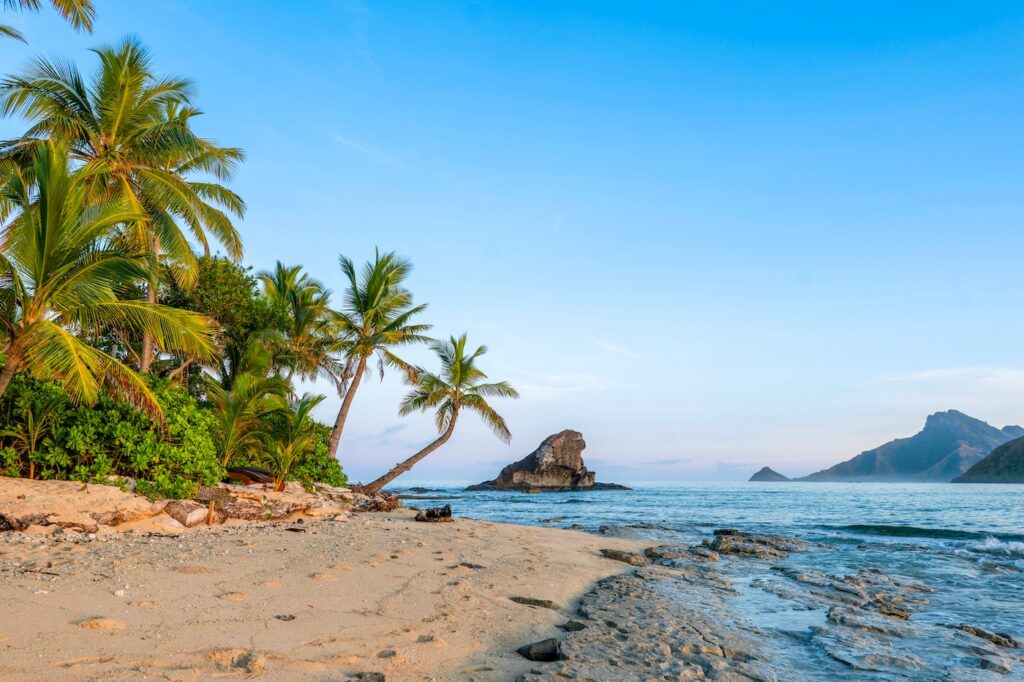
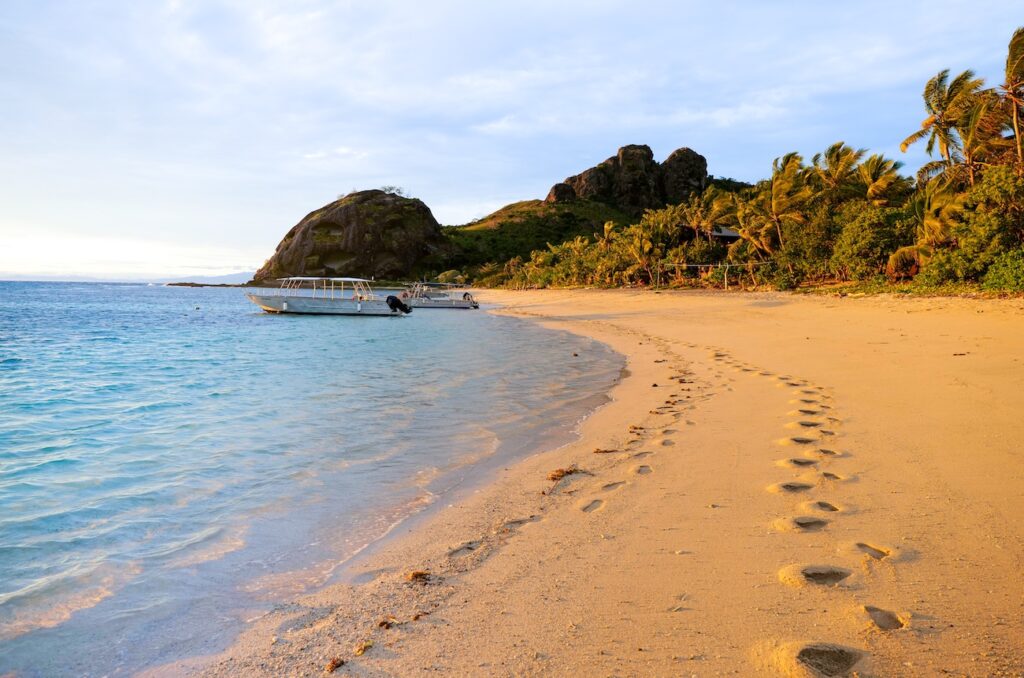
Navadra feels like someone sketched the perfect uninhabited island group and then stepped back. Low, scrub-covered hills wrap around curving strips of bright sand, with rocky points at each end of the main bay. There are no permanent buildings in sight, just beach, bush, and a few yachts lying quietly to their anchors. The water is beautifully clear; from the deck you can see sand ripples, coral heads, and occasional shadows of fish passing underneath. With no resort generators or marina hum, the soundscape shifts to wind in the rigging, gentle surf on the shore, and the occasional call of seabirds. As the sun drops, the hills turn amber and then deep purple, while stars begin to appear long before true darkness. It is, in the nicest sense, the middle of nowhere.
20 nautical miles
3hrs 30mins sailing time
LUNCH STOP:none planned
MOORING:Anchor only; sand patches with no formal infrastructure, no fees.
Description
Navadra feels like someone sketched the perfect uninhabited island group and then stepped back. Low, scrub-covered hills wrap around curving strips of bright sand, with rocky points at each end of the main bay. There are no permanent buildings in sight, just beach, bush, and a few yachts lying quietly to their anchors. The water is beautifully clear; from the deck you can see sand ripples, coral heads, and occasional shadows of fish passing underneath. With no resort generators or marina hum, the soundscape shifts to wind in the rigging, gentle surf on the shore, and the occasional call of seabirds. As the sun drops, the hills turn amber and then deep purple, while stars begin to appear long before true darkness. It is, in the nicest sense, the middle of nowhere.
Attractions
The rhythm here is simple: swim, explore, repeat. Slip over the side for a morning snorkel along the edges of the bay, where coral patches shelter small reef fish and shy invertebrates. Take the dinghy ashore to wander the beach, climb low ridges for views across the Mamanucas, and hunt for driftwood or shells. It’s a great spot to practice relaxed seamanship: launch and recover the dinghy without rushing, rehearse swim-line habits, and get everyone used to checking the anchor visually. With no bars or restaurants to tempt you away, evenings are pure cockpit time. Cook onboard, trade stories, and lie on deck watching satellites and shooting stars cross an almost absurdly bright Milky Way. Navadra often ends up being the anchorage people talk about years later.
Cautions
Exposed to weather shifts; monitor forecast and be ready to move if swell or wind angle becomes uncomfortable.
Facilities
No services ashore: bring all water, food, fuel, and medical supplies; it’s a true wilderness stop.
Day 3 – Navadra Island to Mantaray area (Drawaqa/Naviti)
Heading north from Navadra, the Yasawa chain begins to assert itself. Hills climb higher, coastlines stretch longer, and by the time you reach the Mantaray area between Drawaqa and southern Naviti, the landscape feels wild yet welcoming. The anchorage usually lies near sandy beaches backed by palms and low-key eco resorts, with steep slopes rising quickly behind. From your cockpit you can see the nearby reef edges where water colour shifts sharply from pale turquoise to deep blue, hinting at the drop-offs below. Small dive and snorkel boats move in and out of the channel, shuttling guests to the manta ray cleaning station and other nearby sites, but the overall mood remains relaxed. In the late afternoon the hills cast long shadows across the anchorage, and the mix of resort lights and anchor lamps gives everything a soft, lantern-lit atmosphere.
21 nautical miles
4hrs sailing time
LUNCH STOP:none planned
MOORING:Anchor & some resort moorings; fees paid to the resort/local operator.
Description
Heading north from Navadra, the Yasawa chain begins to assert itself. Hills climb higher, coastlines stretch longer, and by the time you reach the Mantaray area between Drawaqa and southern Naviti, the landscape feels wild yet welcoming. The anchorage usually lies near sandy beaches backed by palms and low-key eco resorts, with steep slopes rising quickly behind. From your cockpit you can see the nearby reef edges where water colour shifts sharply from pale turquoise to deep blue, hinting at the drop-offs below. Small dive and snorkel boats move in and out of the channel, shuttling guests to the manta ray cleaning station and other nearby sites, but the overall mood remains relaxed. In the late afternoon the hills cast long shadows across the anchorage, and the mix of resort lights and anchor lamps gives everything a soft, lantern-lit atmosphere.
Attractions
This stop is all about reef life and, in season, manta encounters. Local operators run snorkel trips into the pass between Drawaqa and Naviti, where manta rays glide through the current while smaller fish clean them. Drifting quietly above these huge, graceful creatures is often a defining moment of a Fiji sailing itinerary. When mantas aren’t present, there is still excellent snorkelling and diving along nearby drop-offs and coral gardens. On land, resorts offer day passes, allowing access to sun loungers, bars, and buffets, which can be welcome after wilder nights at anchor. Short hikes up behind the beach reveal views along the Yasawa chain, with islands stepping away into the distance like a scattered necklace. Evenings tend to involve guitars, kava, and easy conversation — a nice balance between solitude and sociability.
Cautions
Currents in the manta passage can be strong; always follow guide instructions and keep a safe distance from wildlife to protect both rays and snorkellers.
Facilities
Resort dining, basic water top-ups, limited power access, tiny shops if any, and simple first-aid; plan major fuel and provisioning for Denarau and Musket Cove.
Day 4 – Mantaray area to Sawa-i-Lau
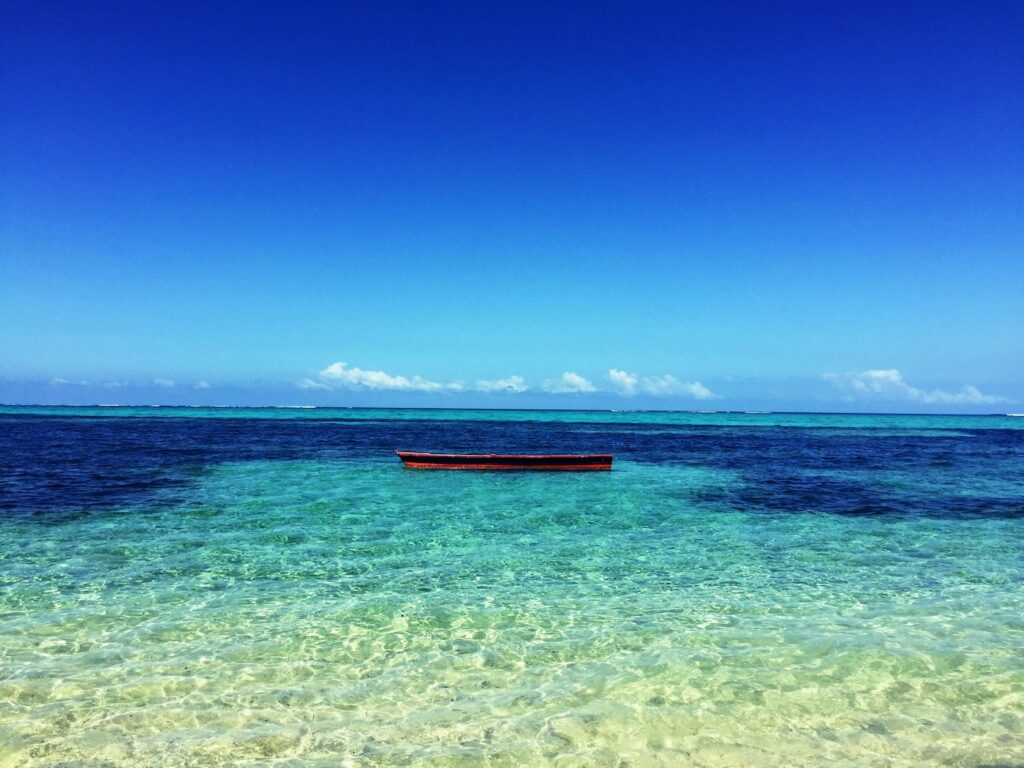
Today’s leg links two of the Yasawas’ most famous names. You leave the Mantaray area and track north toward Nanuya Lailai, where Blue Lagoon lives up to the postcard images: long white beach, coconut trees, and startlingly clear water. You’ll pause here at midday, anchoring for a swim and lunch in that luminous bay before continuing a short hop further north to Sawa-i-Lau. As you arrive, the coastline changes character. Instead of gentle beaches, you see steep limestone and volcanic formations rising sharply from the sea, with small villages tucked into the bays. The anchorage near Sawa-i-Lau sits close to the island’s distinctive domed hill, whose interior hides the famous caves. Boats swing to anchor in clear water, while ashore you’ll notice simple houses, colourful skiffs, and the bustle of everyday life. It feels like you’ve reached the heart of the Yasawas.
27 nautical miles
4hrs 30mins sailing time
LUNCH STOP:Blue Lagoon swim stop
MOORING:Anchor in sand with local guidance.
Description
Today’s leg links two of the Yasawas’ most famous names. You leave the Mantaray area and track north toward Nanuya Lailai, where Blue Lagoon lives up to the postcard images: long white beach, coconut trees, and startlingly clear water. You’ll pause here at midday, anchoring for a swim and lunch in that luminous bay before continuing a short hop further north to Sawa-i-Lau. As you arrive, the coastline changes character. Instead of gentle beaches, you see steep limestone and volcanic formations rising sharply from the sea, with small villages tucked into the bays. The anchorage near Sawa-i-Lau sits close to the island’s distinctive domed hill, whose interior hides the famous caves. Boats swing to anchor in clear water, while ashore you’ll notice simple houses, colourful skiffs, and the bustle of everyday life. It feels like you’ve reached the heart of the Yasawas.
Attractions
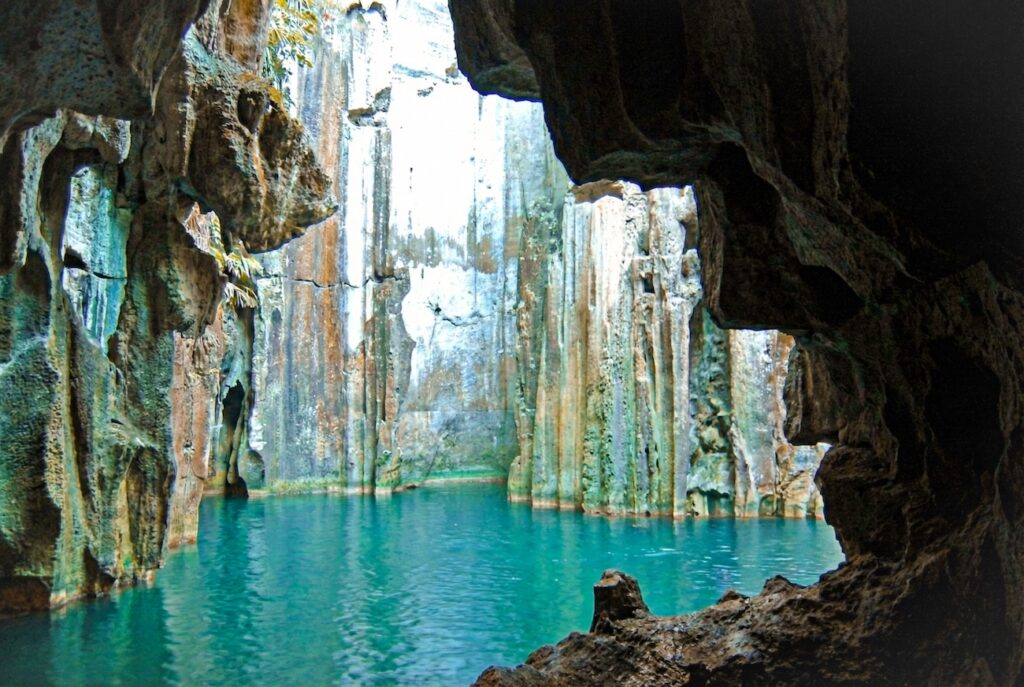
Midday at Blue Lagoon is for pure pleasure: swim off the boat, snorkel over sandy patches with coral heads, or paddle to the edge of the beach to stretch your legs on the sand. After lunch you raise anchor and sail the short distance to Sawa-i-Lau Caves, where local guides take you into limestone caverns filled with cool, clear seawater pools and shafts of light from above. Depending on conditions, confident swimmers may explore a second, darker chamber reached through a short, guided underwater passage. Back outside, you can visit the nearby village respectfully, buy simple handicrafts, or just sit in the cockpit watching the cliffs change colour as the sun lowers. This is also a good moment for a quieter crew evening, sharing stories about the caves and listening to the sounds of village life drifting across the water. Cave entrance fees & customary contributions for village access are normally paid ashore in cash
Cautions
Follow cave guides closely, especially if attempting inner chambers; weaker swimmers should use flotation, and visits are best timed for suitable tides and calmer conditions.
Facilities
Very limited shops, basic water at best, no fuel, and minimal medical support; arrive well supplied and rely primarily on your own stores and first-aid kit.
Day 5 – Sawa-i-Lau to Naviti Island (near Korokulu Point)
Leaving Sawa-i-Lau’s cliffs astern, you begin to trace your way back down the Yasawa chain, this time aiming for an anchorage near Korokulu Point on Naviti Island. The sail south gives generous views of the islands stepping away in both directions, with villages, beaches, and headlands revealing themselves as you pass. Around Korokulu, the coastline folds into bays backed by steep, forested hills, with small clearings and houses visible near the shore. Anchorage options typically offer a mix of sandy patches and deeper blue water, with reef structures providing colour and some shelter from swell. It feels quieter than the manta-resort hub to the south, but not as remote as Navadra. From the cockpit you may see fishing boats working close inshore, children playing on the beach, and smoke from evening cook fires curling up the slopes as daylight fades.
22 nautical miles
4hrs sailing time
LUNCH STOP:none planned
MOORING:Anchor in sand, some reef patches; no formal moorings, small local fees directly with villagers.
Description
Leaving Sawa-i-Lau’s cliffs astern, you begin to trace your way back down the Yasawa chain, this time aiming for an anchorage near Korokulu Point on Naviti Island. The sail south gives generous views of the islands stepping away in both directions, with villages, beaches, and headlands revealing themselves as you pass. Around Korokulu, the coastline folds into bays backed by steep, forested hills, with small clearings and houses visible near the shore. Anchorage options typically offer a mix of sandy patches and deeper blue water, with reef structures providing colour and some shelter from swell. It feels quieter than the manta-resort hub to the south, but not as remote as Navadra. From the cockpit you may see fishing boats working close inshore, children playing on the beach, and smoke from evening cook fires curling up the slopes as daylight fades.
Attractions
This is a day to enjoy a slightly slower pace after the excitement of the caves. Once anchored, swimming off the boat or paddling along the shoreline will stretch legs that have spent the morning at the helm. Snorkelling along nearby reef edges reveals another set of coral gardens and fish life, usually with far fewer people than the manta passage. If appropriate and invited, a short, respectful village visit can offer another glimpse into daily Yasawa life, often quite different in rhythm from the more tourist-focused stops. Ashore, small tracks lead up into the hills where you can gain views back toward the manta channel and across to neighbouring islands. Evenings are wonderfully simple: a quiet dinner onboard, the sound of distant voices, and the steady tug of the trades holding you on anchor.
Cautions
Check charts carefully for reef fingers and bommies near Korokulu; enter and set anchor in good light, and allow enough scope for changing trade-wind strength overnight.
Facilities
Very limited supplies: tiny village shops at best, no fuel or formal medical facilities, so continue to treat the Yasawa segment as largely self-sufficient cruising.
Day 6 – Naviti Island (Korokulu) to Monuriki Island
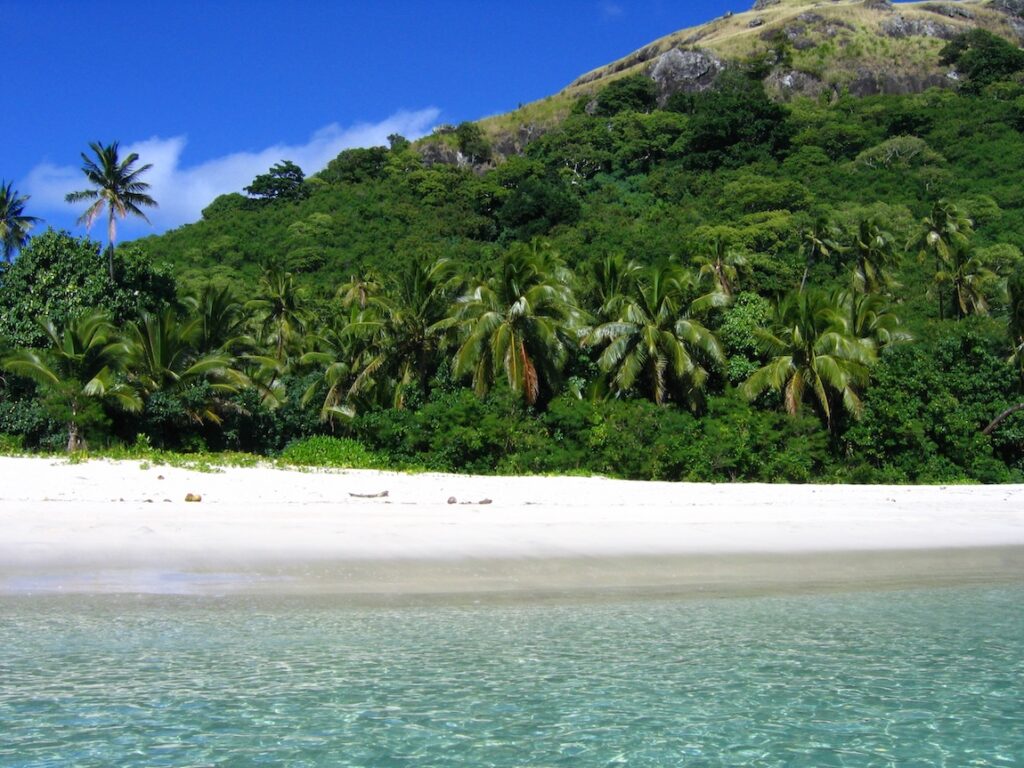
Leaving the Korokulu anchorage, you slide south along the Yasawa chain before making a short detour to Kuata Island, an ideal midday stop with bright turquoise water and sandy patches in an easy, open anchorage. Low hills frame long beaches, while coral gardens scatter the shoreline in clear, shallow water. After lunch and a swim, you continue to Monuriki, whose steep, rugged profile rises sharply from the sea. White sand arcs around the island’s base, with palms leaning over the shoreline and rocky slopes providing a dramatic backdrop. From the anchorage the water gleams in vibrant layers of blue, and during quieter hours Monuriki feels wonderfully remote despite its movie-famous past. Evening light paints the cliffs gold, and the view from your cockpit has a touch of classic castaway romance.
34 nautical miles
6hrs sailing time
LUNCH STOP:Kuata Island (South Yasawas)
MOORING:Anchor only at both Kuata & Monuriki; sand patches amid coral, occasional landing fees at Monuriki.
Description
Leaving the Korokulu anchorage, you slide south along the Yasawa chain before making a short detour to Kuata Island, an ideal midday stop with bright turquoise water and sandy patches in an easy, open anchorage. Low hills frame long beaches, while coral gardens scatter the shoreline in clear, shallow water. After lunch and a swim, you continue to Monuriki, whose steep, rugged profile rises sharply from the sea. White sand arcs around the island’s base, with palms leaning over the shoreline and rocky slopes providing a dramatic backdrop. From the anchorage the water gleams in vibrant layers of blue, and during quieter hours Monuriki feels wonderfully remote despite its movie-famous past. Evening light paints the cliffs gold, and the view from your cockpit has a touch of classic castaway romance.
Attractions
Kuata makes a perfect crew reset: swim straight off the boat, snorkel over shallow coral heads where colourful reef fish fuss around the bommies, or simply float in warm, calm water. After lunch you sail on to Monuriki for the afternoon, where you can land by dinghy to explore the beach, follow simple trails into the island’s interior, and find viewpoints back across the Mamanucas. Snorkelling reveals coral heads, rays drifting over sandy patches, and bright reef life weaving around the structure. Film fans enjoy spotting Cast Away reference points, while others simply enjoy beach time, shell collecting, or a final transom swim. As the sun sets, Monuriki becomes a serene backdrop for an onboard dinner.
Cautions
Kuata and Monuriki attract day boats; visit early or late for quieter conditions. Watch depths closely at both stops due to coral heads.
Facilities
No facilities at Kuata or Monuriki—no fuel, water, power, shops, or medical care—so rely entirely on your vessel’s supplies.
Day 7 – Monuriki Island to Port Denarau
The final day closes the loop on your Fiji sailing itinerary. Leaving Monuriki’s cliffs and beaches astern, you thread back through the Mamanuca group toward Viti Levu. Islands you sailed past earlier in the week slide by in reverse order, giving a pleasant sense of déjà vu with a little more confidence this time. As you near the mainland, the profile of Port Denarau emerges: resort buildings, palm-lined waterfronts, and a growing forest of masts and ferry wakes. Entering the marina feels like returning to a small floating town, with neatly lined pontoons, restaurants along the boardwalk, and golf carts ferrying luggage. After nights at anchor, the stillness of a solid berth and the promise of hot showers feel unexpectedly luxurious. There’s a gentle buzz here that makes it easier to transition from island time back to something resembling normal life.
23 nautical miles
4hrs 30mins sailing time
LUNCH STOP:none planned
MOORING:Marina berths, alongside or stern-to; advance booking is strongly recommended, commercial rates
Description
The final day closes the loop on your Fiji sailing itinerary. Leaving Monuriki’s cliffs and beaches astern, you thread back through the Mamanuca group toward Viti Levu. Islands you sailed past earlier in the week slide by in reverse order, giving a pleasant sense of déjà vu with a little more confidence this time. As you near the mainland, the profile of Port Denarau emerges: resort buildings, palm-lined waterfronts, and a growing forest of masts and ferry wakes. Entering the marina feels like returning to a small floating town, with neatly lined pontoons, restaurants along the boardwalk, and golf carts ferrying luggage. After nights at anchor, the stillness of a solid berth and the promise of hot showers feel unexpectedly luxurious. There’s a gentle buzz here that makes it easier to transition from island time back to something resembling normal life.
Attractions
Once secure in the marina, the focus shifts from exploring to unwinding. Tidy up the boat, then reward the crew with proper coffees, ice creams, or something stronger at one of the waterfront venues. The boardwalk area makes souvenir hunting painless, from handicrafts to island-themed clothing. Nearby resorts offer spa treatments and pools if you have extra time before flights. It’s also the perfect chance for a relaxed debrief: talk through favourite anchorages, things you’d do differently next time, and ideas for a longer loop. If your schedule allows one last night aboard, a simple dinner in the cockpit watching the marina lights can be a surprisingly satisfying way to say goodbye to Fiji — for now.
Cautions
Harbour approaches are busy with ferries and tour boats; maintain a sharp lookout, monitor radio channels, and manoeuvre carefully in tight marina fairways.
Facilities
Full-service hub: fuel, water, shore power, laundry, supermarkets, restaurants, medical clinics, pharmacies, taxis, and transfer services available within easy walking distance.
Facilities Summary
Stop
Water
Fuel
Power
Groceries
Restaurants
Medical/Pharmacy
Port Denarau
✅
✅
✅
Large
Many
Full services
Musket Cove (Malolo Lailai)
✅
✅
✅
Small
Several
Basic via resort
Navadra Island
⚪
⚪
⚪
⚪
⚪
⚪
Mantaray area (Drawaqa/Naviti)
Limited
⚪
Limited
Very small
Eco-resort dining
Basic first aid
Sawa-i-Lau Caves
Limited
⚪
⚪
Very small
Informal/local options
Very limited
Naviti Island (Korokulu area)
Limited
⚪
⚪
Very small
Occasional local options
Minimal
Monuriki Island
⚪
⚪
⚪
⚪
⚪
⚪
Consider the Reverse Route
Running this Fiji sailing itinerary in the direction, as described, gives a gentle but satisfying build. You warm up with short hops and solid support at Denarau and Musket Cove, then taste wilderness at Navadra before committing to the longer Yasawa reach toward the manta passage. Blue Lagoon and Sawa-i-Lau arrive once everyone is comfortable with reef colours and anchoring routines, so the caves feel like a highlight rather than a hard-won prize. The return via Naviti and Monuriki then steps you gradually back toward busier Mamanuca waters and eventually the marina. Reversing the route is absolutely possible, but shifts the feel. Leaving Denarau and heading straight to Monuriki, then up through Naviti to Sawa-i-Lau, puts longer open-water legs and more reef work earlier in the trip, before crew habits are fully bedded in. A counterclockwise run might suit experienced crews chasing particular tide or wind patterns, or those wanting manta season to fall on specific dates. For most mixed-experience groups, though, this clockwise version keeps the difficulty curve pleasantly smooth: easy starts, adventurous middle, reflective run home — the way a good voyage story should unfold.
Support Aids
Whether chartering or welcoming friends onboard your own yacht, these FREE KiwiSailor aids will come in handy and help ease your preparations ….meaning the first drink on this journey is so much more enjoyable:
There are so many variables to consider when planning an itinerary and estimating sailing times and distances, so one needs to appreciate that these are an estimate only.
Read MoreLess
Planned Stopping Locations
As they say, you always plan to ‘sail toward’ and not ‘sail to’, as something unplanned could happen. So one should also consider a ‘bolt-hole’ (a sheltered location where a you can find refuge from bad weather for example). I have not planned for these as there are naturally many variables and options to allow for. So look ahead in the plan and always keep an eye on the weather.
Sailing Distance
I use a planning method that adds a safety margin and thus produces a distance, which tends to be 10–20% longer than charted straight-line or optimised-tool calculations. Assuming:
clearing headlands
tacking angles in light wind
staying outside rocky headlands/fringes
not hugging the coastline
Sailing Time
Sailing time is obviously a function of distance and speed, and again speed can vary considerably. My approach here assumes:
round to the nearest 30 mins
relatively clean hull
a cruising speed of 6 knots, which provides small allowances for:
leaving and entering harbours (but ignore berthing or for example anchoring drop/retrieval time)
trimming sails
occasional lulls
motor sailing if wind is too light to maintain 6 knots
Ultimately my approach is to allow for “steady” sailing as you would normally on vacation, rather than sporty Saturday racing at the local club.
To provide the best experiences, we use technologies like cookies to store and/or access device information. By clicking Accept you are consenting to these technologies and this will allow us to process data such as browsing behaviour or unique IDs on this site. By clicking the close button ‘X’ you will not be consenting, which may adversely affect certain features and functions.
Functional
Always active
The technical storage or access is strictly necessary for the legitimate purpose of enabling the use of a specific service explicitly requested by the subscriber or user, or for the sole purpose of carrying out the transmission of a communication over an electronic communications network.
Preferences
The technical storage or access is necessary for the legitimate purpose of storing preferences that are not requested by the subscriber or user.
Statistics
The technical storage or access that is used exclusively for statistical purposes.The technical storage or access that is used exclusively for anonymous statistical purposes. Without a subpoena, voluntary compliance on the part of your Internet Service Provider, or additional records from a third party, information stored or retrieved for this purpose alone cannot usually be used to identify you.
Marketing
The technical storage or access is required to create user profiles to send advertising, or to track the user on a website or across several websites for similar marketing purposes.