Rainbow Reef & Taveuni Island
Rainbow Reef & Taveuni Island
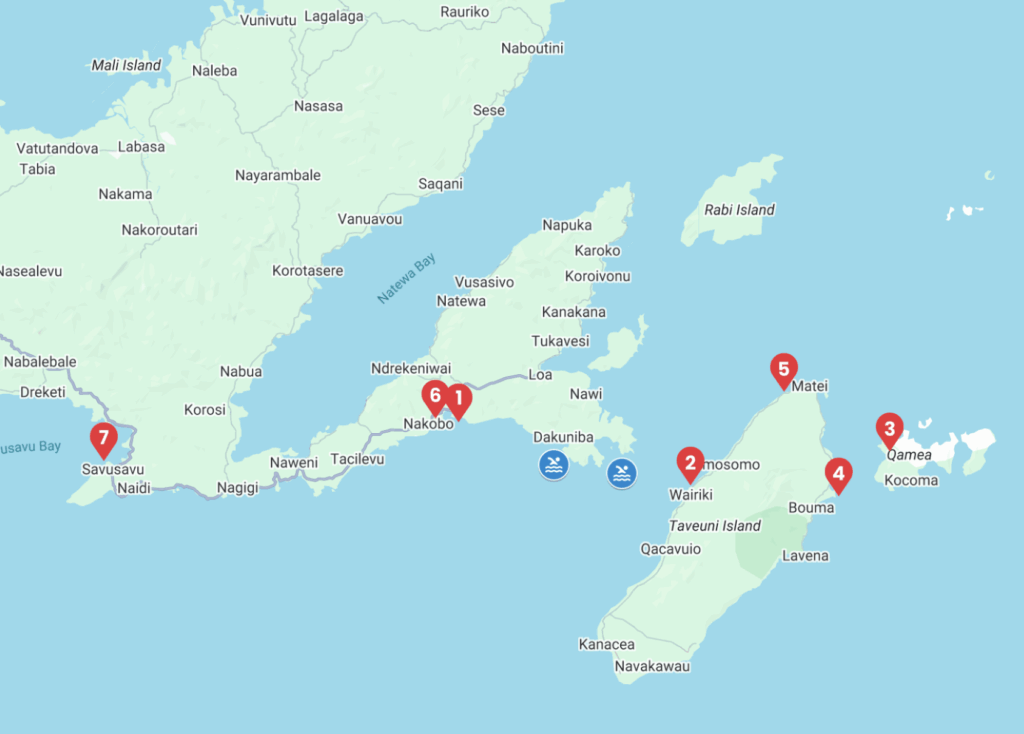
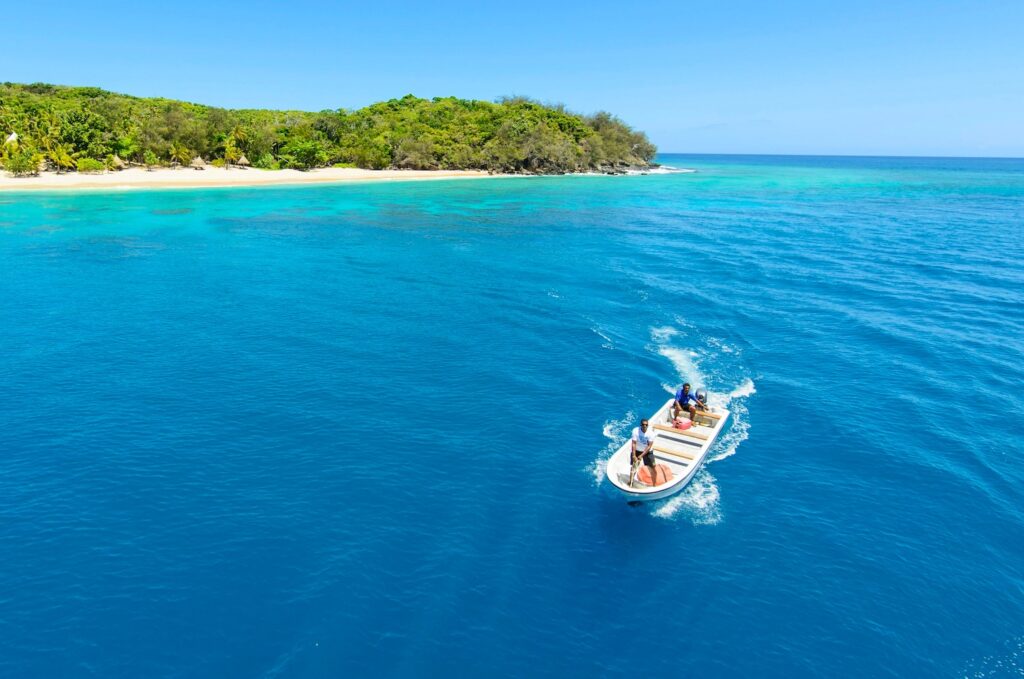
This Rainbow Reef sailing route links Savusavu’s snug harbour with Taveuni’s waterfalls, Lavena’s wild shoreline, Qamea’s calm bays, and community-run Waitabu Marine Park. Expect short to medium passages, soft-coral snorkelling, warm villages, and easy provisioning at each end, with one slightly longer day to keep things pleasantly adventurous.
7 days
147 nautical miles
Savusavu ➔ Fawn Harbour – Nakobo ➔ Wairiki (Taveuni Island) ➔ Namata Bay (Qamea) ➔ Waitabu Marine Park ➔ Matei ➔ Fawn Harbour ➔ Savusavu
Highlights
A relaxed Rainbow Reef sailing voyage from Savusavu, weaving through Taveuni, Qamea, and village-run marine parks and waterfalls.
Overview
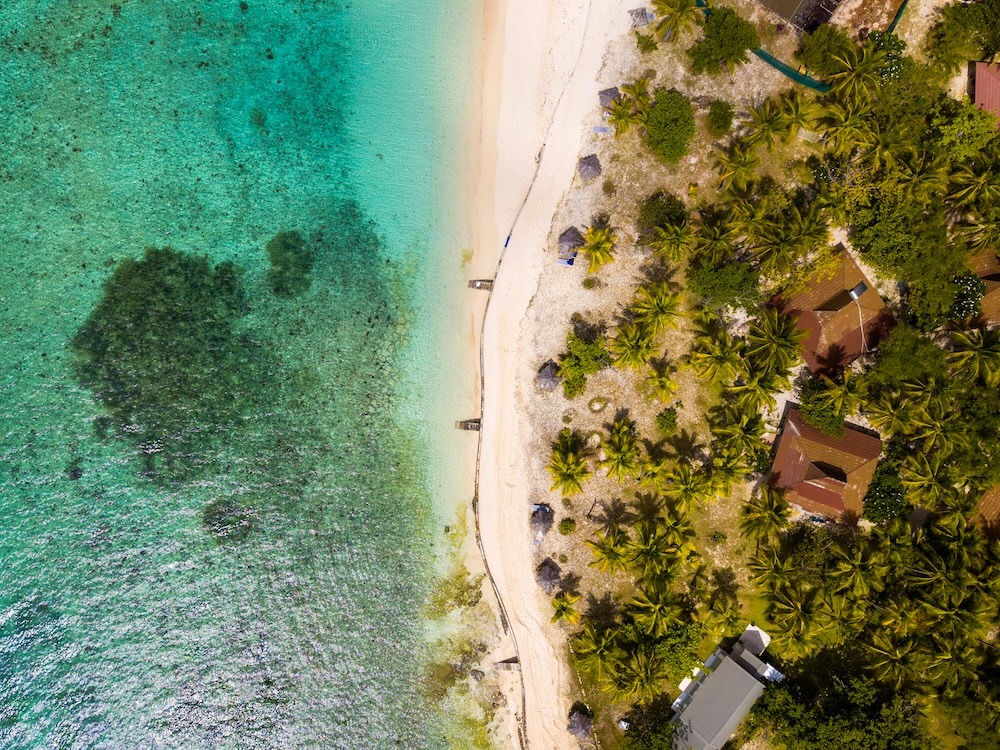
Sailing between Savusavu, Taveuni, and Qamea feels like working along the edge of a living reef garden. You start in Nakama Creek, where masts sway gently off Savusavu’s waterfront, then head out past Vanua Levu’s green ridges into a maze of channels, islands, and passes that all seem to point toward Rainbow Reef. The big draw here is that contrast: quiet, protected anchorages by night, and lively, current-swept coral by day. Taveuni itself is known as the “Garden Island” for good reason. Steep volcanic slopes, waterfalls dropping through rainforest, and a coastline that still feels natural rather than manicured. On one visit I misjudged how much time I’d need for a waterfall walk and ended up hitching a ride back with a farmer and a tray of taro. Not my tidiest planning, but the chat was worth it. For sailors, the charm lies in the scale. Distances are modest, yet the scenery shifts constantly. You’ll move from the mangroves of Fawn Harbour to the open feel of Somosomo Strait, from Qamea’s white-sand bays to the village welcome at Waitabu, with Rainbow Reef sailing sessions tying it all together.
Special Gems
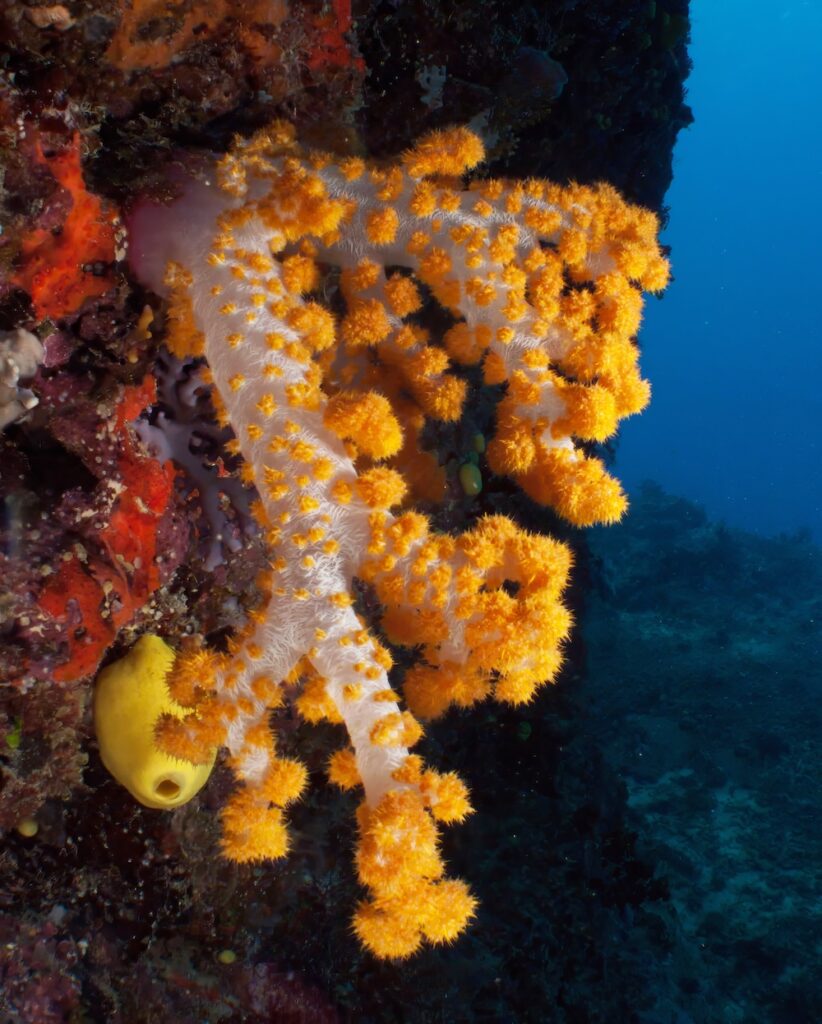
Several highlights sit just off the core overnight list but fit neatly within this voyage. Rainbow Reef itself deserves top billing. Working with local dive and snorkel operators, you can time visits to the Great White Wall and other sites for optimum current and soft-coral displays, turning good Rainbow Reef sailing days into great underwater ones.
Bouma National Heritage Park is another standout. The Tavoro waterfalls track gives you three separate falls, forest rich with birdlife, and cool pools that feel even better after a warm walk. The Lavena Coastal Walk, running along Taveuni’s wilder eastern shore, combines beaches, river crossings, and a final swim at Wainibau Falls; it’s worth checking current track conditions and river levels before setting out.
Korolevu Island, sitting off Taveuni’s west coast, is ideal for a dinghy or kayak circuit on a settled day between dives. Quiet beaches and clear water reward slow exploring.
For any guided trips, national park access, or marine park tours, confirm schedules and requirements for the current year, as local operations and opening days can shift with weather, demand, and community needs.
Day 1 – Savusavu to Fawn Harbour – Nakobo
34 nautical miles
6hrs sailing time
LUNCH STOP:none planned
MOORING:Anchor in Fawn Harbour near Nakobo; no formal moorings or posted fees, seek village guidance.
Description
Savusavu eases you into the voyage. Moorings and marinas line the sheltered creek, with forested hills wrapping around nearly three sides. Clearing away from the waterfront, you slip past small villages and low headlands before the land opens toward the east. The feeling changes from town bustle and café chatter to a quieter, more rural coastline. Approaching Fawn Harbour, the scenery closes in again. Mangroves fringe much of the shoreline, with narrow inlets and creeks cutting into the land. Nakobo sits tucked on the western side, a small settlement with wooded slopes behind. Once the anchor is down, the mood is peaceful rather than dramatic: birds in the trees, a few houses ashore, and long, calm stretches of water that invite an evening paddle. On a still night, the reflections of the hills often lie almost unbroken across the bay.
Attractions
This first day is about shaking down and settling into the boat, so most of the interest lies close by. Use the time to check gear, test the dinghy, and explore the shoreline. A slow dinghy trip along the mangroves often reveals kingfishers, herons, and small fish flickering at the surface. If you’ve arrived earlier in the afternoon, a short stroll ashore near Nakobo offers a look at everyday village life: school grounds, small gardens, and the easy rhythm of an outer-lying Fijian community. Always ask permission before wandering through the village and dress modestly; a simple “bula” and a smile go a long way. Fishing can be productive outside the reef here, though you’ll want to respect local restrictions closer in. Many crews treat Fawn Harbour as a gentle warm-up before heading toward Rainbow Reef sailing waters and more intense snorkelling days.
Cautions
Fringing reefs and shoals; enter in good light using updated charts and satellite imagery, avoid low-tide eyeball guesses.
Facilities
No fuel or shops; very limited groceries in villages. Treat as remote anchorage and arrive fully provisioned.
Day 2 – Fawn Harbour – Nakobo to Wairiki / Tavuki
17 nautical miles
3hrs sailing time
LUNCH STOP:Dolphin Bay
MOORING:Anchor off Wairiki/Tavuki in settled conditions; arrange any resort moorings near Dolphin Bay directly in advance.
Description
Leaving Fawn Harbour you track along Vanua Levu’s coast before the land falls away and the channel widens toward the Somosomo Strait. The shapes of Taveuni’s ridgeline and valleys start to sharpen ahead, its spine running like a dark green wall in the distance. On clear days, clouds often hang over the high ground while the water stays bright beneath. As you close Taveuni, the coastline grows more detailed: small headlands, beaches, and the occasional jetty. Wairiki and Tavuki sit on the central western side, facing across to Rainbow Reef and Qamea. The anchorage area has an open feel, with views back across the strait and plenty of sky. If you pause near Dolphin Bay as an option, the sense is more intimate, with a resort tucked against the shore and reefs curving nearby. Both areas feel like gateways into the reef and waterfall country beyond.
Attractions
From Wairiki, you have a practical base for exploring central Taveuni and the Somosomo side of Rainbow Reef. Dive and snorkel operators in this zone often run trips to sites like the Great White Wall and other soft-coral pinnacles, timing the runs with the currents for the best colour. It’s worth booking ahead, especially in drier-season months. On land, the Catholic mission at Wairiki is a local landmark, and the road north and south links to small villages and viewpoints over the strait. A short taxi ride opens up more options, including access to Bouma National Heritage Park and the Tavoro waterfalls later in the voyage if you decide to shuffle your inland day. If you choose the Dolphin Bay option for the night, the focus leans more toward relaxed snorkelling and a resort-style shore visit, rather than larger village life.
Cautions
Reef patches and bommies near Taveuni coast; avoid tight approaches in poor light or strong onshore winds.
Facilities
Limited village stores nearby; basic supplies only. No fuel dock here—plan refuelling around Savusavu.
Day 3 – Wairiki / Tavuki to Namata Bay (Qamea)
19 nautical miles
3hrs 30mins sailing time
LUNCH STOP:none planned
MOORING:Anchor in Namata Bay; no set moorings or published fees. Offer sevusevu (small offering) and follow local guidance.
Description
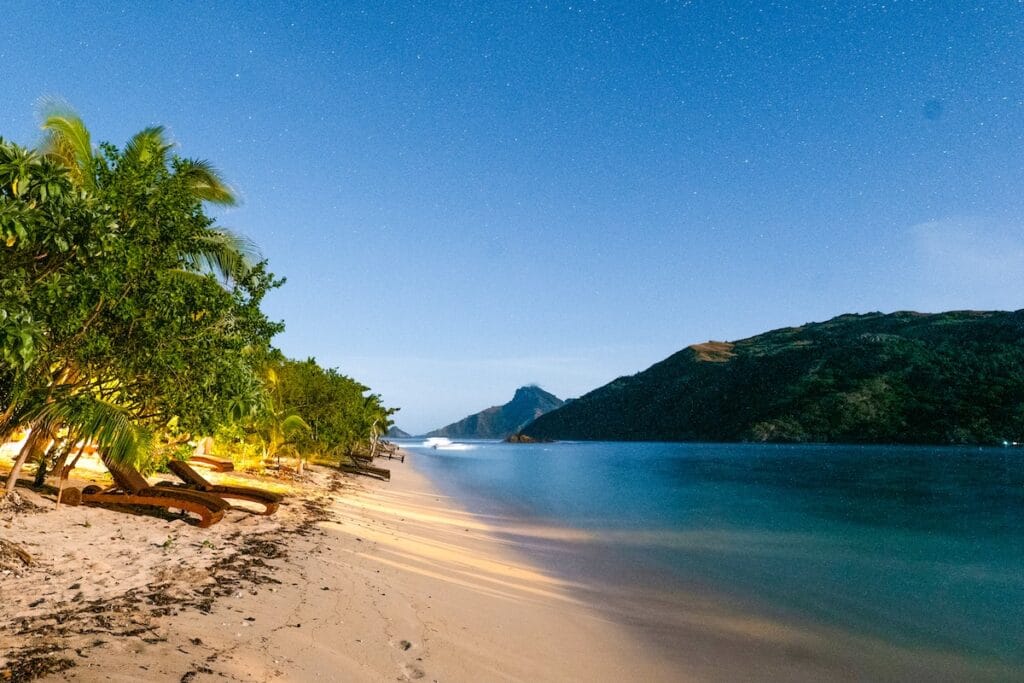
The hop to Qamea feels like a small crossing rather than a simple coastal shuffle. Leaving Taveuni’s western shore, you head across the strait toward a lower, softer profile of land. Qamea’s hills are gentler than Taveuni’s central ridge, and the coastline is scalloped with bays and beaches. Namata Bay itself is known for calm water and a sense of being tucked away behind sheltering points and reefs. Once anchored, you’ll usually sit with good protection from the trades, surrounded by green slopes and a narrow beach at the head of the bay. The water often lies glassy early and late in the day, with reef patches visible through clear shallows. One of the quiet pleasures here is simply watching the light change on the hills and the gentle comings and goings of village life ashore, with far fewer boats than in more developed areas.
Attractions
Namata Bay is as much about people as it is about scenery. Visiting crews often mention the welcome from local families, who sometimes invite visitors to sign guest books or join for a simple kava session. Always ask permission before landing and bring a small sevusevu gift such as yaqona when appropriate. In the water, the bay and nearby coastline suit easy snorkelling. You’ll find fringing reefs, coral heads, and sand patches that let you mix shallow exploring with slightly deeper sections. A slow paddle by dinghy or kayak along the shoreline reveals more beaches and small points, many of them empty. Inland, informal tracks lead up into the village and surrounding hills. They’re not marked hiking routes as such, but a guided wander with a local can offer views back across to Taveuni and Rainbow Reef sailing grounds, giving a nice sense of where you’ve come from.
Cautions
Bommies and shoals inside the bay; enter slowly in good overhead sun, favouring eyeball navigation.
Facilities
No fuel, power, or formal shops. Occasional village produce only; treat as unserviced anchorage.
Day 4 – Namata Bay (Qamea) to Waitabu Marine Park (Taveuni)
6 nautical miles
1hr 30mins sailing time
LUNCH STOP:none planned
MOORING:Anchor off Waitabu village in settled conditions; arrange marine park tours and access directly with local coordinators.
Description
Today’s short leg brings you back across to Taveuni’s eastern side, trading Qamea’s tucked-away calm for a coastline that feels closer to the open Pacific. The mountains rise steeply from this shore, and the villages cling to the narrow band between hillside and reef. Waitabu sits in that strip, with the marine protected area stretching out in front of the settlement. Ashore, the village has a very lived-in feeling, with houses, meeting spaces, and the beach forming the hub of daily life. Offshore, the sea takes on extra meaning because of the community-led marine park. The anchorage area feels purposeful rather than remote wilderness: you’re here to visit, learn, and support local conservation, not just to escape other boats. On a calm afternoon, the view back toward Qamea and across the strait reminds you just how tightly knit these islands are, despite the water between them.
Attractions
Waitabu Marine Park is the star here. The community runs guided snorkelling trips over sections of protected reef, often including a village welcome and sometimes a ride on traditional bamboo rafts as part of the experience. It’s a rare chance to see a long-term conservation project up close and to contribute directly to its upkeep. Coral and fish life in the marine park benefit from years of protection and active restoration, so this is a good place to slow down and really watch how the reef functions. Above the waterline, spending time in the village gives insight into how coastal Fijian communities balance fishing, tourism, and cultural continuity. If you have extra time, you can arrange a road transfer from here deeper into the Bouma region for waterfall walks, though many crews choose to keep that for another day when you’re closer by road.
Cautions
Respect marine reserve boundaries; avoid anchoring on coral. Confirm designated anchoring areas with village guides.
Facilities
Very limited supplies; village only. No confirmed fuel, water, or medical services—treat as remote.
Day 5 – Waitabu Marine Park to Matei
12 nautical miles
2hrs 30mins sailing time
LUNCH STOP:none planned
MOORING:Anchoring off Matei in suitable conditions; check locally for any resort moorings and seek permission before using.
Description
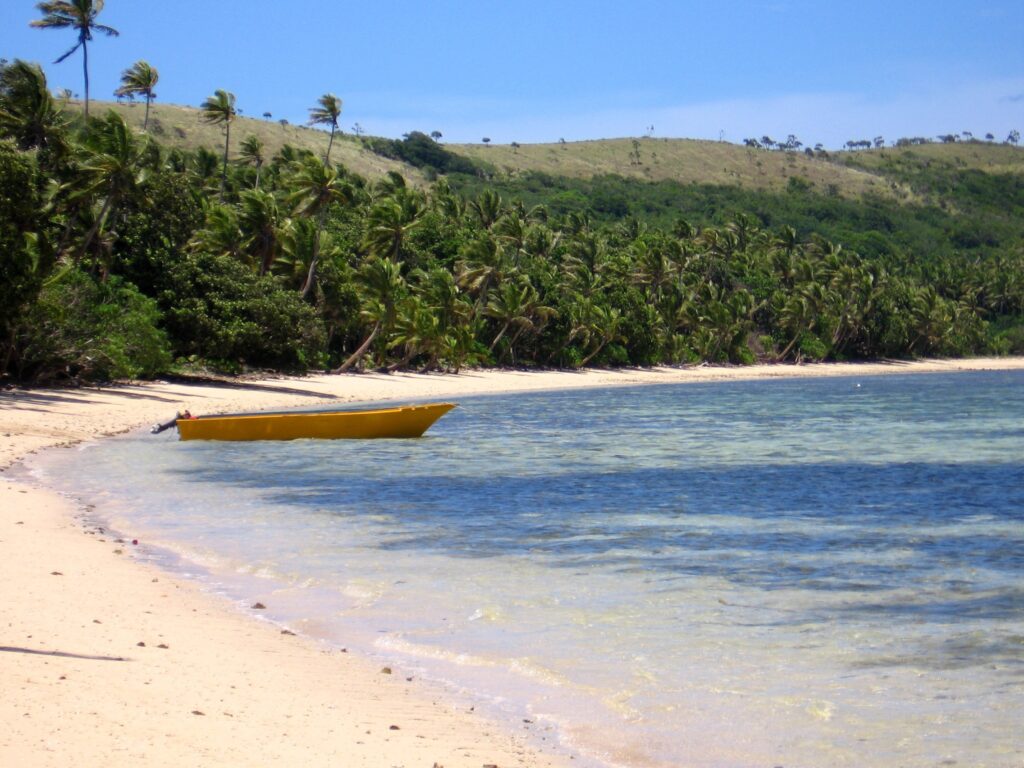
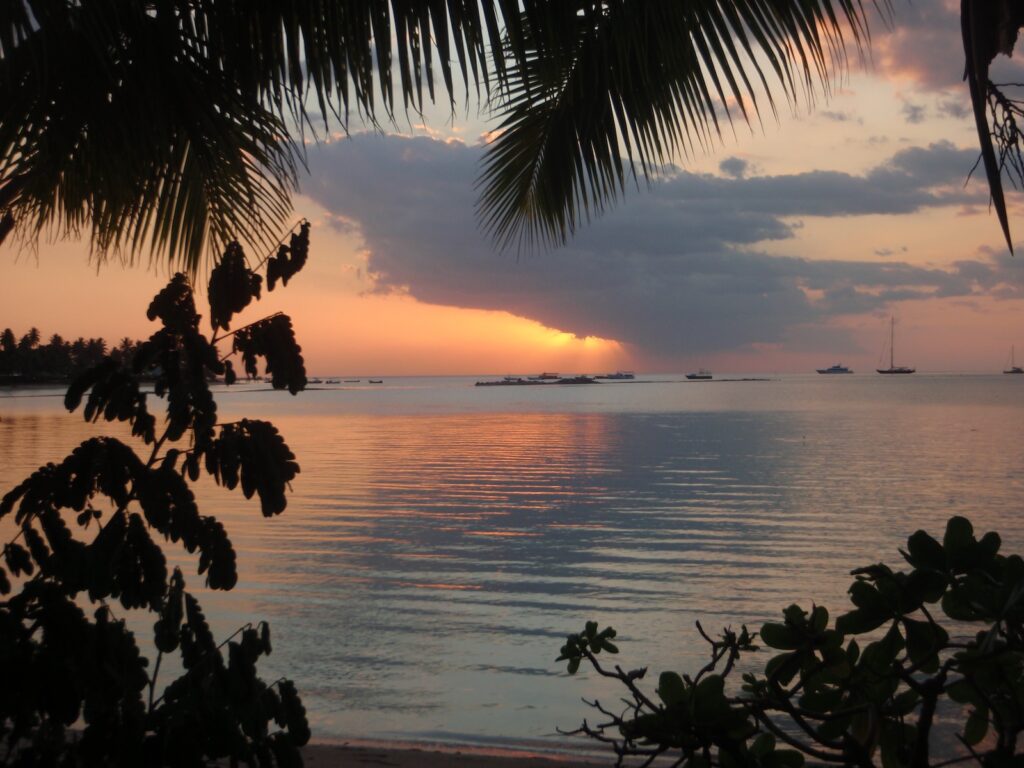
Sailing north along Taveuni’s coastline from Waitabu to Matei, you watch the island slowly soften. The slopes remain green and steep, but the settlements become more spaced out and the shoreline gains more open stretches of beach. As you round toward the island’s northern tip, the sea often feels lighter, with longer views across to offshore islands. Matei itself sits near the small airport, with scattered resorts, gardens, and palm-lined beaches. The anchoring area offers a broader horizon than the east-coast villages and more signs of tourism on shore. It still feels relaxed rather than busy. One afternoon here, I remember misreading a squall line and hanging laundry just before the rain arrived; the clothes ended up wetter than when they started. It was a good reminder that even gentle-looking days can still turn changeable in the islands. From the cockpit, sunsets here often glow behind offshore islets and the open strait.
Attractions
Matei is a handy spot to enjoy a bit of shore comfort. The area hosts several small restaurants and cafés, where sundowners and pizza or fresh fish come with views across the water. Places like Tramonto and other local eateries often crop up in travellers’ tales for both atmosphere and food. From here, day trips are easy. You can organise transport to Bouma National Heritage Park and the Tavoro waterfalls, or head along the road to the start of the Lavena Coastal Walk. Both give you a deeper taste of Taveuni’s rainforest and coastline. Closer to the anchorage, short walks reveal roadside fruit stalls and glimpses into daily life beyond the resorts. Water-based options include snorkelling nearby reefs, stand-up paddling along the coast, or a dinghy trip across to small offshore islets for a picnic between Rainbow Reef sailing sessions with local operators.
Cautions
Open to trades and swell in some spots; choose anchorage carefully and allow room from reefs and traffic.
Facilities
Small shops, fruit stalls, and several restaurants nearby; wider services, fuel, and medical care further along Taveuni.
Day 6 – Matei to Fawn Harbour
25 nautical miles
4hrs 30mins sailing time
LUNCH STOP:Ndakunimba Creek
MOORING:Anchor again in Fawn Harbour or nearby creek; no official moorings or set fees, seek local advice.
Description
This is one of the longer legs of the journey, carrying you back across from Taveuni toward Vanua Levu. Leaving Matei, you shape a course through the strait and past the Rainbow Reef area, with views of islands, reef passes, and the deep blue stretches between. It’s a fine day to keep an eye out for dolphins and sea birds along the way. As you draw nearer to Vanua Levu again, the coastline grows more intricate, with inlets and creeks cutting into the land. Ndakunimba Creek lies among these, a quieter side reach with mangroves and steep, forested slopes. You may treat it more as a reference on the way back toward Fawn Harbour, or as a possible detour for a different anchoring feel. Returning to Fawn Harbour, you close the circle between outer islands and the more sheltered waterways you started from, ready for the final run home.
Attractions
If you decide to pause near Ndakunimba Creek, the main attractions are simple but rewarding: mangrove exploring by dinghy, birdwatching, and enjoying the stillness. Some cruisers also head inland from this region to visit sites such as the famous stone carving area near Ndakunimba, usually arranged by land transport rather than directly from the anchorage. Back in Fawn Harbour, this second visit lets you notice what you missed on day one. A slower dinghy trip might reveal new inlets, small beaches, or sheltered corners perfect for a swim. There’s also a certain satisfaction in seeing the route from a return angle; the hills and headlands look different when approached from the opposite direction, even though the chart stays the same. Fishing outside the harbour remains an option, though as always you’ll want to follow local advice and avoid any protected zones around the reef systems.
Cautions
Watch for strong currents and overfalls near reef edges en route; favour daylight for reef transit and approaches.
Facilities
Same as Day 1: no formal services. Treat Fawn Harbour as quiet overnight stop, not reprovisioning port.
Day 7 – Fawn Harbour – Nakobo to Savusavu
34 nautical miles
6hrs sailing time
LUNCH STOP:none planned
MOORING:Marina berths and moorings at Savusavu; contact operators directly for current rates and advance bookings.
Description
The last sailing day carries you back along Vanua Levu’s coast toward Savusavu and Nakama Creek. Leaving Fawn Harbour, you work your way out past the mangroves and reefs, then settle into a coastal run with hills off the beam and open water stretching away from the reef line. It’s a good day to enjoy the rhythm of the boat and reflect on the week. As Savusavu Bay opens ahead, the feel shifts back toward town. More houses appear, then roofs and roads, and finally the cluster of masts and waterfront buildings that mark the marinas. Slipping into Nakama Creek again, the water calms and the land folds around you. The contrast with the more open anchorages of Qamea and Taveuni is noticeable. There’s something very satisfying about tying up or picking up a mooring here knowing you’ve threaded together Rainbow Reef sailing, waterfalls, marine parks, and quiet bays in one voyage.
Attractions
Savusavu is a comfortable place to finish. Marinas and town moorings offer easy access ashore, where you’ll find cafés, restaurants, and a friendly waterfront scene. Many crews celebrate the end of a trip here with a meal at one of the harbourfront spots, swapping Rainbow Reef stories with other sailors. In town, you can browse local markets for fresh produce, check out small shops, or visit hot springs and viewpoints around the bay. If you’re staying on, this is a practical base for further exploring Vanua Levu or arranging onward travel. Services such as laundry, minor chandlery items, and basic boat work are easier to handle here than at any other stop on the route. After a week of short passages and varied anchorages, Savusavu feels like a natural place to pause, debrief, and quietly start planning the next Fijian adventure.
Cautions
Follow marked leads into Nakama Creek; commercial and yacht traffic share the approach. Mind depths and stay in dredged channel.
Facilities
Water, power, fuel, groceries, restaurants, medical and pharmacy all available in Savusavu; good hub for full services.