Ask anyone who’s never hoisted a sail, and you’ll likely hear one of the common 12 sailing myths — that sailing is for millionaires, daredevils, or fitness fanatics. The truth? Most of those notions have more hot air than a deflated spinnaker.
After years cruising and teaching newcomers, I’ve seen every myth unfold at dock bars and dinner tables. One guest once arrived in a blazer and leather loafers, convinced he’d need to “look the part.” By the end of day one, he was barefoot, grinning, and helming like he’d been born to it.
This guide trims through twelve of the most common sailing myths — with real insight from the cockpit and a few confessions from my own early missteps.
Sailing Myth 1: Sailing is only for the super-wealthy
There’s a lingering image of crisp white trousers, champagne flutes, trust funds and multi-million-pound yachts gleaming in Saint-Tropez. But for most sailors, the reality looks more like deck shoes, instant coffee, and a well-used 38-footer that’s been around the block — or at least the bay — a few times.
Sailing isn’t a billionaire’s club; it’s a spectrum. You can start with a dinghy for a few hundred pounds/dollars or share a charter with friends for less than a long-haul holiday. Many clubs run “crew wanted” boards — meaning you can step aboard with zero ownership, zero cost, and maximum learning.
I once joined a twilight race in Cowes where half the crew were university students, the skipper was a retired plumber, and the after-race dinner was fish and chips washed down with a beer on the quay. Not quite the caviar crowd.

Logbook: SW 12 kn; 1.2 m swell; log 42 NM.
Sailing Myth 2: You’re in constant danger of the boat flipping over
Hollywood loves a good capsizing scene — but most cruising yachts are built like stubborn ducks: they heel, they creak, they lean dramatically… and then they right themselves.
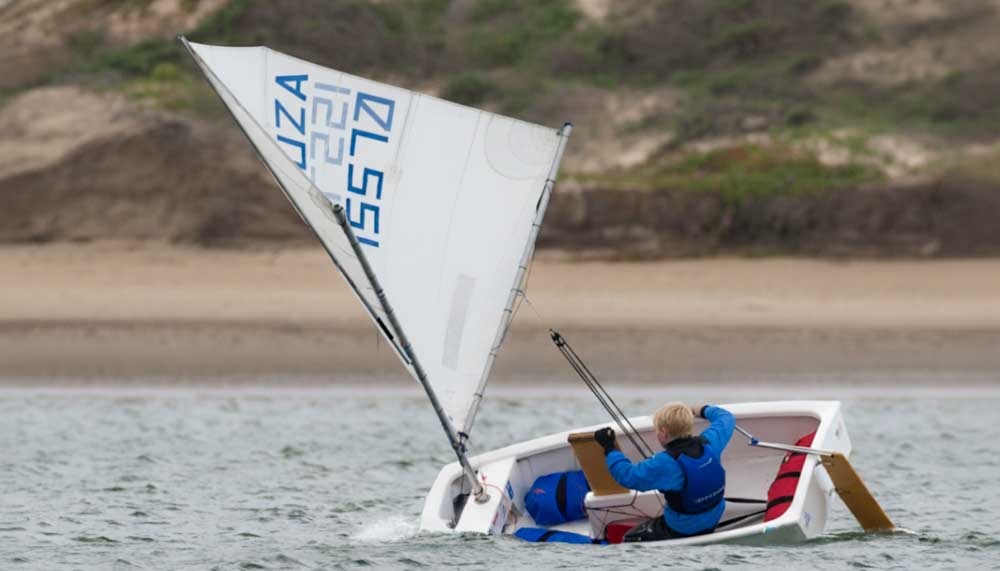
Sure, if your sailing a small off-the-beach Optimist or International Cadet – one of the junior sailing dinghy classes- then yeah you could get wet and end up capsizing occasionally. But that’s not unusual for these small fun craft.
When you’re on a well-rigged cruising yacht, proper sail trim and good seamanship will mitigate knockdowns. Of course in extreme conditions that can happen but this is not a regular event by any stretch of the imagination. Modern yachts are equipped with furling headsails, reefing mainsails, and all sorts of gear that make handling gusty
My brother-in-law on his first windy passage clung to the cockpit seat convinced we were going under. I just smiled and said, “Relax ( cálmate actually as he’s Spanish)— if we were upside down, your coffee would be floating past your nose.”
Logbook: WNW 18 kn; gusting 24; reefed main, steady helm.
Sailing Myth 3: You need a special “sailing license” to even set foot on a boat
This one confuses nearly everyone. In most places, you can go sailing as crew without any license — just enthusiasm and sunscreen. To skipper a charter boat, many countries do ask for proof of competence: typically an RYA Day Skipper or ASA 104 certificate. But these courses are practical, enjoyable, and achievable in a week or two.
Even in the UK where the renowned Royal Yachting Association is based, you don’t need a specific license to sail your own boat, unless it’s over 24 meters in length, over 80 tonne or has a large engine. But for safety and practical reasons, training and qualifications are highly recommended, and a VHF radio license is often required for communication. Joining a local sailing school or crewing for someone experienced is enough to start.
Think of it less as red tape and more as your confidence card. Once you’ve got it, a whole map opens — Croatia, Greece, the Caribbean, New Zealand’s Bay of Islands.
I met a woman in Mallorca who started by joining her local club’s weekend course. Three summers later she was skippering a bareboat charter through the Ionian with her teenage sons. No bureaucracy, just steady progress.
Logbook: SE 10 kn; light seas; course 175°.
Sailing Myth 4: You have to be young and incredibly fit to start sailing
This one always makes me smile. I know sailors in their seventies still hoisting sails and families with toddlers toddling across the deck. Sailing rewards technique far more than muscle.
Winches multiply your strength, and many newer yachts come with at least one electric main winch these days. Plus, modern furling systems make sail handling light work. Sure, you’ll gain some arm tone — but you don’t need to bench-press an anchor.

During a breezy beat near Poros, an 82-year-old skipper named George calmly reefed his genoa while humming “Rule, Britannia.” The younger crewmates just stared. Experience beats youth every time.
Logbook: ENE 14 kn; short chop; one reef tucked early.
Sailing Myth 5: It’s impossible to sail in the direction the wind is coming from
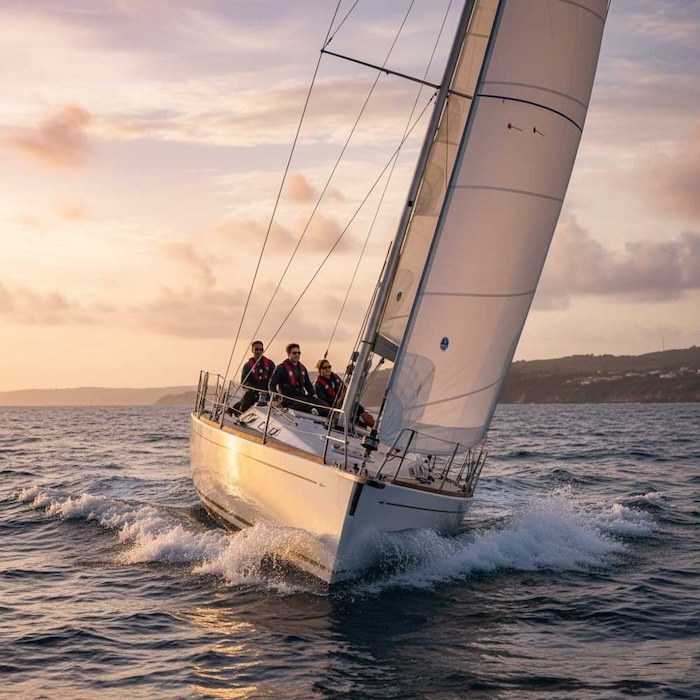
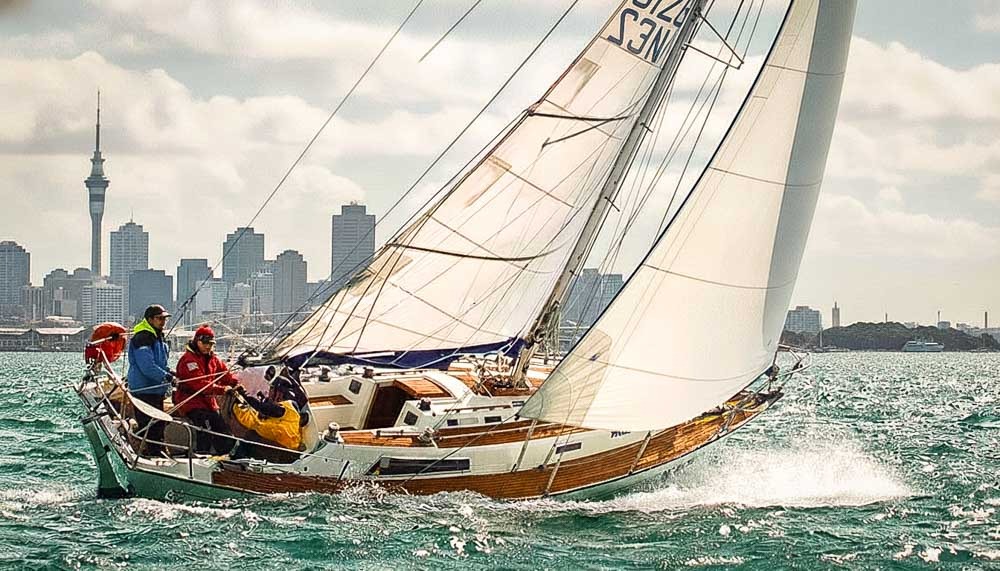
At first, it sounds absurd — how do you move forward into the wind? But sailing is a beautiful bit of physics: by tacking in a zigzag pattern, you can make steady progress toward the wind, using it like a sideways push.
The secret lies in the sail’s shape. It acts like an airplane wing, creating lift that pulls the boat forward. So, while you can’t point dead into the breeze, you can sail about 45° off it — close enough to reach most destinations with patience and planning.
I once raced up the Solent beating against a stiff westerly. It took twice as long as the downwind leg, but the satisfaction of finally rounding the mark under control was worth every tack.
Logbook: W 20 kn; three tacks to windward; log 31 NM.
Sailing Myth 6: Sailing is always a relaxing, luxurious holiday
Sometimes it is — warm breeze, quiet anchorage, a glass of rosé at sunset. But other times it’s rain, wet socks, and sandwiches made while the boat lurches. The charm is in the contrast.
Even luxury charters have their share of reality: jammed heads, forgotten provisions, and the occasional night watch. The sea humbles everyone eventually — but that’s part of why it’s addictive.
I’ll never forget anchoring off Paxos, Greece in a downpour, soaked to the bone. The next morning, the sun returned, steam rose from the decks, and the freshly cooked pancakes for breakfast tasted like victory.
Logbook: Variable 6–10 kn; rain squalls passing; anchor secure.
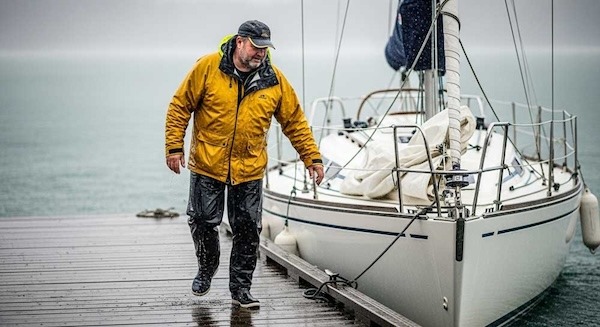
Sailing Myth 7: There are hundreds of complicated “rules” you must memorise
The rules of the road at sea aren’t as fearsome as they sound. There are a few basics — port gives way to starboard, power gives way to sail unless the power is much bigger and more difficult to manoeuvre, overtaking boat keeps clear — and most situations boil down to common sense and good manners.
If you can drive a car courteously, you can steer a boat courteously. The rest comes with time. Apps and laminated cockpit cards help when memory fails, and no one’s above a quick refresher.
I once mixed up port and starboard lights when tired after night watch. The skipper quietly pointed, “Red’s left, as in – there’s always a little port left in the bottle.” Lesson learned — and never forgotten.
Logbook: Calm, NE 8 kn; visibility clear; night lights checked twice.
Sailing Myth 8: You have to constantly worry about pirates
Modern piracy exists, but it’s highly localised — primarily off parts of East Africa and some isolated stretches of Southeast Asia. The average coastal cruiser or charter sailor is as likely to meet pirates as a London commuter is to meet a sword-wielding highwayman.
Most popular sailing grounds — the Med, the Caribbean, New Zealand, the US coasts — are completely safe with normal awareness. The real “pirates” you’ll meet are your crew mates stealing your hidden chocolate bar or your kids running a muck on the quay.
On my first Caribbean charter, a nervous guest whispered, “Do we have an anti-pirate plan?” I handed her a frying pan and said, “Here’s our plan — make pancakes.”
Logbook: E 12 kn; calm anchorage; no suspicious vessels, just pelicans.

Sailing Myth 9: You need a whole wardrobe of special, expensive clothes
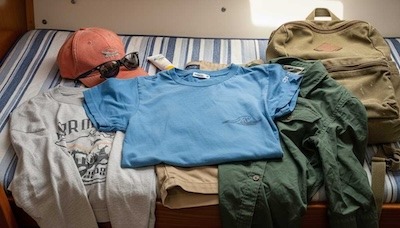
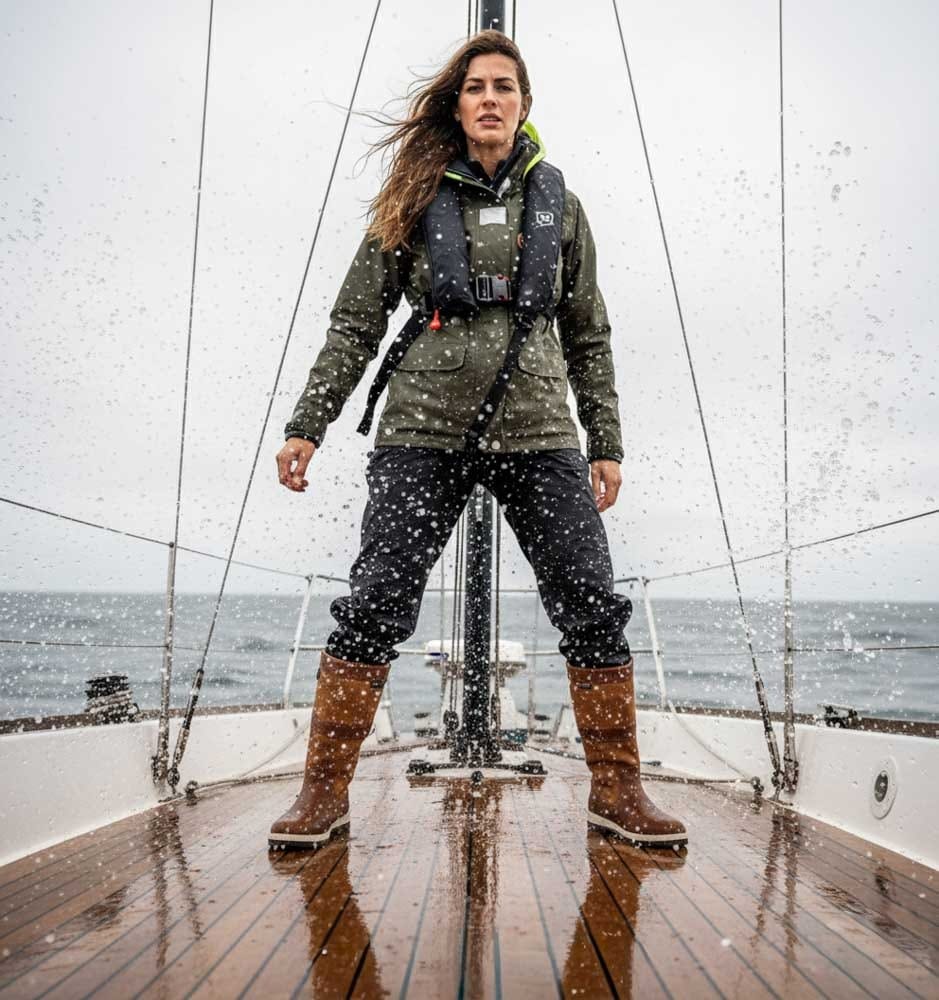
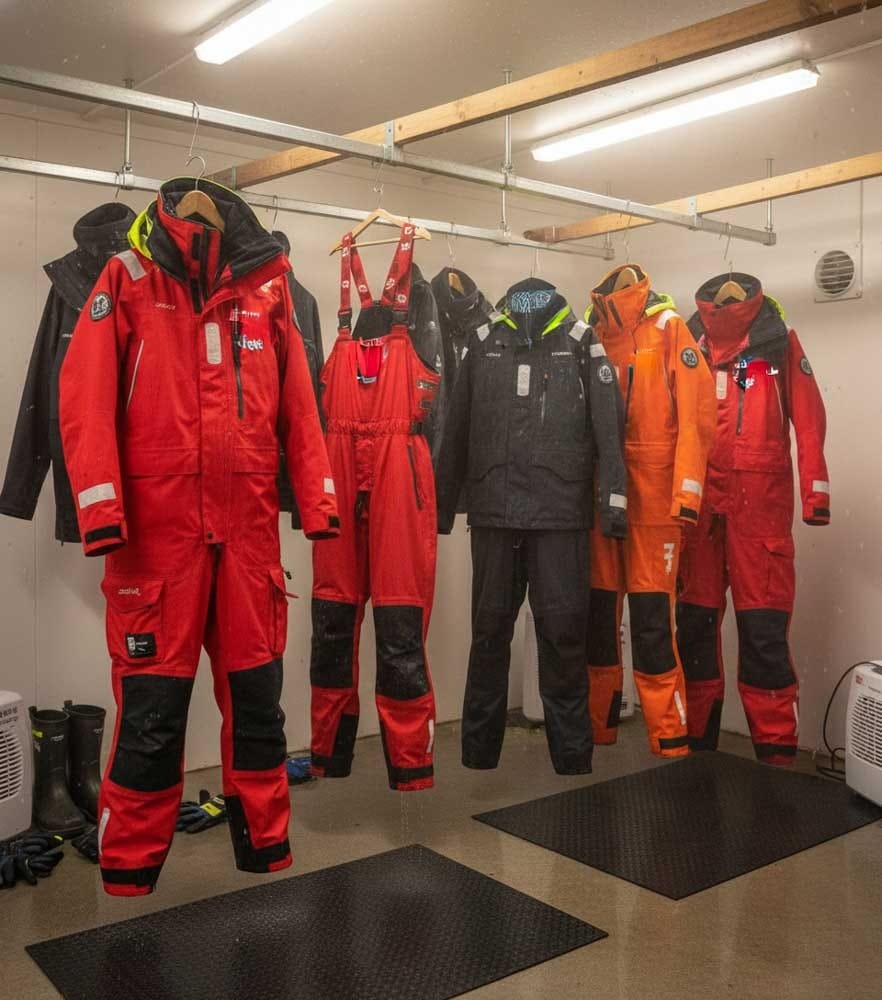
You can often start sailing with what you already own. A great deal of my sailing has been in shorts and T-shirt. And on occasion when things turned a little I threw on a windbreaker and non-slip shoes. Yes, proper foul-weather gear is a blessing in a squall, but you don’t need to look like a North Sea trawler captain on day one. And most good sailing schools will have the wet weather gear available for hire anyway – probably the first thing I bought decades ago was a good pair of boots.
A few smart layers beat a bag full of branded kit. Save your budget for safety gear or training. Most of my early gear came from outdoor shops and charity bins, and I still wear the same fleece I bought for £12 in 2010.
Take a look at my KiwiSailor – What to Pack – Crew for a good guide on a vacation packing list
Logbook: Light airs; crew lounging; laundry day onboard.
Sailing Myth 10: Learning to sail takes years of difficult study
Sailing is more practical than academic. You’ll learn faster by doing than reading — though a good book never hurts. Within a few weekends, most people can handle the basics: steering, trimming sails, and tying knots.
Courses like RYA Start Sailing or ASA 101 are designed for complete beginners and get you on the helm within hours. From there, every day on the water adds confidence and intuition.
I taught a couple in Corfu who arrived terrified of ropes and left tacking neatly into the harbour after five days. Their secret? Willingness to laugh when things went sideways.
Logbook: NE 9 kn; clear skies; last tack home smooth.
Sailing Myth 11: Every sailor needs to own a boat
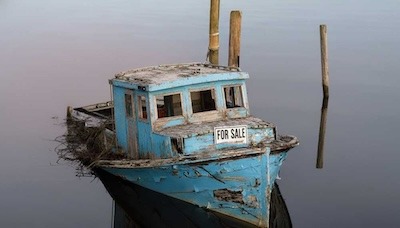
Boat ownership is a joy — and a responsibility of course. The larger and more complicated the boat then the more it will cost to maintain and moor. But that goes for most things whether that be a property of even a vehicle. But you don’t need to buy one to sail often. Clubs, charter companies, and “crew share” apps connect skippers with spare berths.
In fact, you’ll probably find that the majority of sailors don’t own a yacht. For many, the smartest route is to sail regularly without the maintenance bill. I know sailors with hundreds of sea miles logged and not a single ownership headache.
Yes I have owned a yacht but at the moment am happy to broaden my experience by sailing on a range of vessels and with different crews and adventures. My next yacht is in the planning but until then, I am happily bumming rides and contributing to the snacks.
Logbook: SSW 11 kn; fair tide; shared laughter and no engine worries.
Sailing Myth 12: Sailing is a dying art
Despite the headlines, sailing is thriving. Top yacht and sail manufactures market forecasts indicate a projected growth of around 5% for the next 5 or more years, driven by the rising popularity of recreational boating, increased disposable income in emerging markets, and demand for luxury and performance features. Sailing Schools report record enrolments, eco-travel trends favour wind power, and young people are discovering the joy of slow adventure.
Yes, the image has changed — fewer blazers, more barefoot smiles — but that’s the beauty of it. The sea still calls, and the boats keep answering.
Last summer, in a small marina in Spain, I watched a teenage crew hoist sail for the first time, cheering as the boat leaned into the wind. And just the other week I was part of a 100+ team support crew for a junior sailing regatta in Port Phillip Melbourne. The art is alive and well.
Logbook: NW 13 kn; easy reach; spirits high.
Closing Reflection
Sailing isn’t about myth or mystery. It’s about motion — the soft hiss of water under the bow, the snap of canvas, the satisfaction of learning something real. Whether you’re trimming your first sheet or dreaming of your first charter, remember: every sailor once asked the same “silly” questions.
The only myth worth keeping? That the sea always surprises you — and that’s half the fun.
Read Next
- ASA, NauticEd Or RYA Sailing Certification: Which Path Is Right for You?
- Complete Beginners Guide to Sailing
Ready to Set Sail?
Download my FREE KiwiSailor – What to Pack – Crew checklist, subscribe for monthly tips, and explore hand-picked sailing gear to make your journey easier. Your adventure starts now.