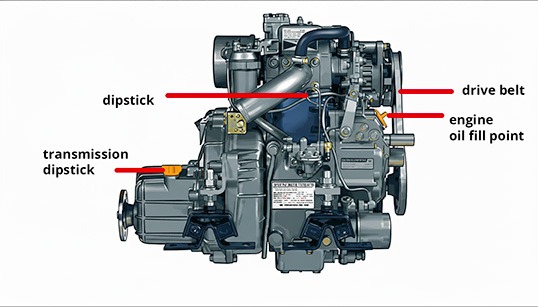
One of the best and easiest Yacht Engine Checks is the i.W.O.B.B.L.E. method. This is a systematic approach to engine inspection that gives you the peace of mind that there are no obvious issues before you set sail. I caution; the iWOBBLE is not a full maintenance check, but it is what I typically do every day before setting off. The iWOBBLE only takes 5 to 10 minutes max per engine and I treat it as a safety procedure, as without a reliable engine you could end up in an unsafe situation.
Isolation Water Oil Belts Bilge Leaks Electrics
If I am doing a boat handover e.g. at the beginning of a charter, I will take a bit longer to do a thorough inspection, regardless of whether the charter managers ensures they have just done a full service. One of my very first charters in the Ionian, Greece, I discovered the transmission dip-stick was left off and allowing transmission oil to discharge into the bilge.
Each letter in the acronym stands for a critical component of the engine or engine area that needs to be checked: Water, Oil, Belts, Bilge, Leaks, and Electrical. Most people follow a similar approach to the W.O.B.B.L.E. and I like the expanded version i.W.O.B.B.L.E. Let’s break down each part.
But before we start, you should also be aware and have checked what spares you have on board. This should include: engine and gearbox oil, filters, fuses, raw water impellers, fresh coolant water and engine belts as a minimum. See the KiwiSailor Boat Hanover Checklist
isolation
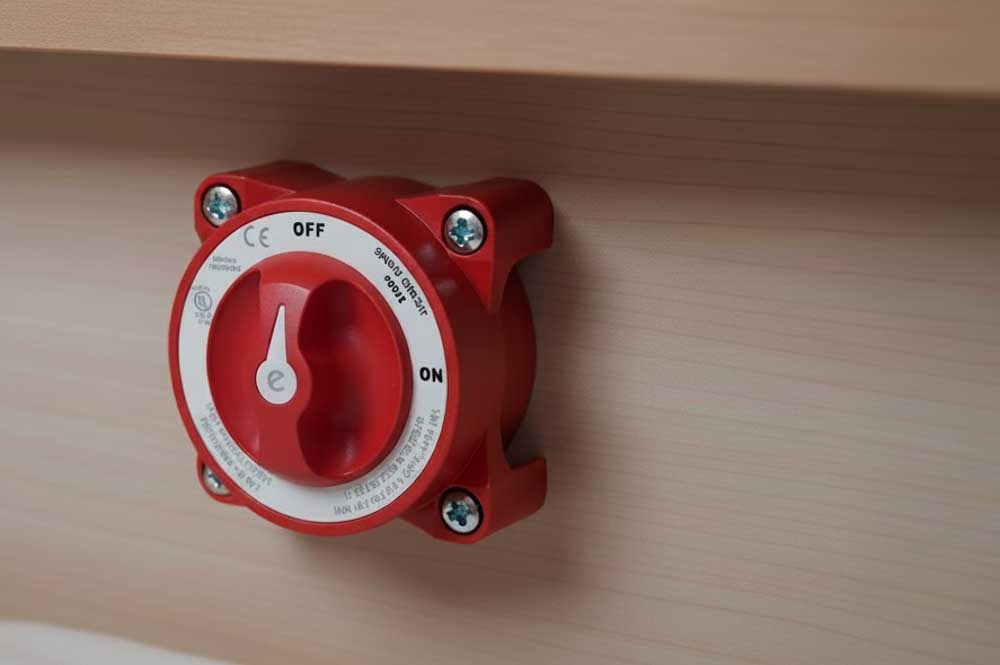
The first step in i.W.O.B.B.L.E. is to isolate the engine(s). Simply speaking, you don’t want any of the crew mistakenly trying to start the engine whilst you’re getting amongst it.
Yacht Engine Check
The Yacht Engine Checks
Before you dive into the engine bay, grab yourself a torch and a rag.
Water
Now we are into the classic W.O.B.B.L.E.

The first step in the W.O.B.B.L.E. method is to check the water systems, specifically the cooling system. Ensure that the raw water intake is clear of debris, the sea strainer is clean, and the lid properly sealed. This system pulls in seawater to cool the engine, so any blockage can lead to overheating. Also, inspect the coolant level in the closed cooling system (if your engine has one) and top it up if necessary. Proper cooling is essential to prevent your engine from overheating, which can cause severe damage and leave you stranded.
Oil
The next yacht engine check is the engine and transmission oil levels and condition. Use the dipstick to ensure the oil is at the correct level and inspect its colour and consistency.
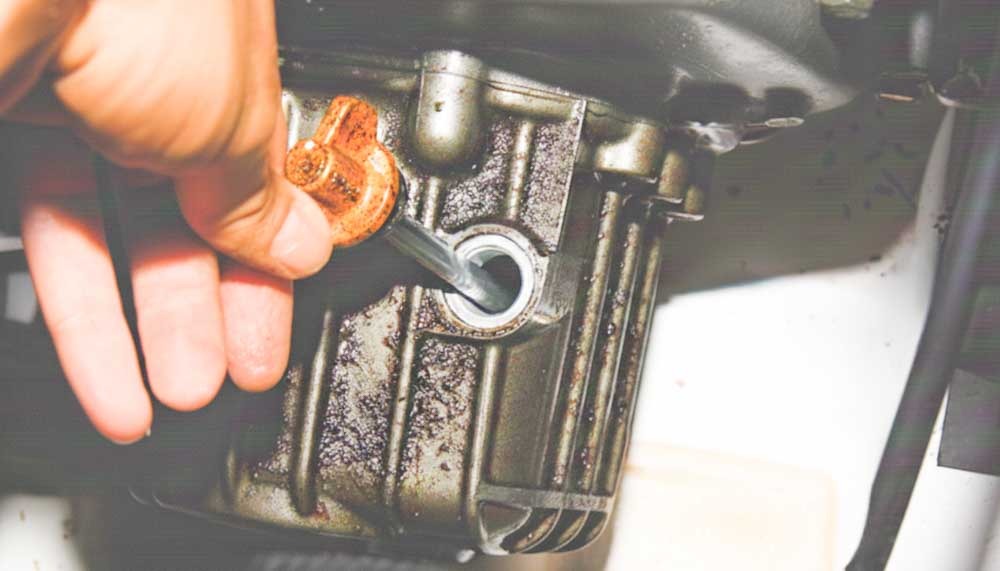
Fresh oil should be amber and clear, while old oil may appear dark and dirty – but in diesel engines it can get dark quite quickly. A milky appearance indicates water ingress. If the oil is low then top it up, if it looks contaminated or is really thick between the fingers, it could be time for an oil change. Additionally, check the oil filter for any signs of leaks or damage. Regular oil checks and changes are crucial for lubricating engine components and preventing wear and tear.
Gearbox oil should also be checked and should not change colour much over its lifespan. Do not overfill the gearbox oil as this can cause excessive discharge from the breather.
Belts
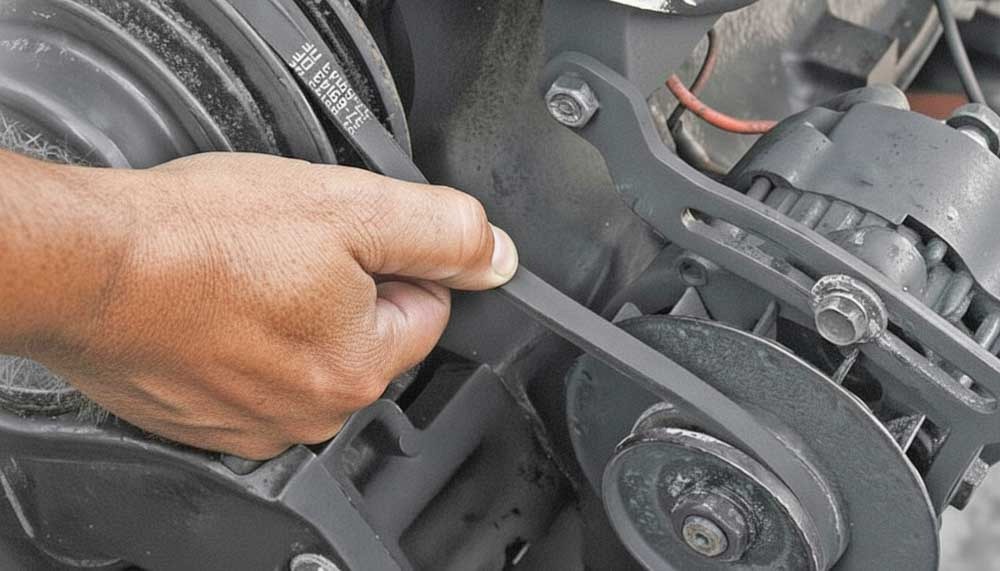
Inspect all the belts in your engine, including the alternator belt and any other accessory belts. Look for signs of wear, such as cracks, fraying, or glazing. Ensure that the belts are properly tensioned; a loose belt can slip and fail to drive the components it powers, while an overly tight belt can cause premature wear on pulleys and bearings.
Take the longest exposed length of belt and push down on it with your thumb at mid-span.
It should not deflect by more than 12mm (½”) and you should be able to twist it ½ a turn between your fingers, but not more. If there is any black looking dust type residue, this could be a sign the belts are slipping and need tightening.
If you find any issues, replace the belts before setting out. Belts play a vital role in the operation of various engine systems, so keeping them in good condition is essential.
Bilge
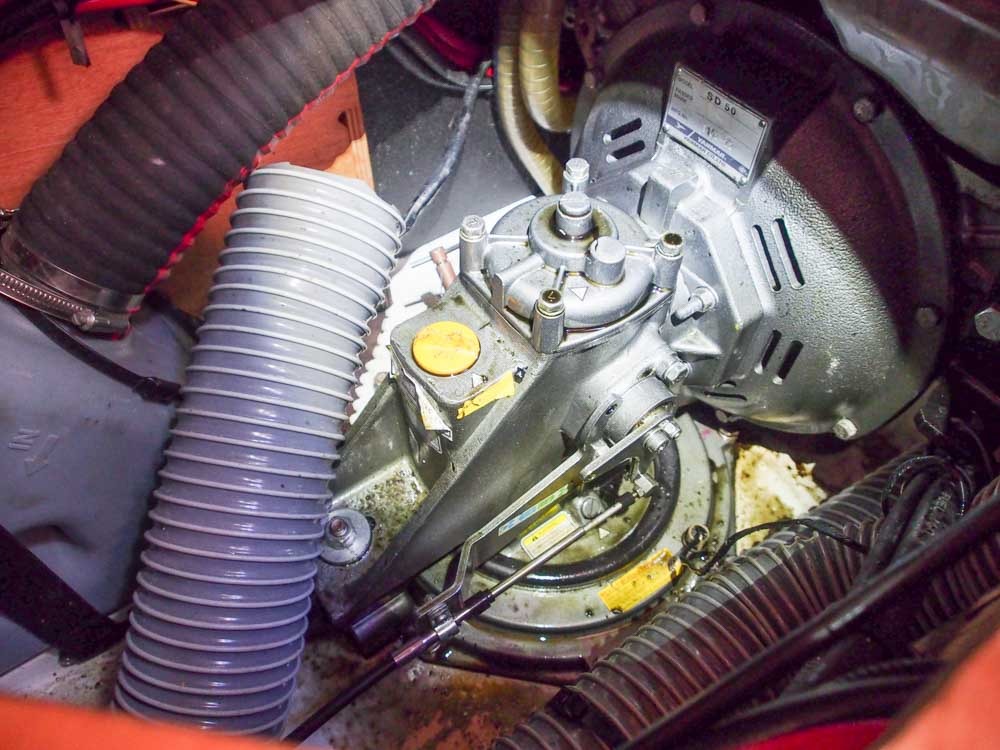
The yacht engine bilge area should be clean and dry! Check the bilge area for any signs of oil, fuel, or coolant leaks, or even bits and pieces that have fallen off the engine! The bilge is the lowest part of the boat where fluids can accumulate, and finding any foreign substances here can indicate a leak in the engine or associated systems. Ensure the bilge pump is functioning correctly and that the area is clean and dry. A clean bilge not only helps in identifying leaks early but also prevents unpleasant odours and potential fire hazards.
The Yacht Engine Check
Bilge Yacht Engine Checks
Yacht Engine Checks
Leaks
Perform a thorough inspection for any leaks around the engine. This includes checking hoses, connections, and seals for signs of wear or damage. Look for any drips or puddles of oil, fuel, or coolant. Pay special attention to the areas around the oil filter, fuel lines, and cooling system hoses. Identifying and fixing leaks early can prevent more significant issues down the line and ensure your engine runs smoothly.
Electrical
Finally, inspect the electrical system, which in some cases can be challenging if not tidy and organised. In the engine area, check all cables and wires to make sure none are frayed, loose or even disconnected. Check the battery terminals for corrosion and ensure they are securely connected plus the batteries themselves are secured and not able to move around. Test the battery voltage ensure it is holding a charge. Inspect wiring for any signs of wear, fraying, or loose connections.
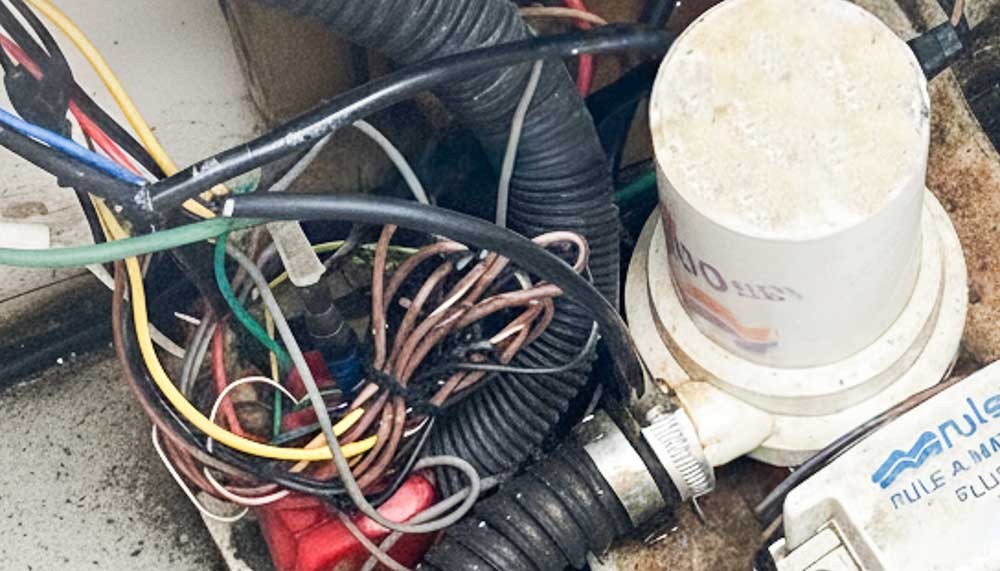
Ensure that all electrical components, such as the alternator and starter motor, are functioning correctly. A reliable electrical system is crucial for starting the engine and powering essential systems on your boat.
Electrical Yacht Engine checks
Yacht Engine Checks
Yacht Engine Checks
Close-out
isolation
You have now done the i.W.O.B.B.L.E. but you’re still not quite finished
Remember we started with isolation, so it would be a good idea when finished to flick the isolation switch back on.
Engine Start and Run
Firstly, make sure there are no people, animals, ropes or lines in the water. Only then, start the engine(s).
Then check the exhaust outlets to confirm there is a proper flow of water coming out.
Finally listen for drops and spikes in the revs (“hunting”) and screeching sounds (indicating loose slipping belts).
Last Comments
So, by following the i.W.O.B.B.L.E. method, you can perform a thorough and effective engine inspection, ensuring your boat is ready for a safe sailing adventure. It’s easy to think it is a chore but I can assure you, you’ll spend a lot more time recovering from an issue that results from a fault or snag that could have been picked up during the i.W.O.B.B.L.E.
Whilst its great if another member of the crew takes an interest in doing the i.W.O.B.B.L.E., you as Skipper must ensure you oversea and take final responsibility for this check, like any other boat safety procedure.
In saying that, it’s also safe responsible practice to make sure at least one other crew member is familiar with the procedure to start and stop the engine(s). See the KiwiSailor Crew Briefing Guide
Finally, if any of the following is observed then it’s not a good sign, and if present I suggest you call in the experts:
Issues needing attention
- Coolant discolouration
- Crankcase oil having a diesel smell, and/or emulsified (greyish oil deposit inside the oil filler cap)
- Gearbox oil is darkening
- Exhaust water is quite oily, brown/rust coloured or smells of fuel, this is an indicator of a major problem.
Serious problems, requiring immediate action
In any of the following are observed, switch the engine off immediately:
- Indications of venting and/or bulging or cracking of the battery housing possibly caused from over-charging or failed battery cells and could risk over-heating, explosion/fire and even acid burns. Do not attempt to start the engine!
- Engine black smoke and loss of engine power (could be injection or an air intake blockage)
- Engine blue smoke – likely engine is burning oil and could result in a “runaway engine”, a serious safety concern!
- Engine making any unusual “knocking” sound, or excessive engine vibration.
- Engine overheating.
Read Next
- ASA, NauticEd Or RYA Sailing Certification: Which Path Is Right for You?
- Sailing Weather – fundamentals for sailors
Ready to Set Sail?
Download my FREE Engine iWOBBLE PDF Guide, subscribe for monthly tips, and explore hand-picked sailing gear to make your journey easier. Your adventure starts now.