
What Is Sailing?
There’s nothing quite like the hush of the wind in your sails and the gentle sway of water beneath your keel—the beginning of a journey that’s equal parts art, science, and pure soul-stirring freedom.
At its heart, sailing is the art of harnessing wind to drive a vessel across water. Unlike engine-powered boating, sailing calls upon careful interaction with nature: you trim sails to catch the wind, steer to shape your path, and constantly interpret feedback—from seams of rigging to the tug beneath your feet. It’s not a chore—it’s a dialogue with wind and water, taught through experience and intuitive feeling.
For most beginners, these initial moments—your first tacks, that flashing crest of waves, sails dancing when you find just the right trim—becomes the memory that anchors your desire to learn. Sailing draws you in not just through motion, but in the way it connects you to places: the way island coves open up silently, the citrus tang of a salty breeze, laughter on deck, dolphins skimming alongside at dawn. It’s an emotional and sensory journey, not a checklist of techniques.
Yet beneath its poetry lies well-honed craftsmanship. Every line has a purpose: halyards lift and control; sheets shape sails; shrouds and stays brace the mast. Between learning wind direction, points of sail, basics like tacking (turning the bow through the wind), and heeling—to lean into wind, countering with tiller or wheel—you gain command. And that’s the skill beginners fall in love with: transforming from spectator to navigator, co-creator of a moving, living sea-craft.
By blending art with science, sailing teaches resilience, focus, curiosity. Every sail is different— the light, nimble dinghy will heel every inch and feel the pulse. Heavy cruisers hugging the wind offshore have a gentle rhythm and long tacks. Even at 5 knots or 20, you’re participating in a dance rooted in centuries of exploration, maintenance, design, and sheer human wonder.
So, what is sailing? It’s wind-driven movement—but more deeply, it’s the world revealing itself through every salty gust, shifting tide, and horizon that beckons. Your journey begins with that first gust—one that, once felt, always calls you back.
Types of Sailing
The world of sailing unfolds across many faces and purposes—from serene weekend escapes to high‑octane racing, from instruction in protected harbours to ocean‑crossing passages. Each has its own setting, culture, and thrill, and each can equally get you hooked on sailing.
Dinghy Sailing
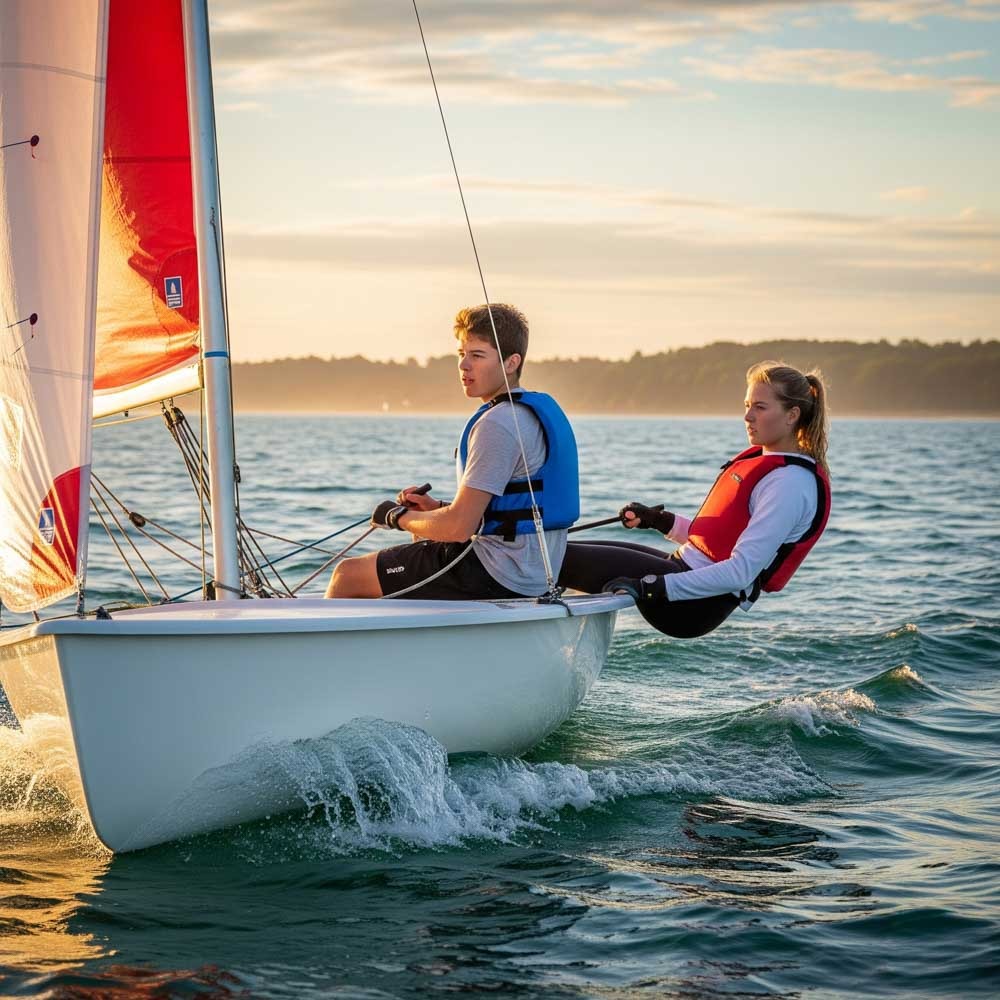
In still-water lakes or protected bays, buoyant and responsive dinghies like Lasers, Optimists, or 420s introduce the fundamentals. You feel every puff of wind and shift of posture—together, boat and sailor learn to coordinate. Dinghy fleets often form communities at local clubs, offering coaching, camaraderie, and the pure, hands‑on thrill of sailing’s fundamentals.
Dayboat & Sportsboat Sailing
If dinghies are nimble dancers, dayboats and sportsboats are spirited performers. These sleek hulls—think RS21s, J/70s, or Nacra catamarans—combine speed and agility for regattas near shore. Meals may wait ashore; but the rush of acceleration, the satisfying slide of a hull across choppy water, the shear focus of crew work—this is Day‑sailing in full adrenaline.
Cruiser and Coastal Sailing
Imagine a vessel with a cabin, galley, and a sleep-in berth—built for comfort and exploration. Coastal cruisers let you wander, perhaps for a weekend or week, hopping between harbours, exploring anchorages, and living aboard. You’ll helm at 4–7 knots, drift into calm harbors, and appreciate the view as much as the course. These boats pair sailing with coastal swims, dockside dinners, and scenic horizons.

Bluewater and Extended Cruising
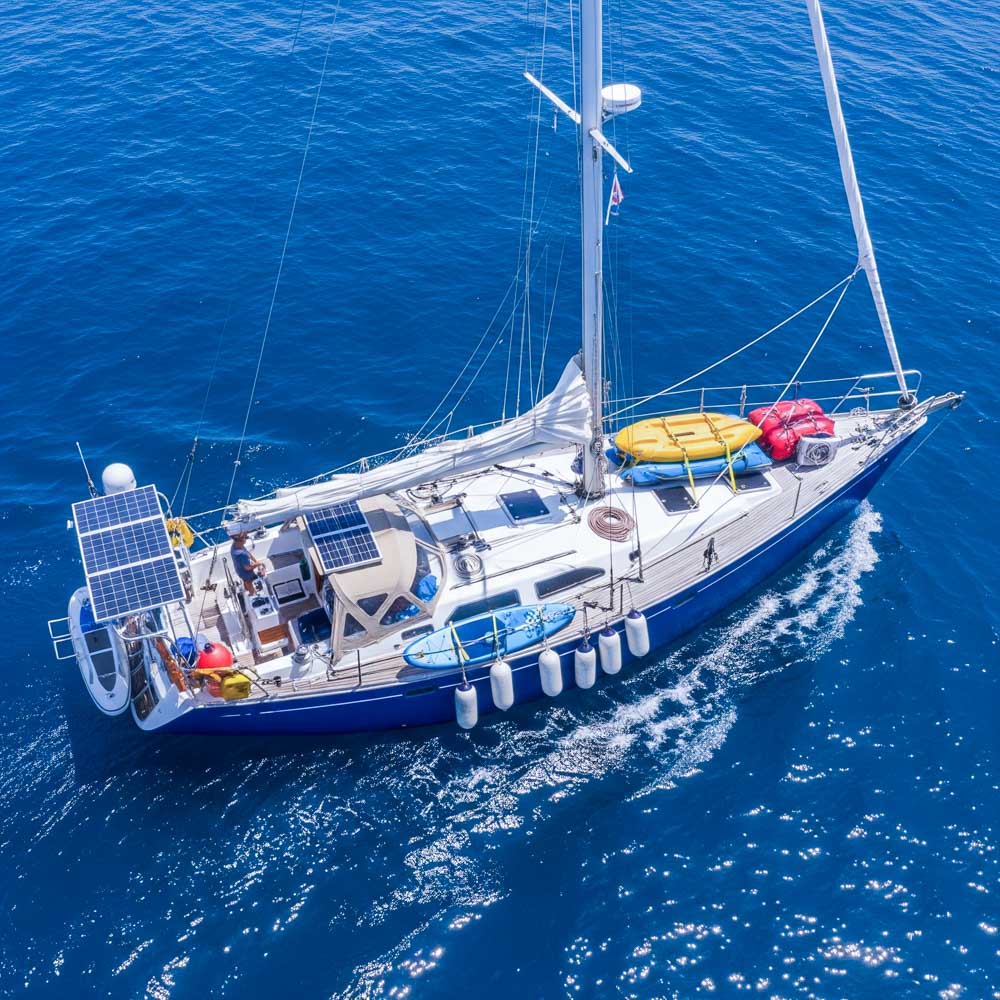
This is the adventure everyone dreams of: crossing oceans, rounding capes, island-hopping in remote archipelagos. Bluewater cruisers—graceful, sturdy monohulls or cats like a Hallberg-Rassy, Lagoon catamarans, or Oyster yachts—are crafted for comfort, supplies, and autonomy. You’ll learn celestial navigation, weather planning, self‑reliance, and the discipline to read wind, swell, and mood of the sea for weeks at a time.
Racing & Regattas
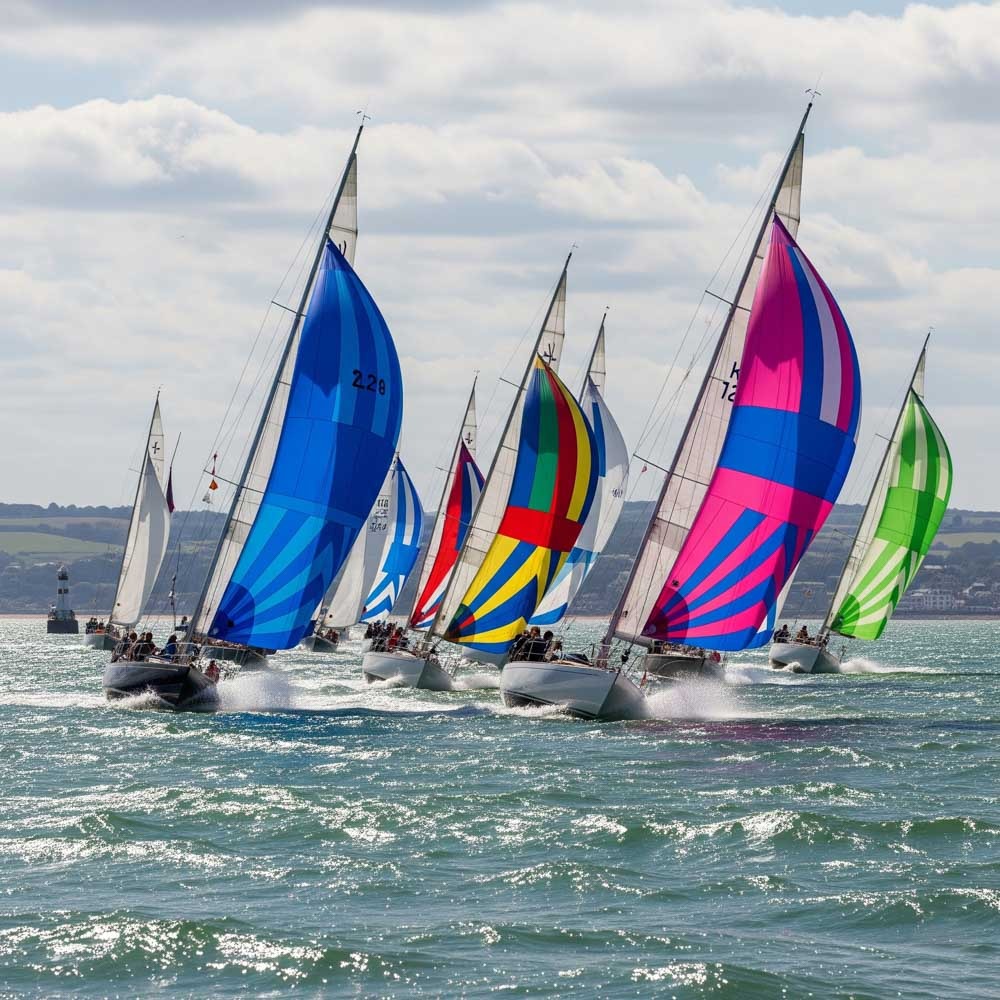
From club-level weekend races to the spectacle of the America’s Cup, Sydney‑Hobart or Fastnet, racing feeds the spirit of competition. Classes vary massively—cruiser‑racer hybrids, IMS yachts, one-design fleets—all demanding tight teamwork and precise boat speed tuning. Strategy, split-second decisions, and crew roles make every race a test of skill, nerves, and connection with wind-strained lines.
Keelboat Charters & Day Sails
Charter the whole boat or just book a cabin. The options are plentiful.
Ideal for beginners ready to feel the freedom of sailing before investing—chartered keelboats or skippered day sails offer a taste. You’re introduced to lines, points of sail, helm control, and coiling dock lines—all with the safety net of a skipper guiding. This is gentle immersion, perfect for sampling waters beyond your local harbour.
Cabin‑charters – enable you to book by‑the‑cabin: you’re a guest, no sailing responsibility—an excellent relaxed intro. Alternatively join a flotilla or take a bareboat charter – hire and skipper yourself; best if you’ve done some NauticEd ‑level training or similar
Multihull & Catamaran Sailing
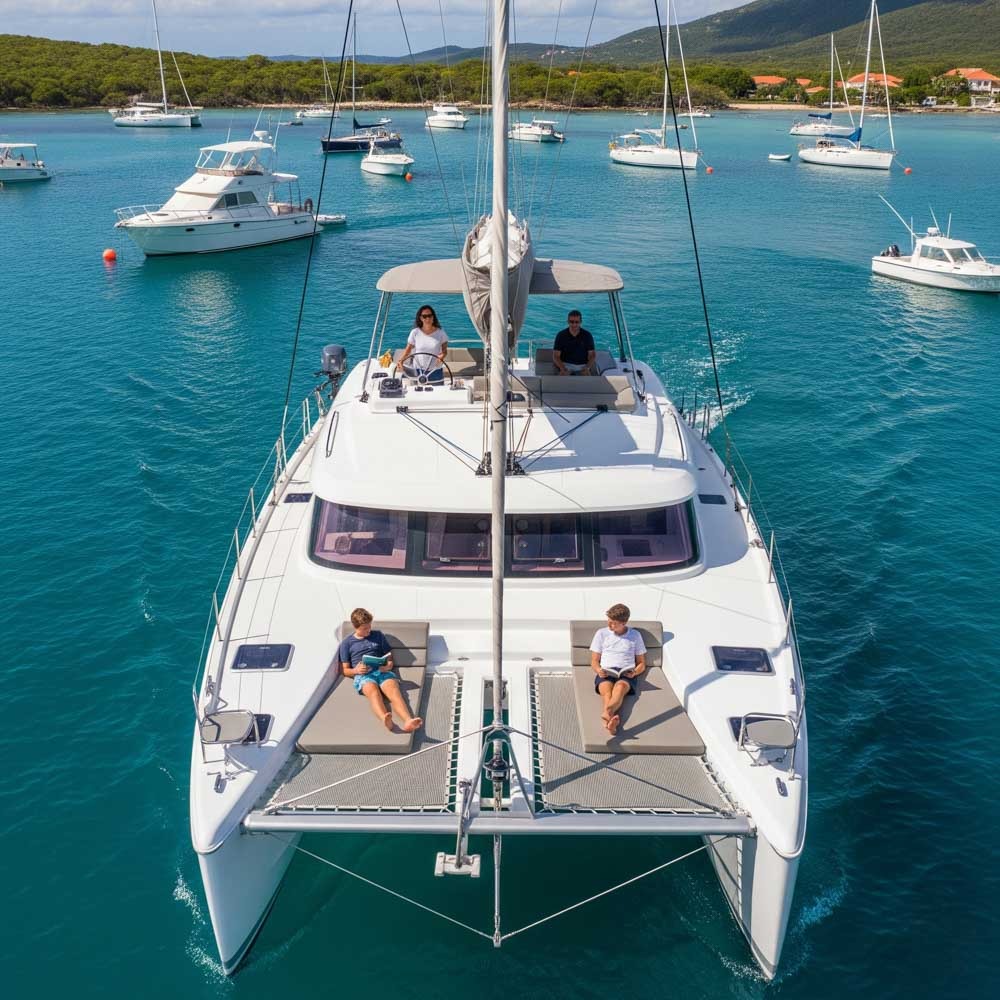
Wide, fast, and surprisingly stable—even in stronger winds—multihulls like catamarans are growing in popularity (Fontaine Pajot, Lagoon Catamarans).The doubled hulls offer space below, minimal heel, and lots of living space—making them favourites for families or cruising couples. Their subtle quirks (like faster off-wind speeds and unique balance) bring fresh technique and efficiency to learn.
Getting Started Checklist
Stepping aboard for the first time? Here’s a curated sequence that anchors dreams in action, gently guiding from land-based curiosity to that salty embrace.
Experience & Exposure
- Skippered Intro: Begin with a half‑day or day sail led by a qualified skipper. Feel wind, helm, and teamwork unfold without pressure.
- Club Open Day: Local yacht clubs often open their gates—try dinghies or day yachts for free or low cost. Meet instructors, Ask what types of sailing they support and how beginners progress.
Education & Certification
- Basic Sailing Course: Enrol in a NauticEd, Royal Yachting Association (RYA), American Sailing (ASA) or local equivalent “Basic Keelboat” or “Fundamentals of Sailing” course. They balance hands‑on sailing and safety—and offer skills that unlock boat hire or club membership.
Gear to Get You Started
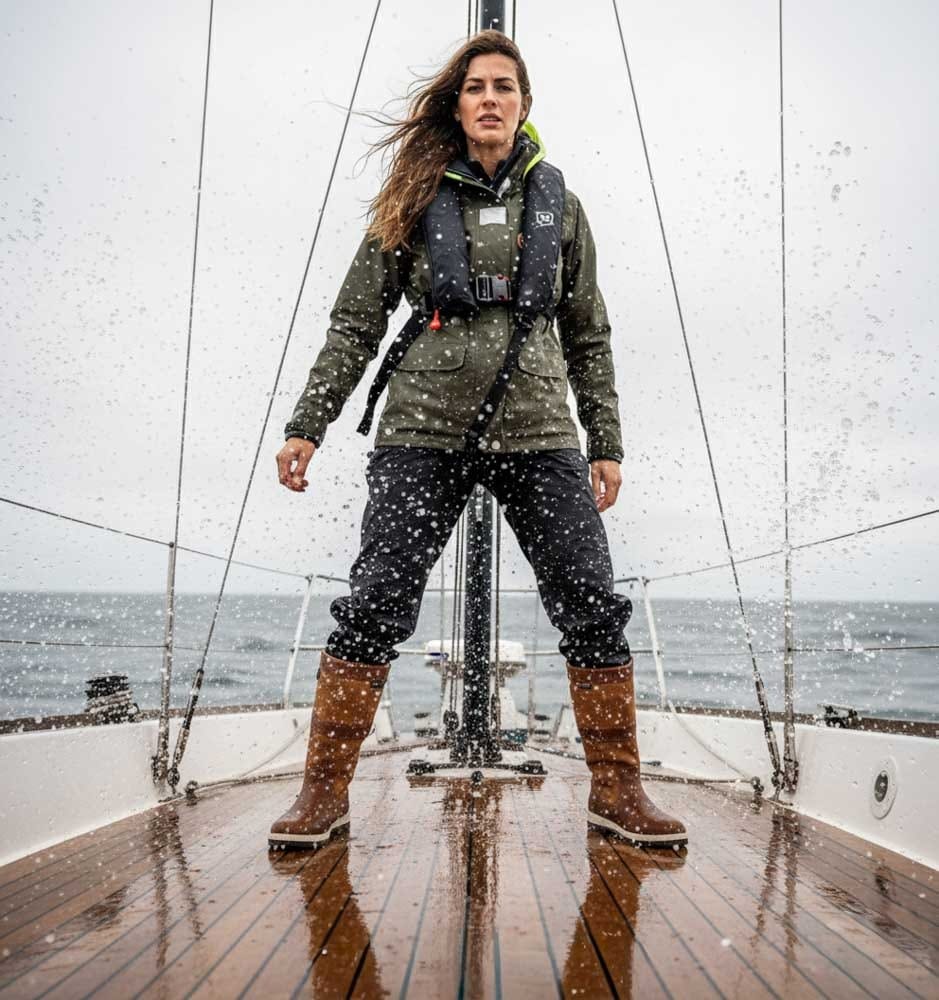
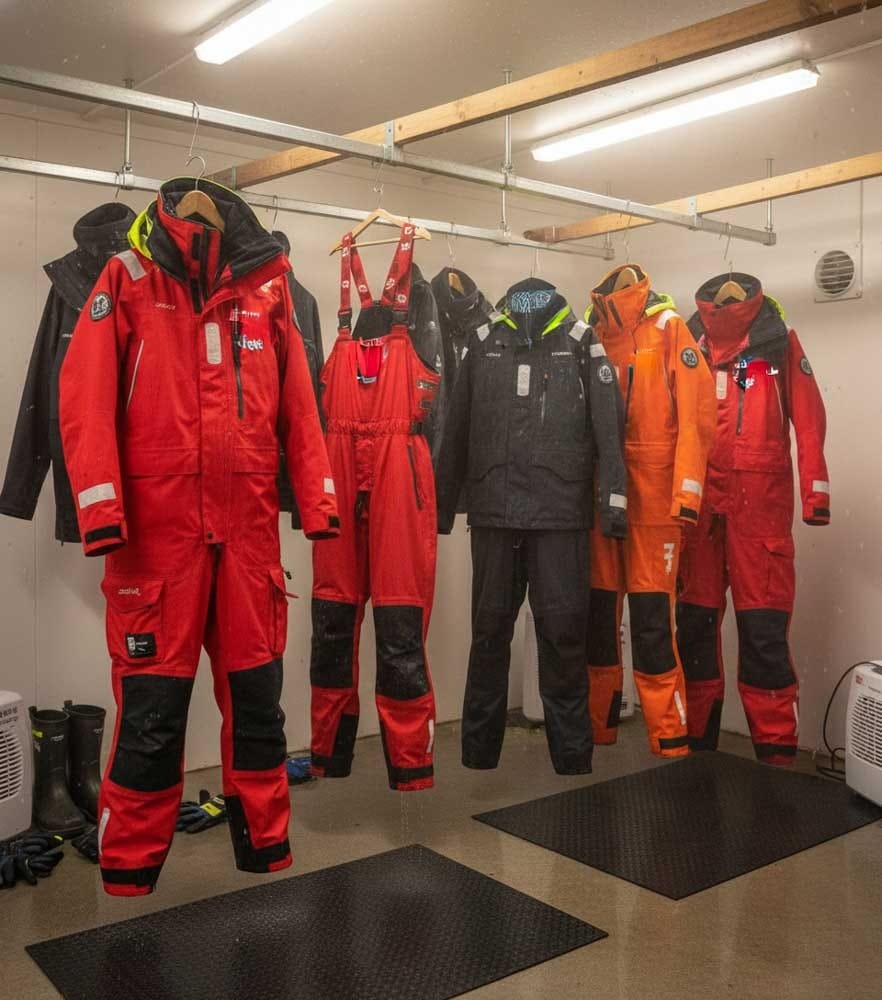
- Essential Clothing Gear: Moisture‑wick layers, hat, UV‑protective shirts, non‑marking deck shoes, a waterproof jacket, and polarized sunglasses all help you sail safely, comfortably, and style‑efficiently.
- Personal Gear: Don’t skimp on a good-fitting PFD (life jacket) suitable for sailing; consider a dry bag for essentials and sailing gloves for handling lines. Soft bags for storage aboard; no hard cases please see my What to pack checklist – the essential crew packing list for any vacation sailing trip
Skills to Master
Include alongside every sail:
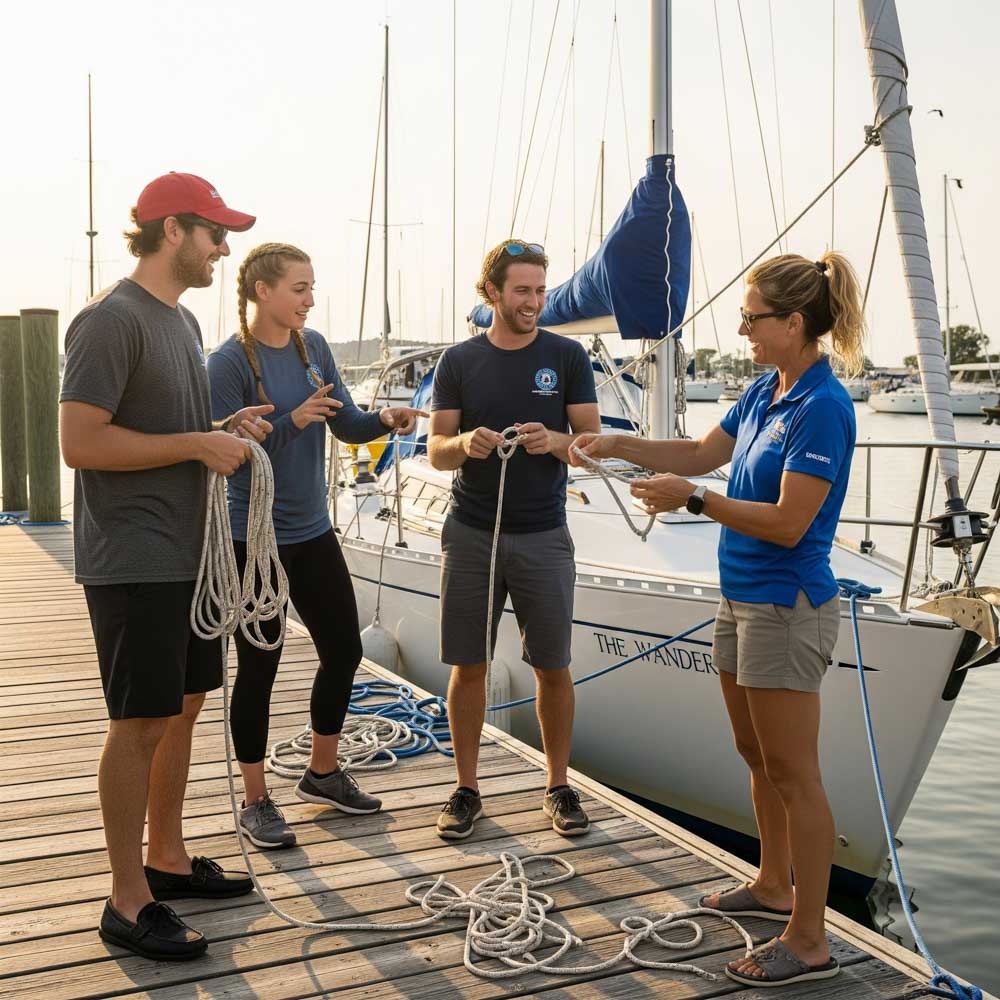
- Knot‑tying practise (bowline, cleat hitch, figure-eight, reef knot)—each tie serves a purpose and builds confidence. See my Common Knots Aid for the most common and useful knots for any sailor.
- Points of sail theory—understand when you’re on a beam reach, close‑hauled, or broad reach, and how each slice through waves feels different.
- Tack and gybe mechanics—while tacking turns bow‑through‑wind, gybing turns stern‑through—each requires crew coordination, sail trim finesse, and steering awareness.
- Safety procedures—man‑over‑board drills, float test, basic emergency calls on VHF (e.g., “Mayday” vs “Pan‑Pan”). Safe sailors mean confident sailors. See my VHF Calling Guide which demystifies radio chat and procedure
Practice Through Relationship
- Crew for Friends: Volunteer as crew on a friend’s boat or join mixed‑crew days. Guest crew exposure gives hands‑on practice with rigging, lookout, trimming lines, and mid‑sail rhythm.
- Club Roster Days: Signing up as crew for club races or cruisers’ rosters is exhilarating—and couched in camaraderie. You’ll learn pack‑down protocols, tacking routines, and the quick‑thinking demands of competition.
Build Your Own Log
Keep a Sailing Journal:
- Record wind, tide, sky, course, sail setup, mood, and what clicked—or didn’t. Not only is it your personal sailing story, but in time it becomes a custom‑made cheerleader, tracker, and learning dossier.
- Sketch lines, annotate tack angles, jot reminders about what to do differently next time. Shared journals, if you sail with groups, foster insight and help each sing the same tune when you’re aboard.
- I love using my Garmin smartwatch with the Sailing Tools app to track sailing—it maps my route, distance, speed, calories and heart rate, all hands-free and seamlessly linked to Strava. It’s like having a digital first mate onboard. Try it!
Business Foundations
- Club Membership: Many clubs waive intro fees for new members or first course takers; take advantage of low-cost training and social sailing.
- Boat Sharing: Online platforms or club arrangements can connect you to owners needing crew—or partners to co‑own boat time.
| Region | Course Name | Link |
| UK | RYA Start Sailing (Level 1) | Find an RYA course |
| USA | ASA 101: Basic Keelboat Sailing | ASA Course Search |
| Canada | Sail Canada Basic Cruising Standard | Learn more |
| Australia/NZ | Keelboat Introduction – Australian Sailing | Find a course |
Stay curious: heed the tide, wind shifts, moorings and navigation. Each outing teaches something—often in small surprises.
Cost Breakdown
Sailing budgets vary wildly—from a few hundred dollars for a course to thousands for ownership. Here’s a fully grounded look at what sailing might cost across Australia, England, the Eurozone, and the USA.
Training and Membership
| Category | Type | AUD | GBP | USD |
| Early Exposure | *Taster Sessions / Skippered Days | 150-300 | 100-200 | 130-250 |
| Certifications & Courses | *Keelboat / Basic Sailing Courses | 850-1400 | 500-900 | 650-1200 |
| Membership & Club Fees | **Yacht Club Annual Membership | 400-800 | 300-600 | 400-800 |
* Depending on region and duration—an affordable, low‑risk introduction.
** Can Include training, social events, moorings, and marina discounts.
Rental and Chartering (Holiday Style)
| Type | AUD | GBP | USD |
| +Dayboat or Dinghy Rentals | 30-60 | 20-40 | 25-55 |
| ++Club owned/Rented Keelboats | 200-400 | 150-300 | 160-320 |
| Bareboat weekly keel boat charter | 3k-8k | 2k-4k | 2k-6k |
| Catamaran weekly charter | 7k-15k | 4k-8k | 5k-12k |
| Provisioning allowance | Up to ~ 50% extra | ||
Dependent on region, duration, size, season and class
+ per hour ++ per half day or day
Personal Gear & Safety Equipment
| Item | AUD | GBP | USD |
| PFD (life jacket) | 120-150 | 80-160 | 100-200 |
| Weatherproof sailing jacket | 200-400 | 150-300 | 180-350 |
| Deck shoes, sailing gloves & Dry bag | 80-150 | 60-120 | 70-140 |
| Handheld VHF radio + accessories | 250-450 | 180-320 | 200-400 |
See my What to pack checklist – the essential crew packing list for any vacation sailing trip
Ownership (If You Choose to Own Eventually)
| Type | AUD | GBP | USD |
| Trailer Sailer Dinghy (used market) | 12-25k | 8-18k | 12-22k |
| Coastal Cruiser (used, 30–40 ft) | 100-300k | 70-180k | 80-180k |
| Bluewater Cruiser (new build or larger used) | 440k+ | 300k+ | 300k+ |
Include additional in budgeting—maintenance (5–10% of boat value annually), mooring or marina fees, insurance, wintering etc.
Next Steps
You’ve felt the call. You know the forms it can take, what to pack, what it may cost—and now, you’re ready to step confidently toward your first adventure.
1. Choose Your First Path
—Want something hands‑on and free‑form? Book a skippered intro sail or visit an open day at a local club. Early exposure dispels nerves and reveals excitement.
—Hungry to learn? Enrol in a basic course through RYA, ASA, or a local equivalent—and aim to log your first certified sail.
2. Set Gear Foundations
Invest in quality basics— jacket, shoes, gloves, sunglasses. This ensures comfort and safety from your very first time aboard.
As you sail more, layer in personal tools, a logbook, dry bag, PDF/Lifejacket, handheld VHF. These small purchases support growing confidence and independence.
3. Build Experience Through Community
Sailing is a shared experience. Join a club, volunteer as crew, or try boat‑sharing groups—community not only eases costs but accelerates learning. Ask boat owners to explain setup, trim, how tide affects launch. Absorb insights and build friendships that become smooth crew rotation.
Connect Locally:
- Check out and join clubs in your area
- Volunteer at races or events to meet mentors
- Look for “learn to sail” events and programs in your area… anything from introductory sessions and youth courses to large-scale “try sailing” festivals.

Go here to see my extensive list of clubs, associations and events covering most regions
4. Track Every Sail
Your journal is more than memory—it’s your sailing guide. Who said learning can’t be portable? Review weather patterns, boat behavior, and your own reactions each time. In months, those notes will tell you where progress was fastest, what to revisit, and where joy unfolds most naturally.
5. Chart Long‑Term Plans
Let experience guide your ambition. Every sailor travels their own path:
- Want to race? Watch your club’s regattas, book as crew, try local one‑design foiling or keelboat racing.
- Are island cruises calling? Learn coastal navigation, ghost-channeling, anchoring techniques over weekend sails.
- Dream of extended journey? Begin seamanship courses (meteo, celestial navigation), consider ocean‑ready upgrades (long‑range radio, storm sails), plan overnight preparations.
6. Navigate Your Finances
Fishing out costs? Begin with small introduction sails. Invest little by little: gear first, then courses, then club membership, then boat access. Ownership may come much later—only when you know what your sailing hours demand vs your lifestyle priorities.
7. Keep the Adventure Going
Each sail shapes the next. Read, ask, revisit. Watch weather larvae develop into wind, feel water change tone, listen when sails whisper their trim. Invite friends aboard. Share your log’s favorite sail stories.
Above all: remember that sailing is a lifelong conversation between you and the elements—and every voyage, no matter how short, is a chapter in your story at sea.
Read Next
⚓ Ready to Set Sail? Checkout my many free downloads from what to pack to provisioning to mooring and manoeuvring guides, subscribe below for monthly tips, and explore hand‑picked sailing gear to make your journey easier. Your adventure starts now.